Why Woodpeckers Don't Get Brain Damage
Woodpeckers hit trees 20 times per second at forces that would give any human brain damage. Their secret? A tongue that wraps around their skull like a built-in seatbelt!
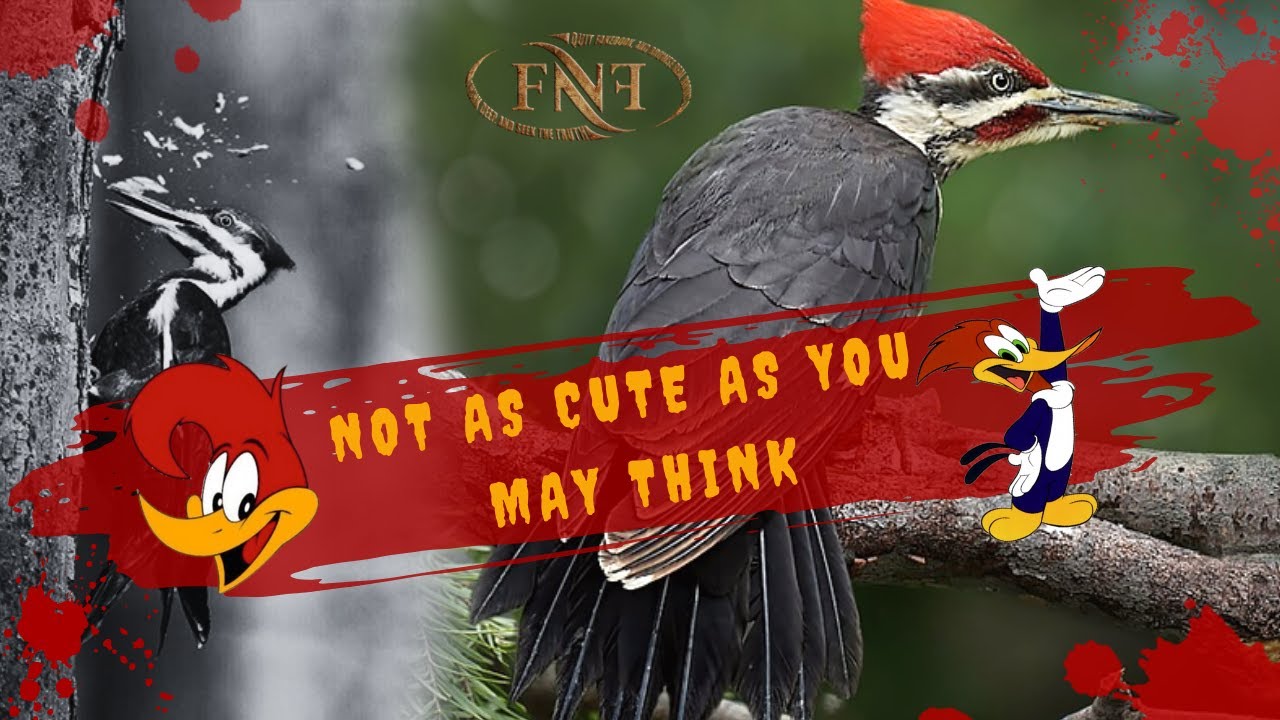
Woodpeckers strike tree trunks up to 20 times per second to find insects or hollow out nests. They hit the wood at speeds of 24 kilometers per hour (15 miles per hour). This creates a force more than 1,000 times the force of gravity. If a human hit a wall that hard, they would suffer a severe concussion or brain injury immediately. However, woodpeckers have specialized anatomy that acts like a natural helmet to keep them safe.
The Tongue Safety Belt
The most unique protection mechanism is the bird’s tongue. A woodpecker’s tongue is extremely long—often longer than its entire body. It is supported by a system of bones and muscles called the hyoid apparatus.
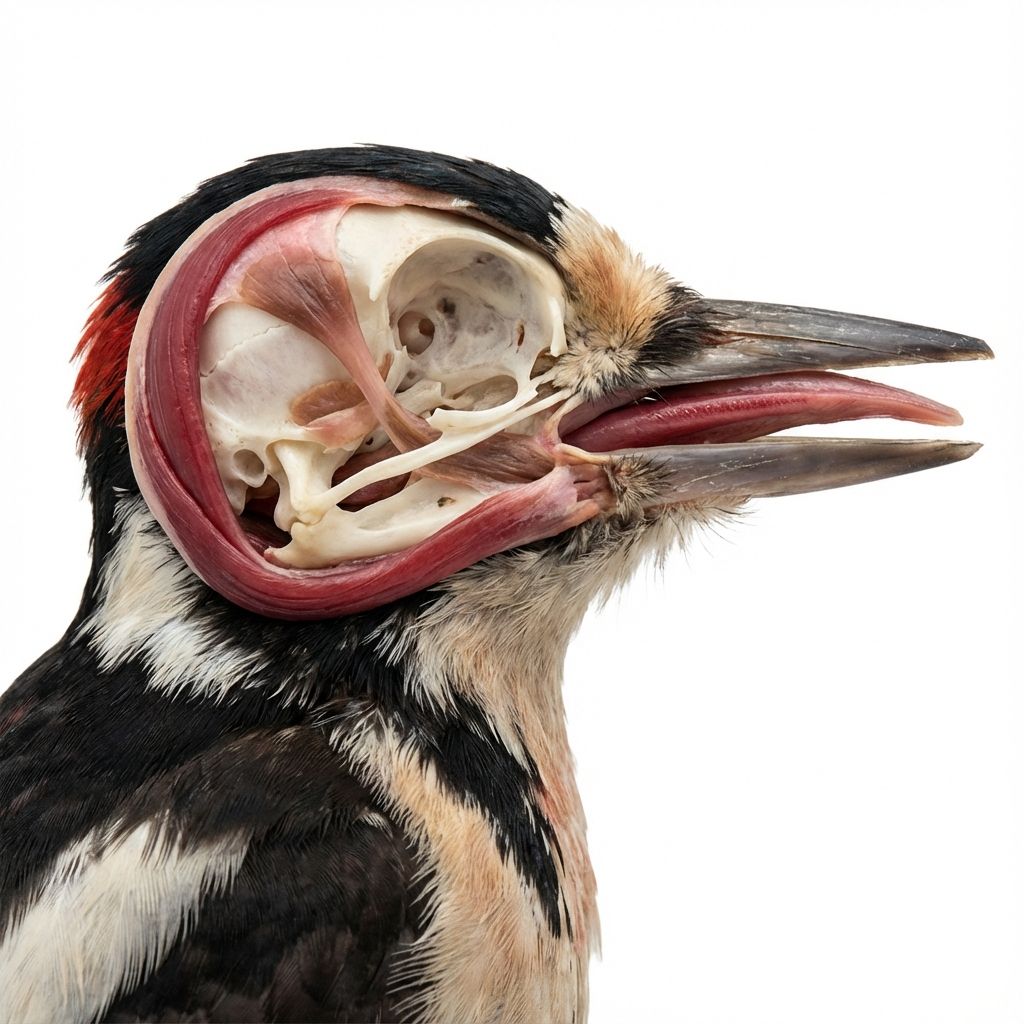
Instead of resting only in the mouth, the tongue splits and wraps around the back of the skull, goes over the top of the head, and reconnects near the right nostril. When the woodpecker pecks, muscles pull on this hyoid bone structure, tightening it around the skull. This acts like a seatbelt or a shock absorber, holding the skull together and reducing the shaking that reaches the brain.
Skull and Brain Structure
Inside the head, the bone structure is designed for heavy impact. The front part of the skull contains spongy, mesh-like bone plates. This spongy bone crushes slightly upon impact to absorb the blow, similar to the crumple zone in a car bumper.
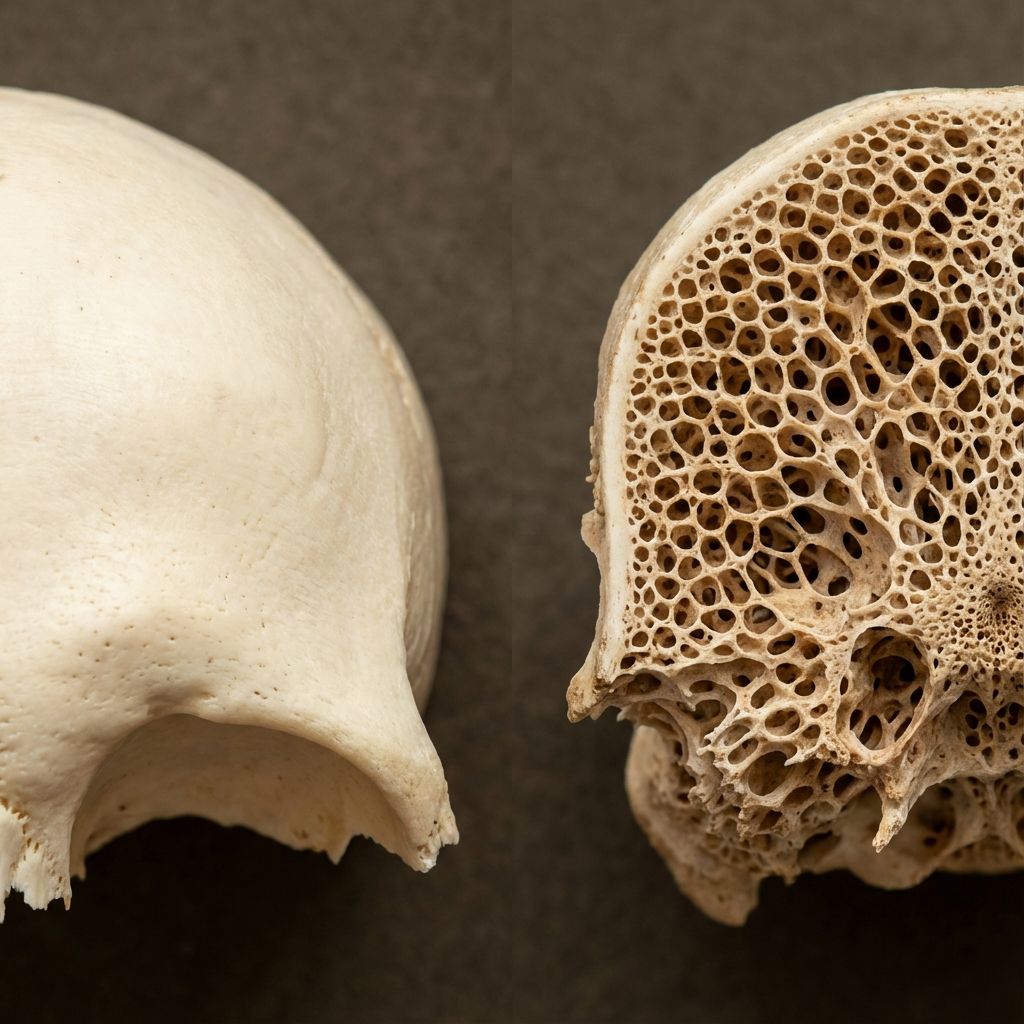
The brain itself sits differently than a human brain. Human brains float in a bath of fluid, which allows them to slosh around and bruise against the skull if the head is hit. A woodpecker’s brain is small, smooth, and packed very tightly inside the skull. There is almost no fluid and very little empty space, so the brain cannot jiggle or bounce during the drumming motion.
Beak and Eye Protection
The woodpecker’s beak is built with two layers of different lengths. The lower beak is slightly longer and stronger than the upper beak. This uneven shape helps direct the stress of the impact away from the brain and down into the strong neck muscles. Additionally, milliseconds before the beak makes contact with the wood, a thick inner eyelid (called a nictitating membrane) closes. This holds the eye firmly in place so the retina does not tear, and it shields the eye from flying wood chips.
Read Land Animals & Water Animals here or in the app
Read every story in both shelves right here on the web, or open them in Encyclopedia: Kids Learning with narration you control. The full 1,000+ topics come with the app, covering space, the human body, history and more. Ad-free, ages 5–12.