Amphibians 101
Some frogs can freeze solid in winter and thaw out in the spring, while axolotls can regrow their own brains! Dive into the double lives of the world's weirdest amphibians.
The Double Life
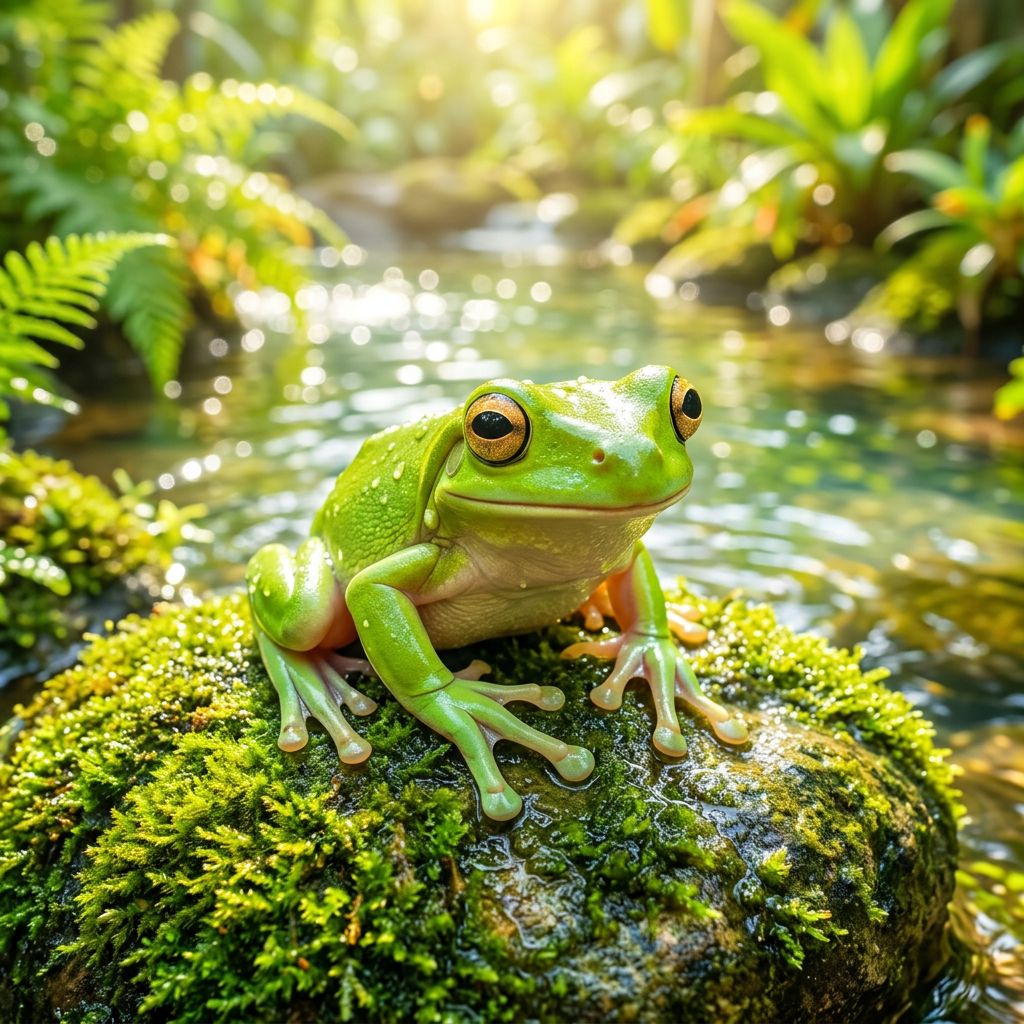
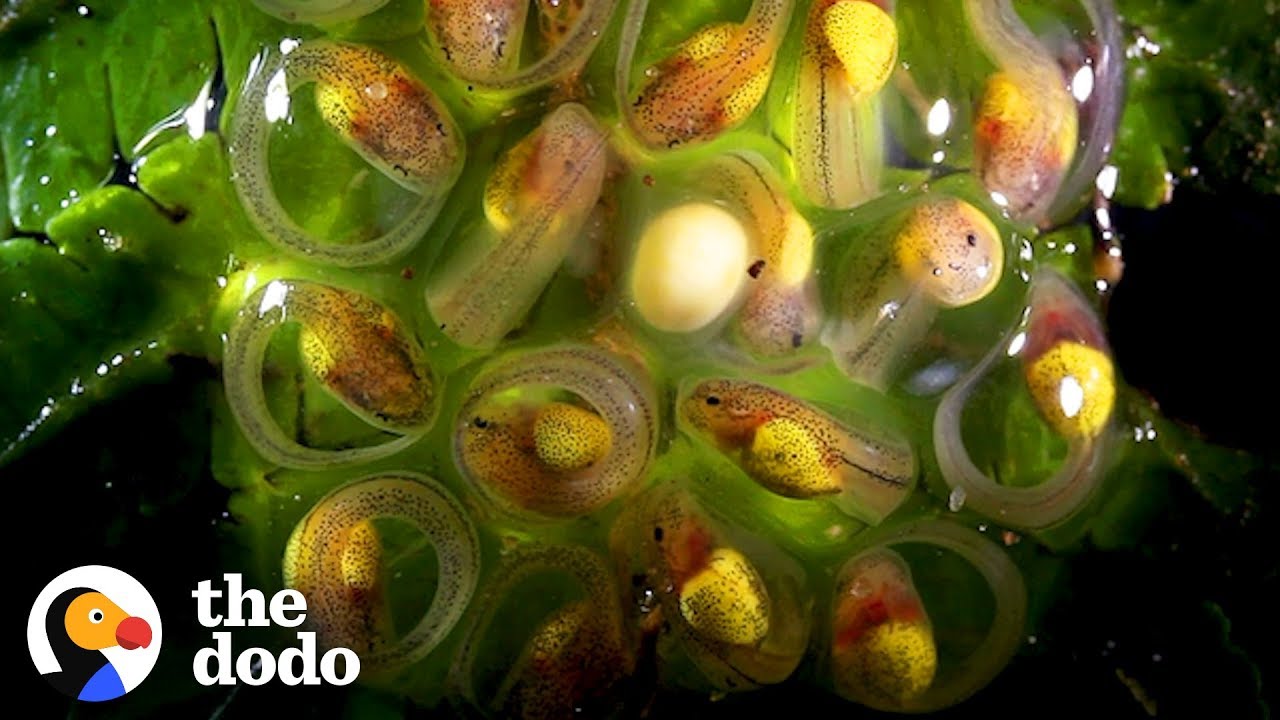
Some animals start life swimming with gills like a fish, and then completely rebuild their bodies to walk on land. That is the daily reality for amphibians. The word “amphibian” comes from a Greek term meaning “double life.” These cold-blooded animals—which include frogs, toads, salamanders, and weird, legless burrowers called caecilians—usually spend their youth in the water before transforming into land-dwelling adults. This extreme shape-shifting journey is called metamorphosis (the process of transforming from a baby to an adult).
Breathing Through Their Skin
While humans need a glass of water, a frog can just sit in a puddle. Amphibians have thin, slimy skin that is highly permeable (allowing liquids and gases to pass through easily). They do not drink water through their mouths; they absorb it directly through their skin.
Even more surprising, many amphibians do not rely on lungs to breathe. Instead, they take in oxygen straight through their wet skin. Because of this, staying wet is a matter of life and death. If an amphibian’s skin dries out, it cannot get enough oxygen to breathe. This is why you will almost always find them in damp wetlands, misty forests, or hiding under soggy logs.
The Ultimate Reset Button
Without heaters or winter coats, amphibians have developed wild ways to survive extreme environments. The wood frog, for example, survives freezing Alaskan winters by letting up to 60 percent of its body freeze solid. Its heart stops beating, its blood stops flowing, and it becomes as stiff as an ice cube. When spring arrives, the frog simply thaws from the inside out, its heart restarts, and it hops away.
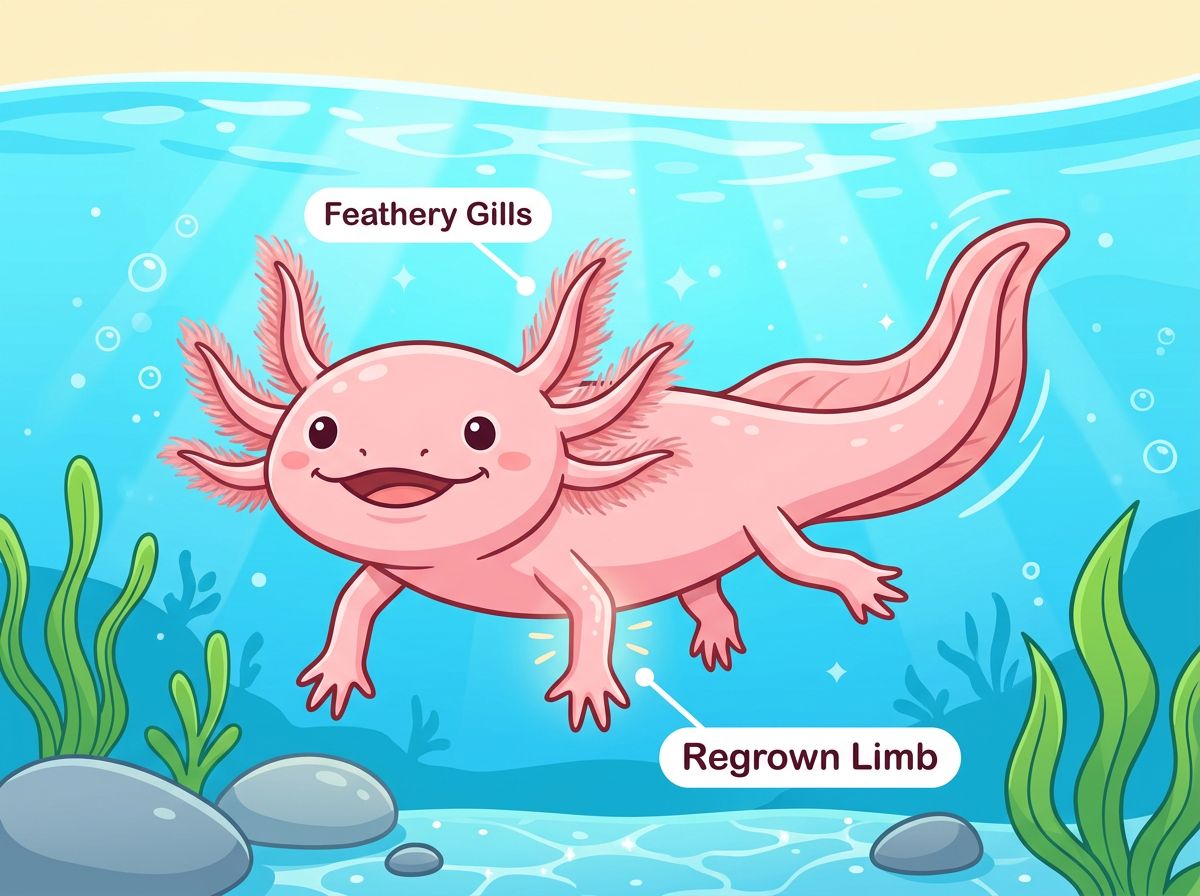
Other amphibians have the ultimate healing factor. The axolotl, a unique aquatic salamander, can fully regrow lost limbs, tails, spinal cords, and even parts of its brain and heart without leaving any scars.
Read Land Animals & Water Animals here or in the app
Read every story in both shelves right here on the web, or open them in Encyclopedia: Kids Learning with narration you control. The full 1,000+ topics come with the app, covering space, the human body, history and more. Ad-free, ages 5–12.