Why Rhino Horns Are More Valuable Than Gold
Rhino horns sell for $60,000 per pound on the black market - but they're made of the same stuff as your fingernails! Discover why poachers risk everything for keratin and how vets fight back by trimming horns themselves.
Made of Keratin
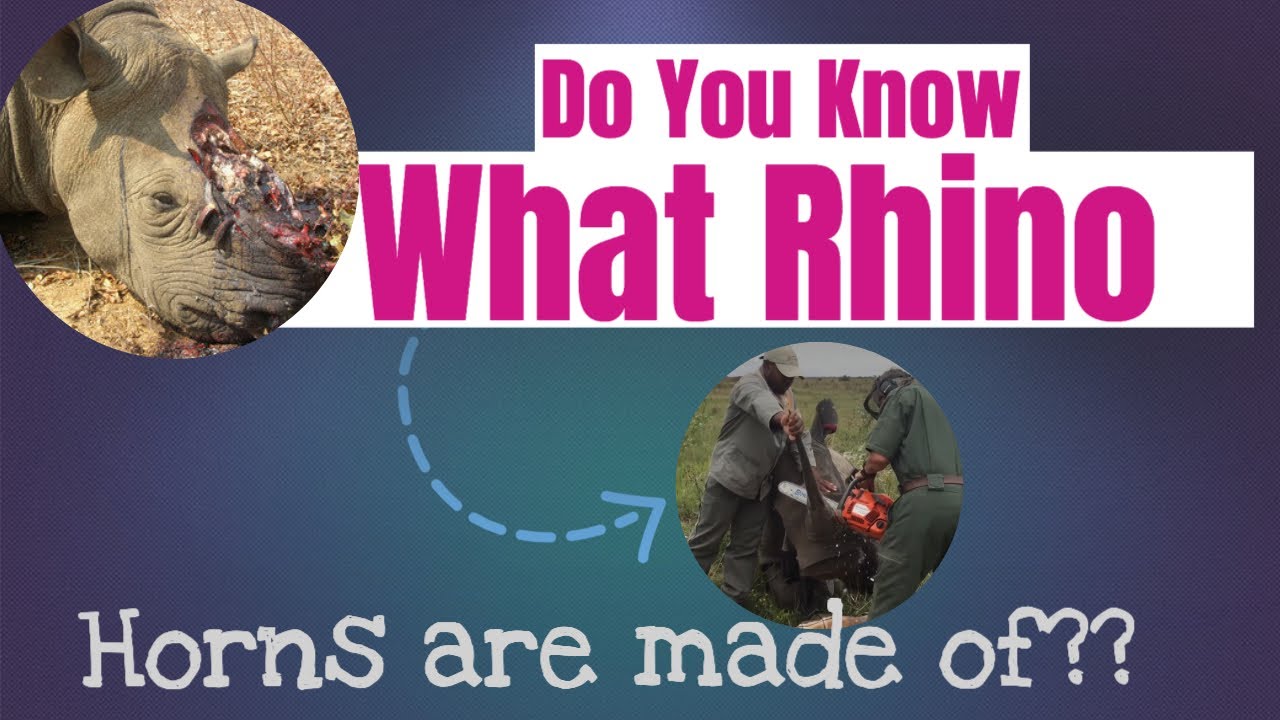
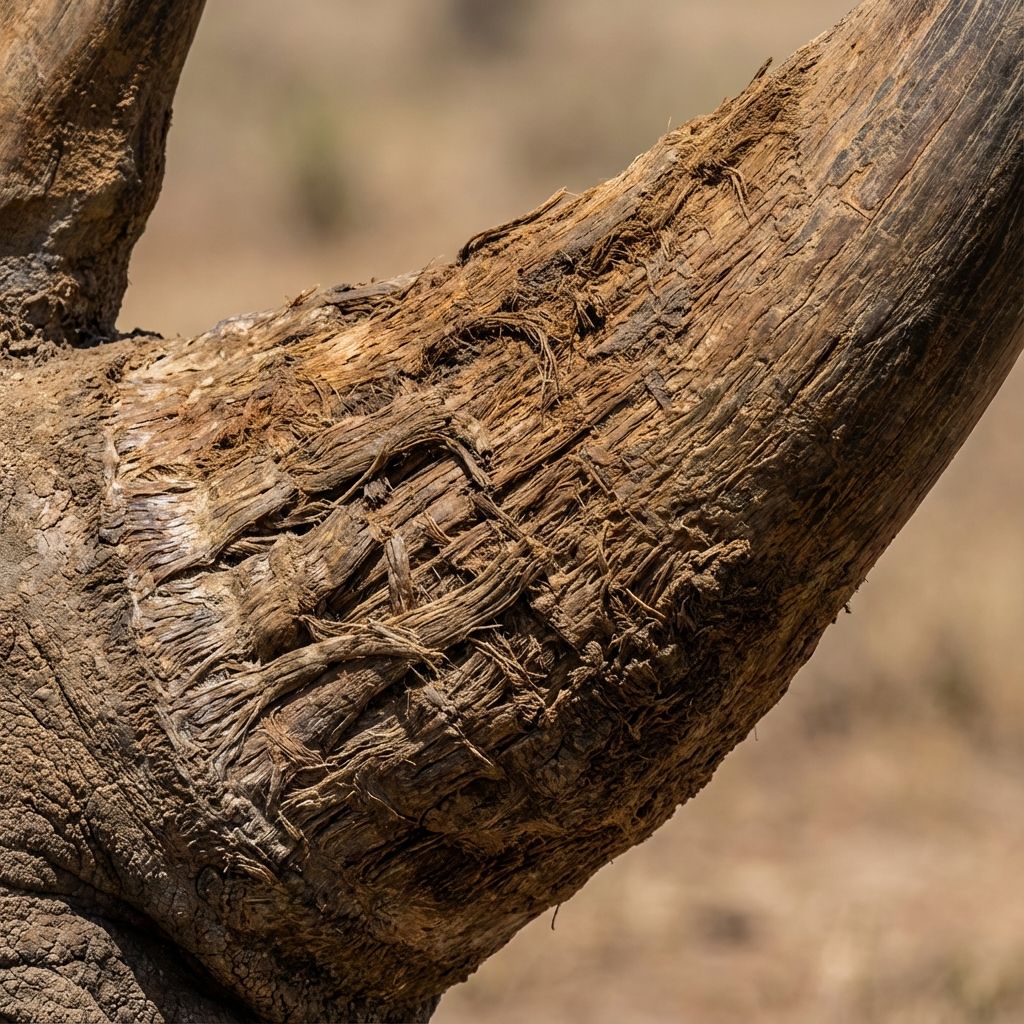
A rhinoceros horn looks like bone, but it is actually made of keratin. This is the same strong protein found in human hair and fingernails. The horn is not attached to the skull. It grows from the skin on the nose and continues to grow throughout the animal’s life. The structure is solid, not hollow. The center of the horn contains deposits of calcium and melanin, which make it harder and give it protection from the sun. If a horn breaks during a fight or accident, it can slowly grow back.
Why Are They Valuable?
Rhinoceroses are critically endangered because their horns are worth a lot of money. In some parts of Asia, people grind the horns into powder to use as traditional medicine. However, scientists have proven that rhino horn has no medical ability to cure sickness. It provides no more health benefits than chewing on fingernails. Other people buy whole horns to carve into cups or statues as symbols of wealth. Because the demand is high and rhinos are rare, the price of the horn can be higher than the price of gold.
Protection Efforts
Conservationists (people who protect nature) use several methods to save rhinos from poaching (illegal hunting). Park rangers patrol protected areas day and night to guard the herds. In some places, veterinarians safely trim the horns off wild rhinos while the animals sleep. Removing the valuable horn makes the rhino less of a target for poachers. Since the horn is made of keratin, the procedure does not hurt the animal, and the horn eventually grows back.
Read Land Animals & Water Animals here or in the app
Read every story in both shelves right here on the web, or open them in Encyclopedia: Kids Learning with narration you control. The full 1,000+ topics come with the app, covering space, the human body, history and more. Ad-free, ages 5–12.