Why Do Snakes Shed Their Skin?
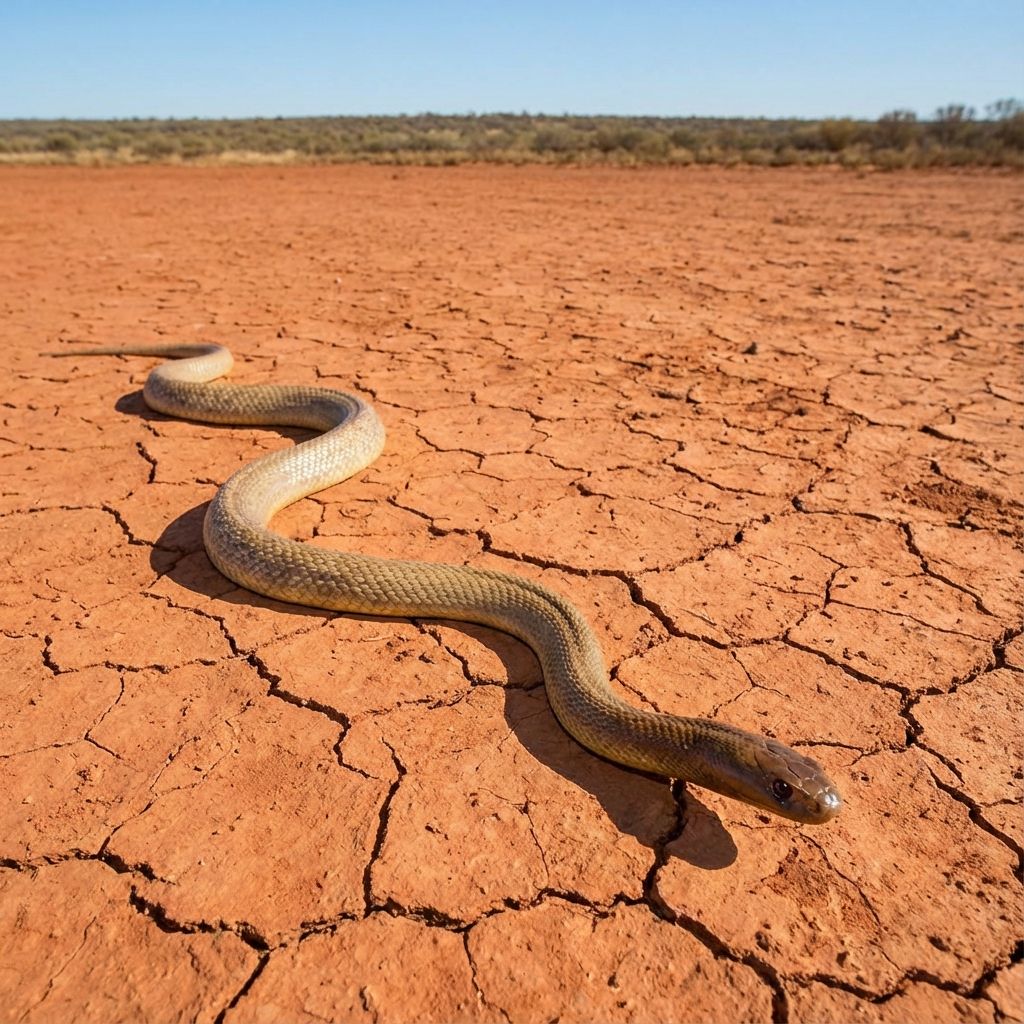
Snakes shed their entire skin like pulling off a sock because their scales can't stretch! Their forked tongue is actually for smelling - each tip detects scents separately to track prey.
Growing Room
Unlike humans, snakes are covered in dry, hard plates called scales. These scales are made of keratin, the same material as fingernails. Human skin grows and stretches as the body gets bigger, but snake scales do not stretch. As a young snake grows, its skin becomes too tight. To solve this problem, the snake must shed (molt) its entire outer layer of skin to reveal a larger, looser layer underneath. This process allows the snake to continue growing.
The Shedding Process
Shedding also helps snakes stay healthy. It removes parasites like ticks or mites that attach to the old scales. Before shedding, a snake’s eyes turn a cloudy blue color. This happens because a fluid builds up between the old skin and the new skin to separate them. The snake loses its appetite and often hides during this time because it cannot see well.
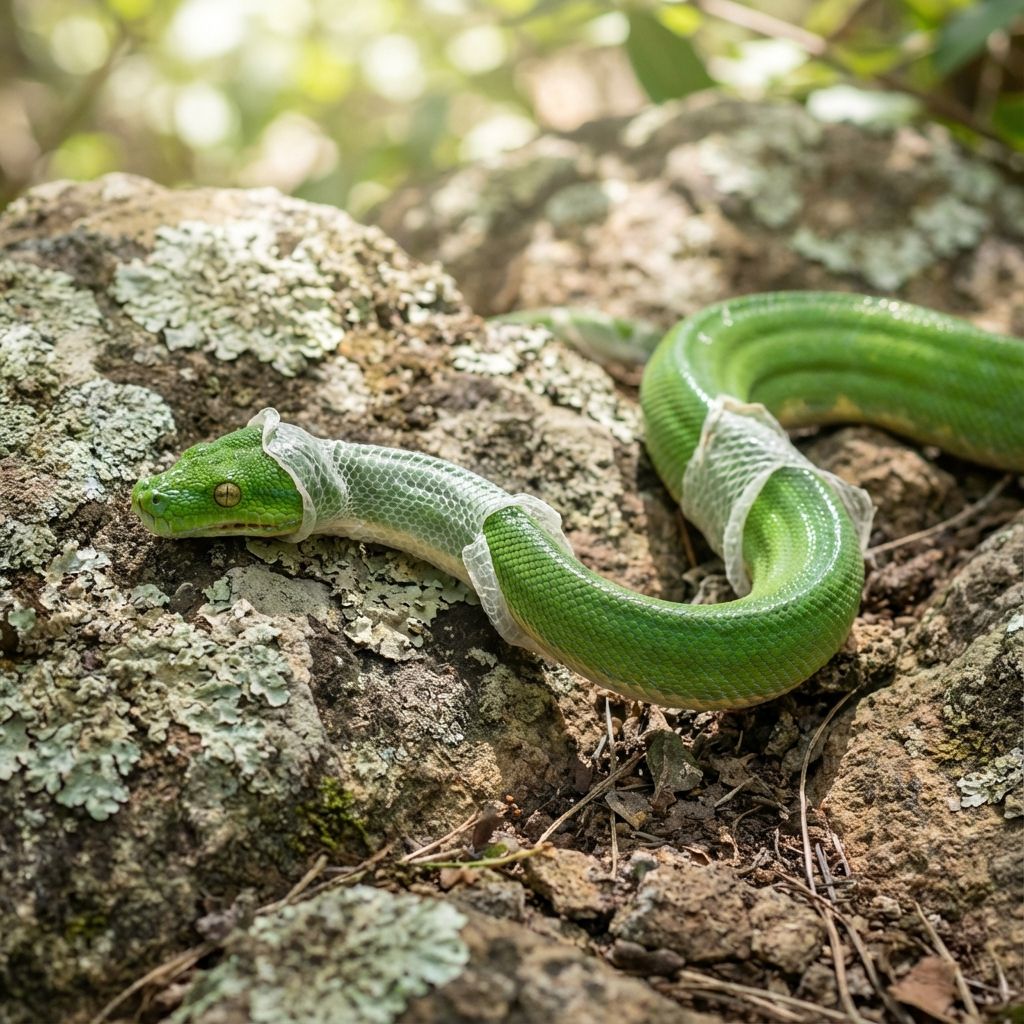
When it is ready, the snake rubs its nose against rough rocks or tree branches to break the skin near the mouth. It then crawls forward, peeling the old skin back over its body inside out, just like pulling off a sock. The discarded skin is usually left behind in one complete piece.
Smelling with a Forked Tongue
Snakes do not stick out their tongues to be scary or rude. They use their tongues to smell the world around them. While snakes have nostrils for breathing, their eyesight and hearing are often weak. The tongue is their most important tool for finding food or avoiding enemies.
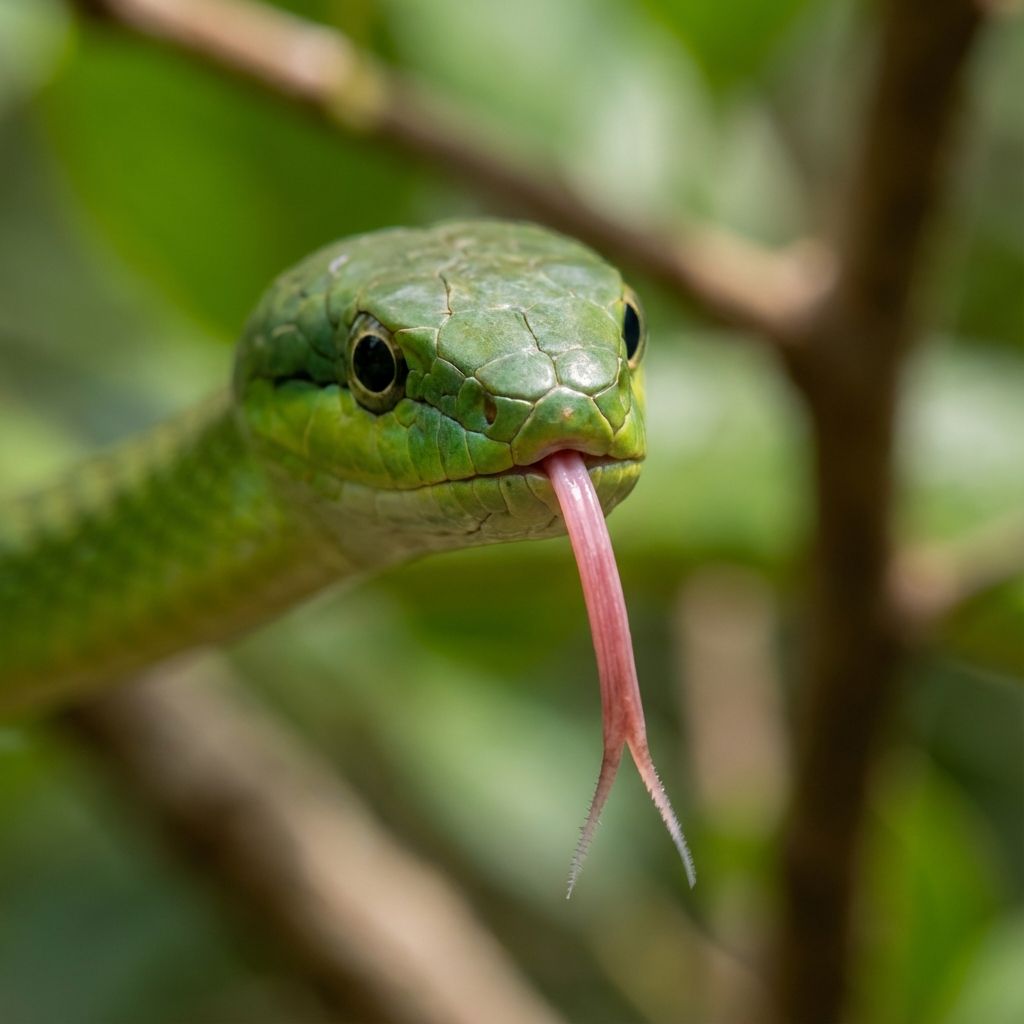
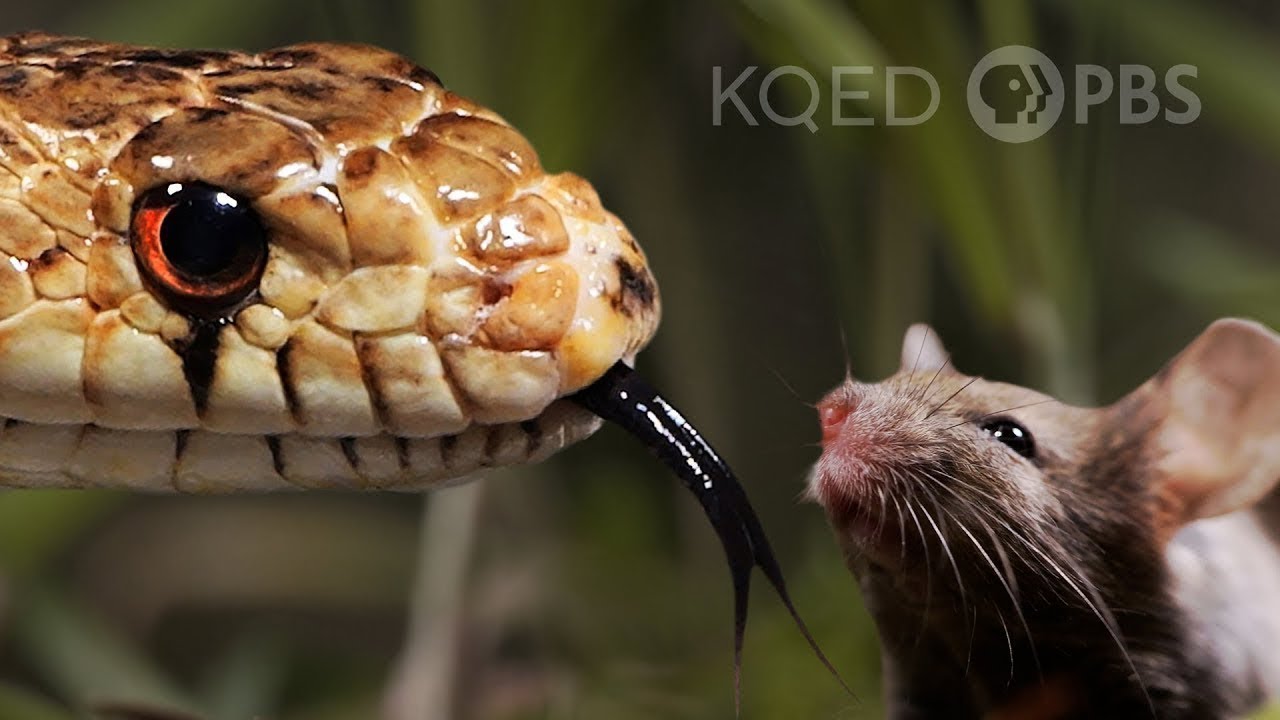
When a snake flicks its tongue, it gathers tiny scent particles from the air or ground. The snake pulls the tongue back into its mouth and presses the tips against a special spot on the roof of its mouth called the Jacobson’s organ. This organ analyzes the chemicals and tells the snake if a mouse, a predator, or another snake is nearby.
The tongue is forked (split) to help the snake tell direction. If the left tip picks up a stronger scent than the right tip, the snake knows the smell is coming from the left. This allows them to follow invisible trails very accurately.
Read Land Animals & Water Animals here or in the app
Read every story in both shelves right here on the web, or open them in Encyclopedia: Kids Learning with narration you control. The full 1,000+ topics come with the app, covering space, the human body, history and more. Ad-free, ages 5–12.