Why Do Kangaroos Have Pouches?
A newborn kangaroo is the size of a jellybean and must crawl through its mother's fur to reach the pouch! Discover how this tiny pink joey grows into a hopping machine inside nature's cozy pocket.
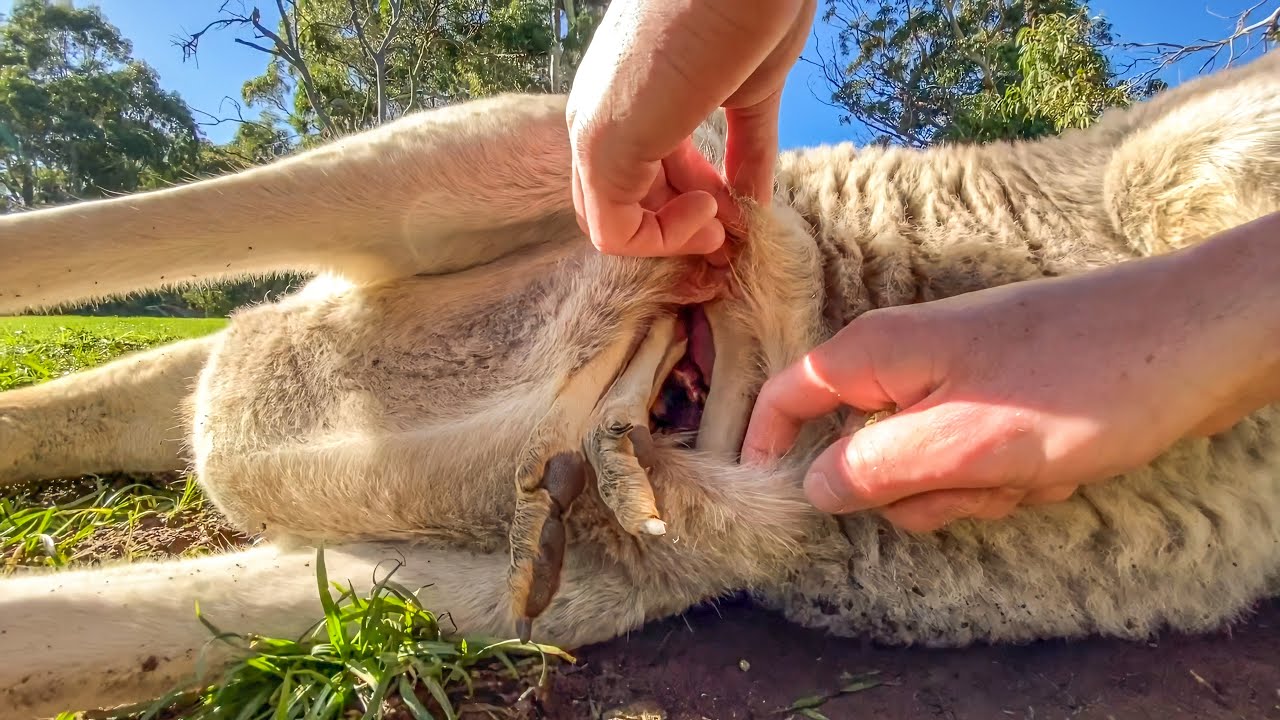
Kangaroos belong to a special group of mammals called marsupials. While most mammals grow inside their mothers for a long time, marsupial babies are born very early. A newborn kangaroo, called a joey, is born after only about one month. At this stage, it is blind, hairless, and tiny—about the size of a jellybean or a grape.
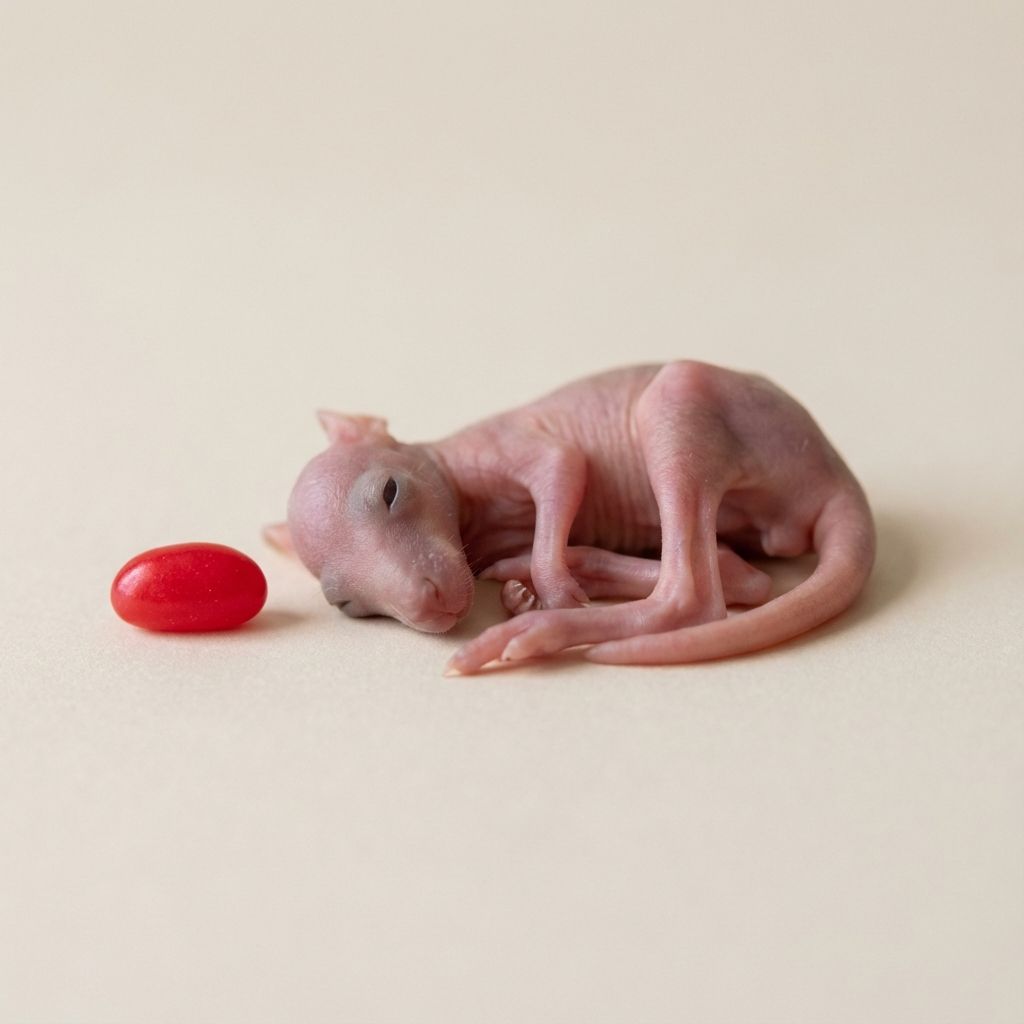
Because the joey is not ready to survive in the outside world, the pouch acts like a second womb. It provides a warm, safe place for the baby to continue growing. Immediately after birth, the tiny joey must use its front legs to crawl up the mother’s fur and into the pouch. This journey takes about three minutes. Once inside, it attaches to a teat (nipple) to drink milk and does not let go for several months.
Life Inside the Pouch
The pouch, or marsupium, is a fold of skin with a single opening. Inside, the skin is hairless and contains milk glands. The mother can tighten the muscles around the opening to keep the pouch closed. This prevents the baby from falling out while she hops at high speeds or leans over to eat grass. The pouch also stretches to fit the baby as it grows from a tiny pink creature into a furry joey.
Growing Up and Leaving
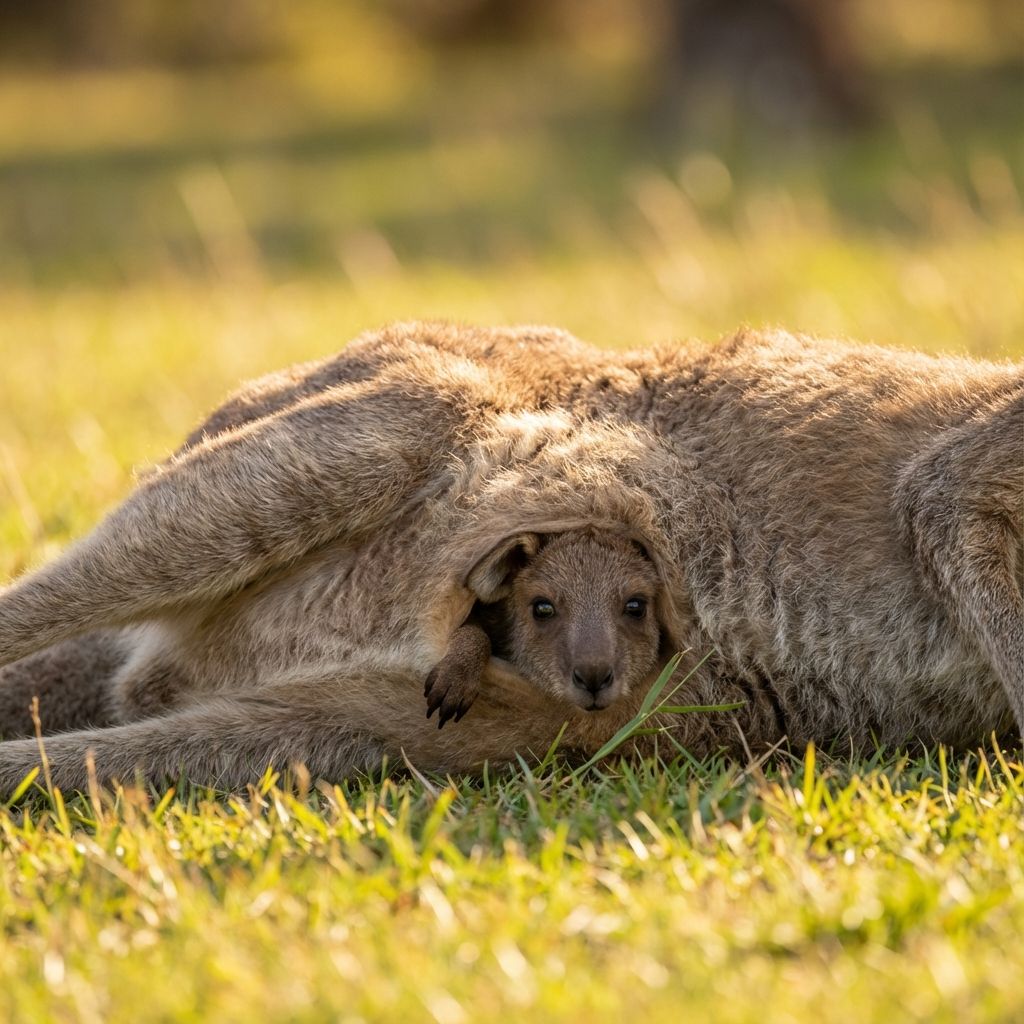
Around six months old, the joey is developed enough to peek its head out and observe the world. Soon after, it will tumble out to practice hopping and eating grass. However, the pouch remains a safety zone. If the joey senses danger, it will dive headfirst back into the pouch. The mother keeps the inside clean, as the joey goes to the bathroom inside the pouch until it is old enough to leave permanently.
Read Land Animals & Water Animals here or in the app
Read every story in both shelves right here on the web, or open them in Encyclopedia: Kids Learning with narration you control. The full 1,000+ topics come with the app, covering space, the human body, history and more. Ad-free, ages 5–12.