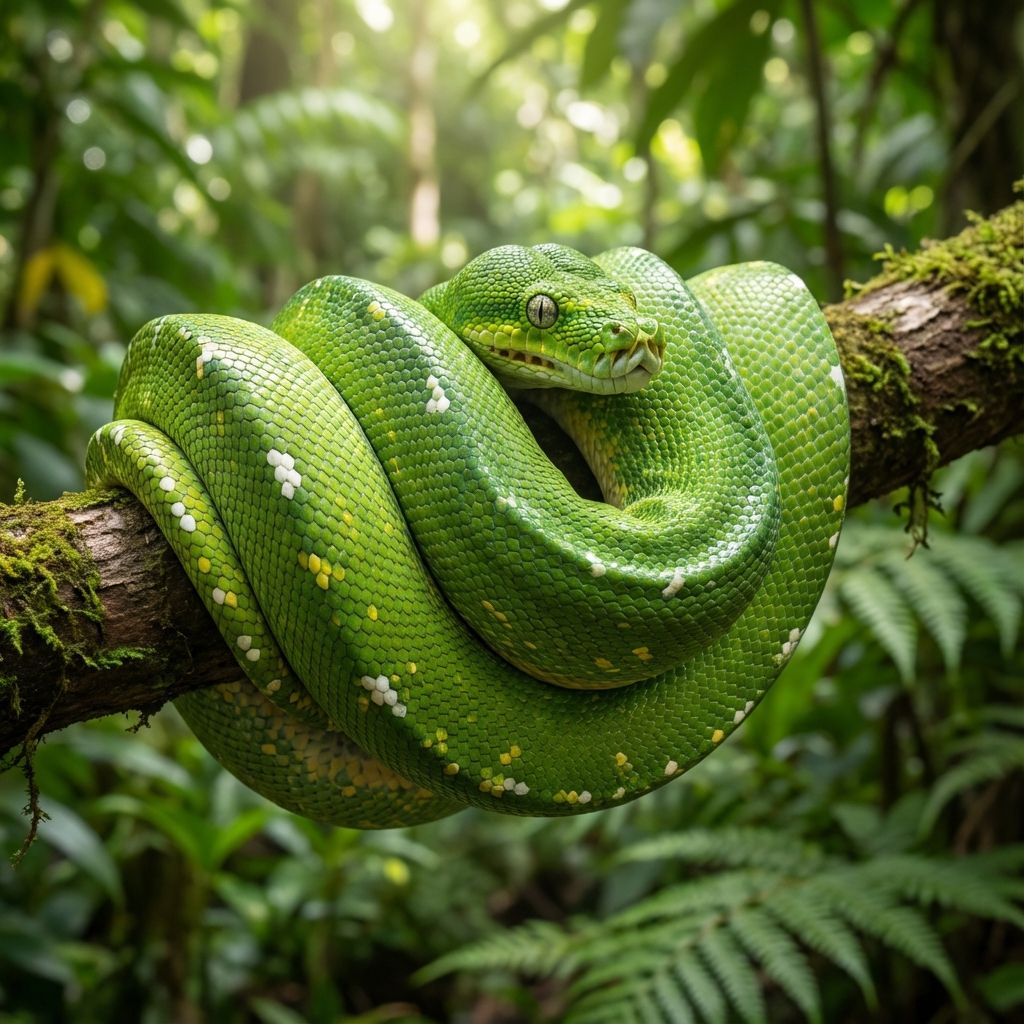
Why Can Dogs Smell Cancer?
With 300 million scent receptors (you only have 6 million!), dogs can detect a single teaspoon of sugar dissolved in two Olympic swimming pools. Discover how they can even sniff out cancer before medical tests!
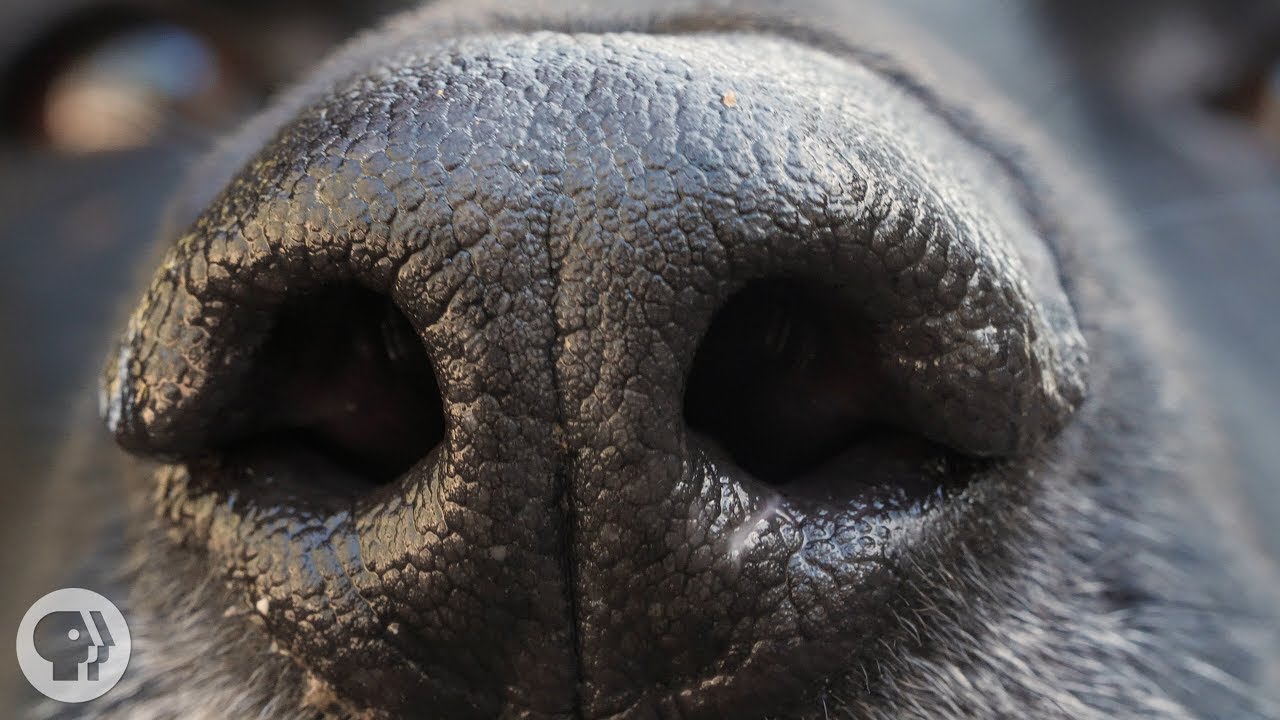
Dogs experience the world primarily through scent. While humans rely on sight, a dog reads the environment with its nose. This ability allows them to track missing people, find hidden objects, and even identify diseases like cancer in humans. The secret lies in the unique shape of their snout and the way their brain processes information.
Built for Scent
The inside of a dog’s nose is designed differently from a human’s. When a dog inhales, a fold of tissue separates the air into two paths. One path goes down to the lungs for breathing. The other path moves into a specialized area at the back of the nose filled with turbinates. These are bony, scroll-like plates covered in a thick, spongy membrane.
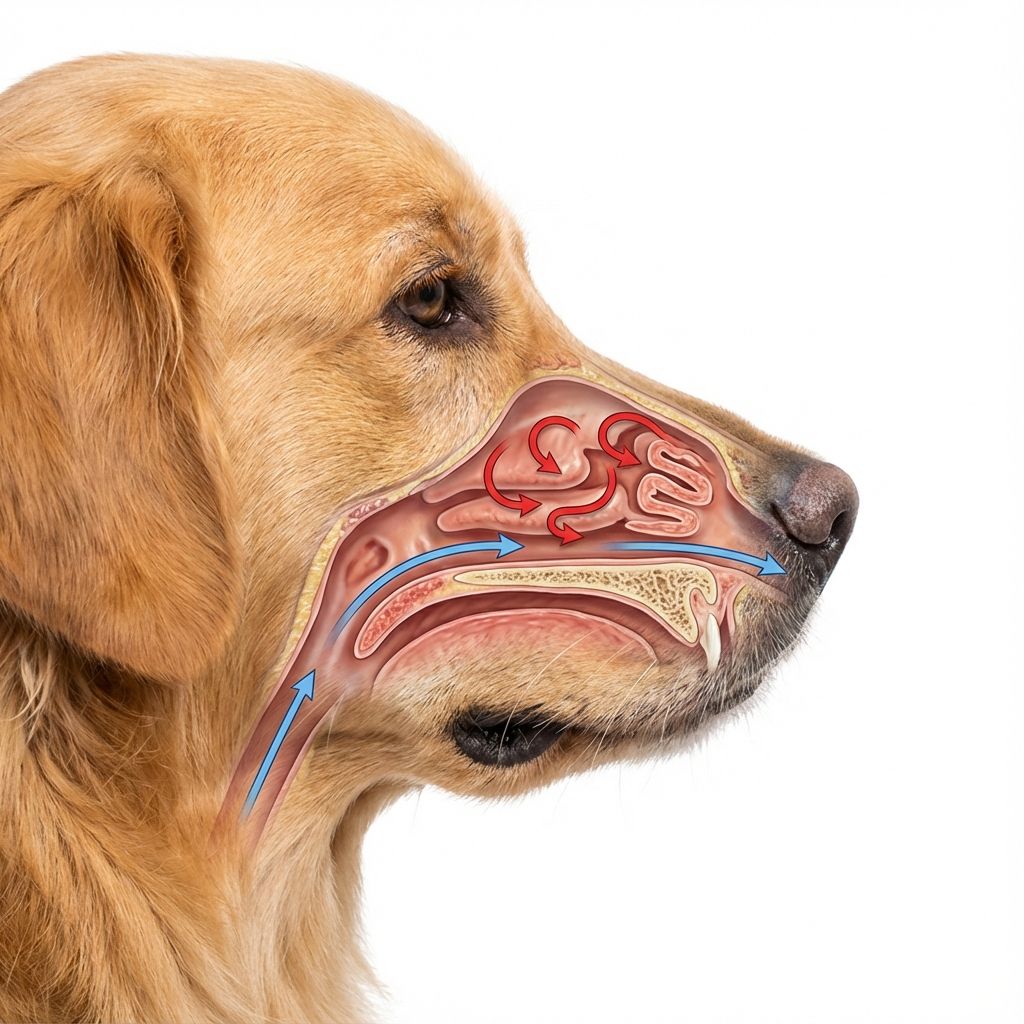
This membrane contains olfactory receptors (smell sensors). Humans have about 6 million of these receptors, but dogs can have up to 300 million. This high density allows them to detect odors at concentrations of one part per trillion. That is equivalent to tasting a single teaspoon of sugar dissolved in two Olympic-sized swimming pools.
Continuous Smelling
Dogs can smell while they breathe in and while they breathe out. When exhaling, air pushes out through the side slits of the nostrils rather than the front. This outgoing air creates small swirls of wind that help pull new scent particles into the nose. This system lets a dog sniff continuously for long periods without interruption.
The Olfactory Brain
Once the nose captures a scent, the signal travels to the brain. The part of the brain dedicated to analyzing smells is called the olfactory bulb. In dogs, this region is 40 times larger than in humans relative to total brain size. This allows dogs to remember and distinguish between complex odors distinctively.
Detecting Disease
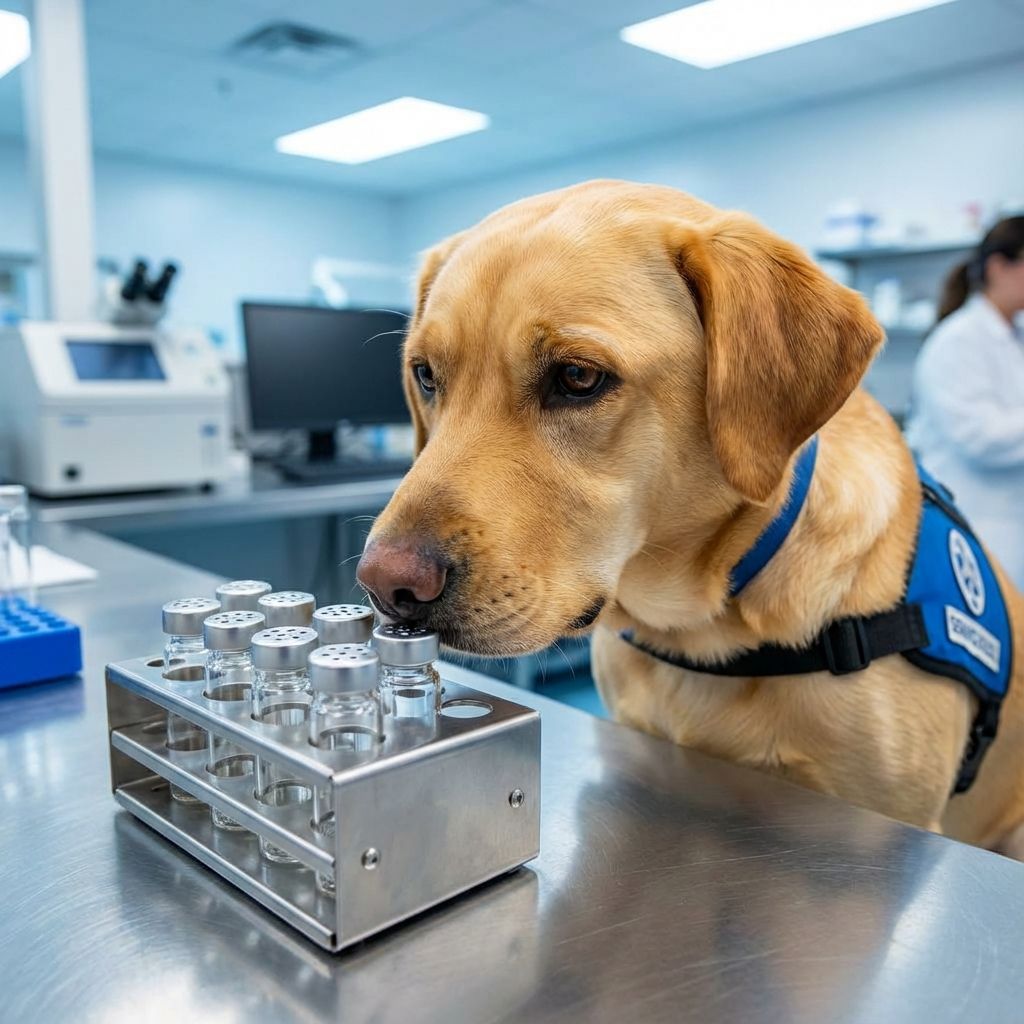
Dogs can be trained to detect cancer because diseases change the chemistry of the body. Cancerous cells grow differently than normal cells and release specific waste products called volatile organic compounds. These compounds have a faint but unique odor. By sniffing breath, skin, or urine samples, trained medical dogs can pick up on these chemical signatures, alerting doctors to the presence of cancer often before medical tests can find it.
Read Land Animals & Water Animals here or in the app
Read every story in both shelves right here on the web, or open them in Encyclopedia: Kids Learning with narration you control. The full 1,000+ topics come with the app, covering space, the human body, history and more. Ad-free, ages 5–12.