The Hummingbird Heart That Beats 1,200 Times a Minute
A hummingbird's heart beats 1,200 times per minute, and its wings can flap 200 times per second! They must eat their body weight in food daily just to survive.
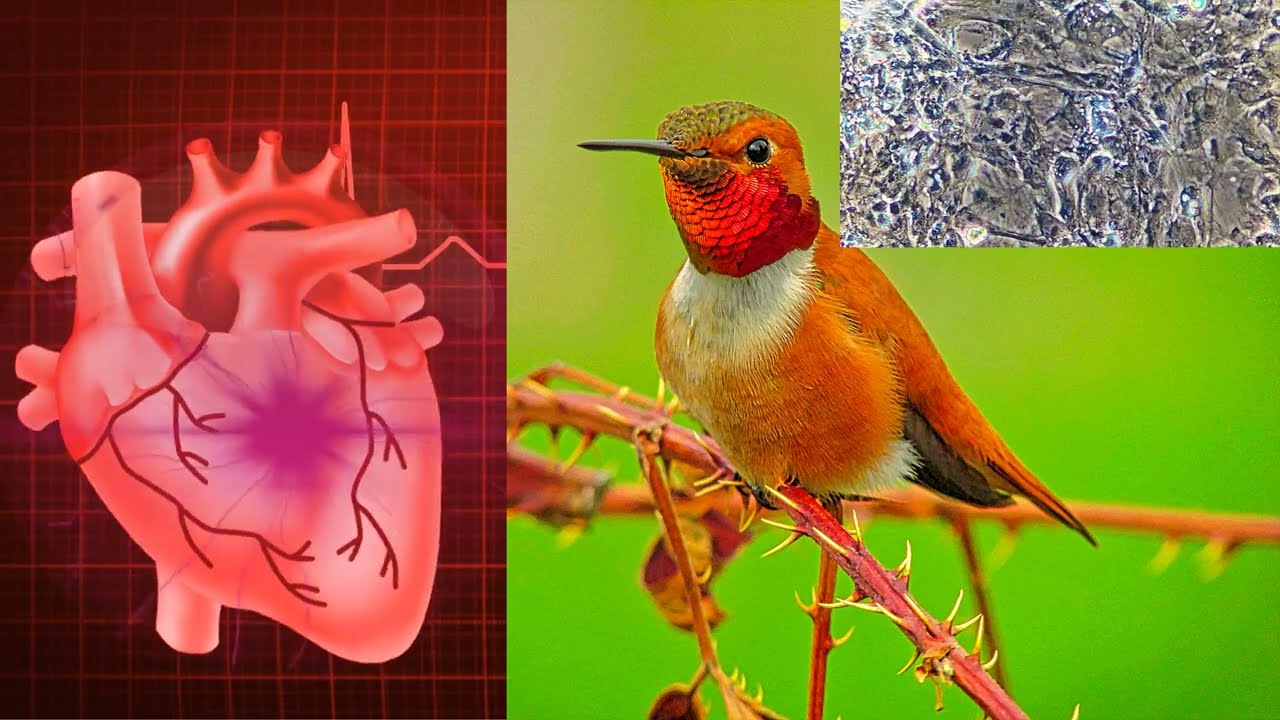
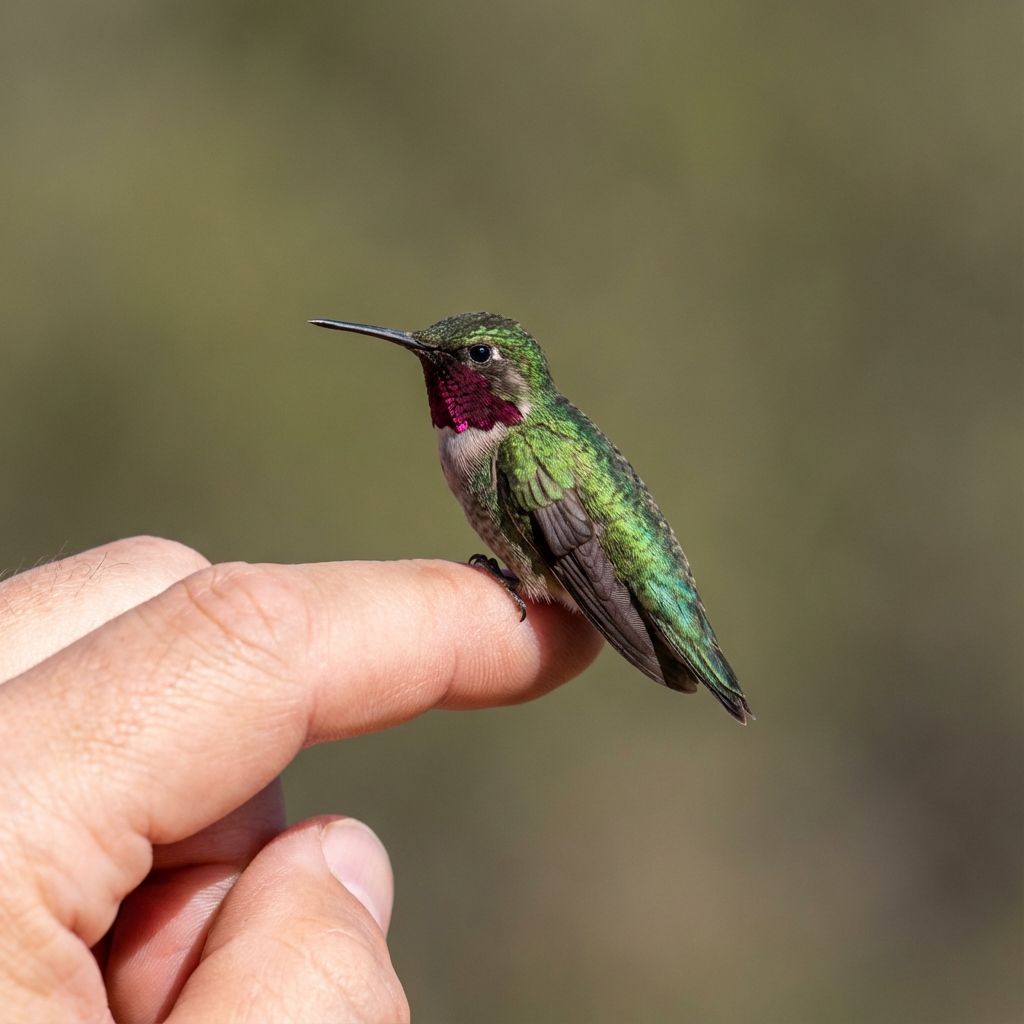
Hummingbirds are the smallest birds in the world, but they require massive amounts of energy to survive. They are famous for their ability to hover in place and fly backward, a skill no other bird possesses. To make this possible, their bodies operate at extreme speeds.
The Engine Room
A hummingbird’s heart is a powerful pump. During normal flight, it beats about 1,200 times per minute. This rapid rhythm pushes oxygen-rich blood to the flight muscles. The wings move so fast that they create a humming sound. While most hummingbirds flap their wings about 50 to 80 times per second, some species can reach over 200 beats per second during high-speed courtship dives.
Fueling the Flight
This high speed burns fuel very quickly. A hummingbird must eat its own body weight in food every single day. Their main food source is nectar, a sugary liquid found inside flowers. They use long, tube-like tongues to lick up nectar up to 13 times per second. They also catch small insects like gnats and fruit flies to get protein for muscle repair.
Sleeping to Survive
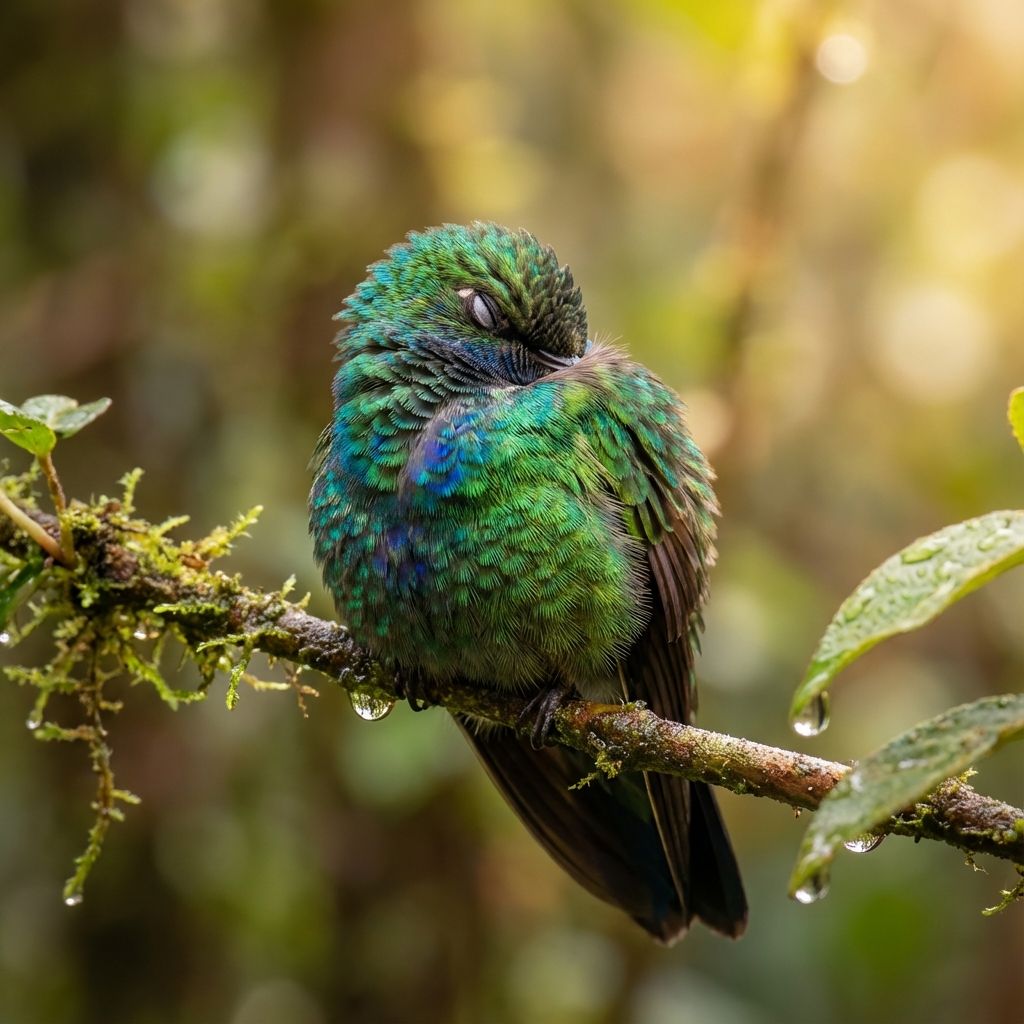
If a hummingbird kept its heart racing all night without eating, it would starve before morning. To prevent this, they enter a state called torpor (deep sleep) at night. During torpor, their body temperature drops, and their heart rate slows down to as few as 50 beats per minute. This allows them to save energy until the sun rises and they can feed again.
Read Land Animals & Water Animals here or in the app
Read every story in both shelves right here on the web, or open them in Encyclopedia: Kids Learning with narration you control. The full 1,000+ topics come with the app, covering space, the human body, history and more. Ad-free, ages 5–12.