The First New Armadillo Species Found in Decades
DNA testing revealed that one armadillo species was actually several! Learn how these 'little armored ones' can have 15 different burrows and dig through termite mounds with their powerful claws.

Scientists recently identified a new type of armadillo, changing what experts thought they knew about these armored animals. For a long time, biologists believed certain long-nosed armadillos in South America belonged to a single, widespread group. By studying DNA (the instruction code inside living cells) and closely examining the shape of their shells, researchers discovered that what looked like one species was actually several distinct ones. This discovery highlights how much of the animal kingdom remains unexplored, even among creatures we think we know well.
The Armored Body
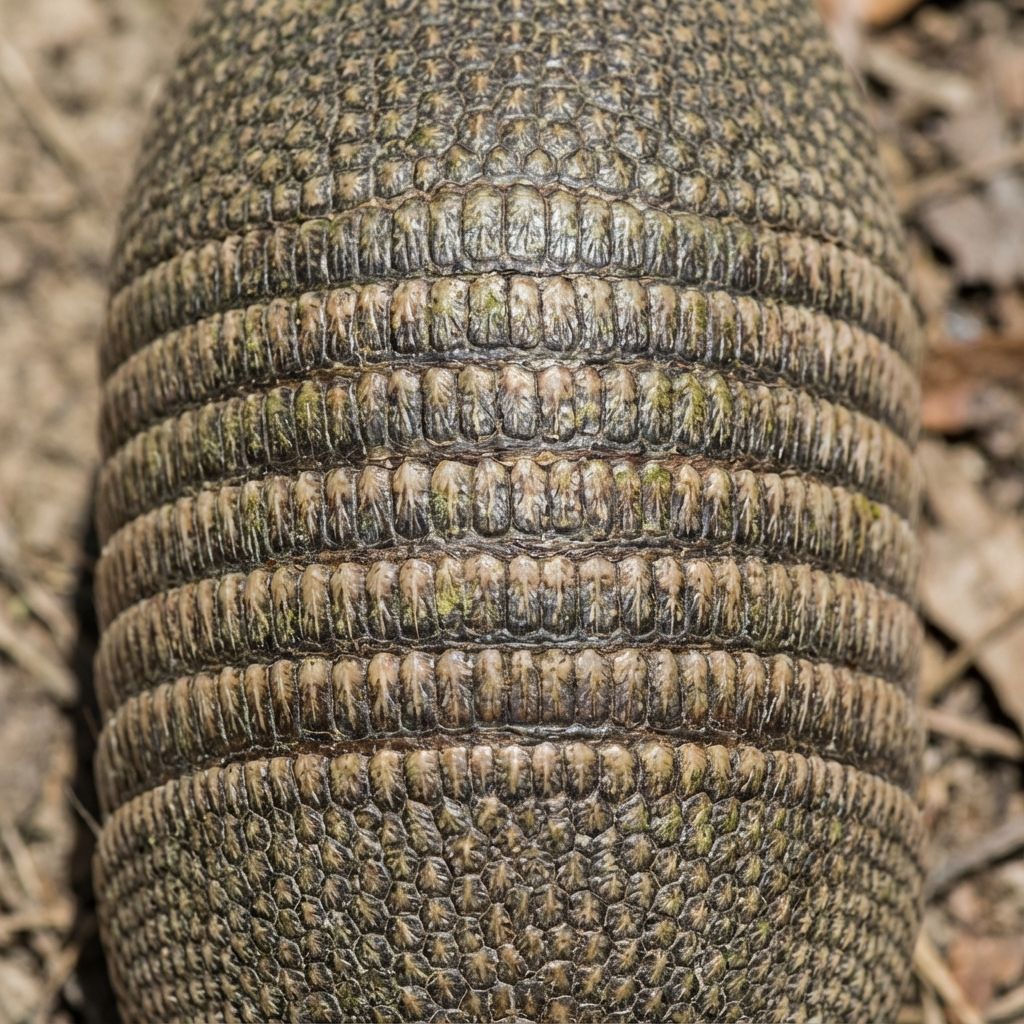
Armadillos are famous for their protective outer layer. Their name means “little armored one” in Spanish. This armor consists of bands of hard, bony plates called scutes. These plates are covered in a layer of keratin, the same material found in human fingernails. The scutes cover the head, back, legs, and tail, shielding the animal from predators and thorny bushes. Between the bands of hard armor, softer skin allows the armadillo to bend and move. Unlike cartoons, most armadillos cannot curl into a perfect ball; only the three-banded armadillo has this ability.
Digging and Senses
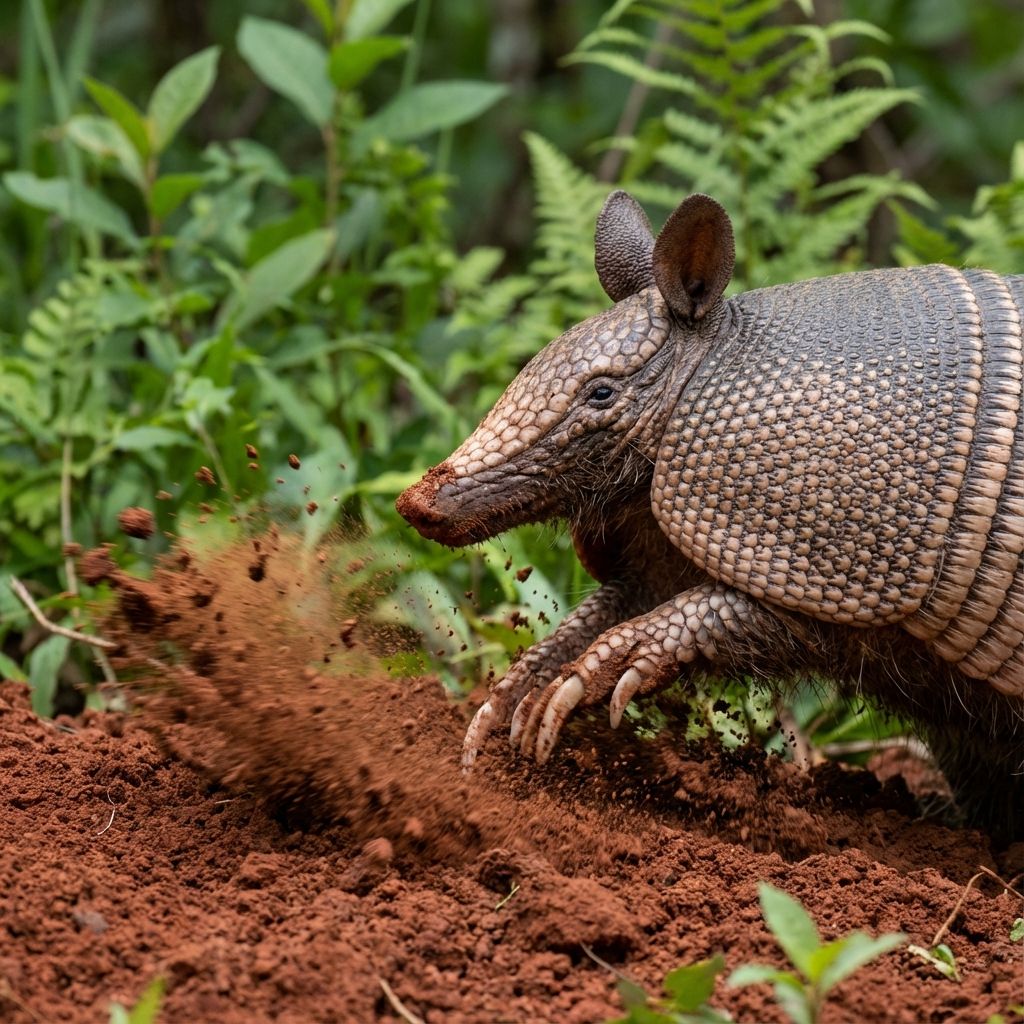
These mammals are built for digging. They have short, strong legs and long, sharp claws used to tear open termite mounds and excavate underground burrows. A single armadillo can have up to 15 different burrows in its territory. While their eyesight is poor, they rely on an excellent sense of smell to find food. They forage (search for food) mainly at dawn and dusk, sniffing out beetles, ants, termites, and grubs hidden in the soil.
Habitat and Range
The newly classified species live in the warm forests and grasslands of South America. Armadillos generally prefer areas with soft soil that is easy to dig. Because they have very little body fat and no thick fur to keep them warm, they cannot survive in places with long, freezing winters. They remain active throughout the year, constantly searching for insects to fuel their bodies.
Read Land Animals & Water Animals here or in the app
Read every story in both shelves right here on the web, or open them in Encyclopedia: Kids Learning with narration you control. The full 1,000+ topics come with the app, covering space, the human body, history and more. Ad-free, ages 5–12.