Sloths: Why Being Slow Is a Superpower
Sloths move so slowly that algae grows on their fur, turning them green! They can carry 900 beetles and moths on their body and swim three times faster than they walk. Discover why being slow is their superpower.

Energy Conservation
Sloths are tree-dwelling mammals found in the rainforests of Central and South America. They are famous for being the slowest mammals on Earth. This extreme slowness is a survival strategy to save energy. Sloths eat mostly tough, rubbery leaves that contain very few nutrients and are hard to digest. Because their diet provides so little energy, they have a very slow metabolism (the rate at which the body burns energy). It can take a sloth up to a month to digest a single meal. By moving slowly and sleeping for 15 to 20 hours a day, they conserve the energy needed to process their food.
A Living Ecosystem
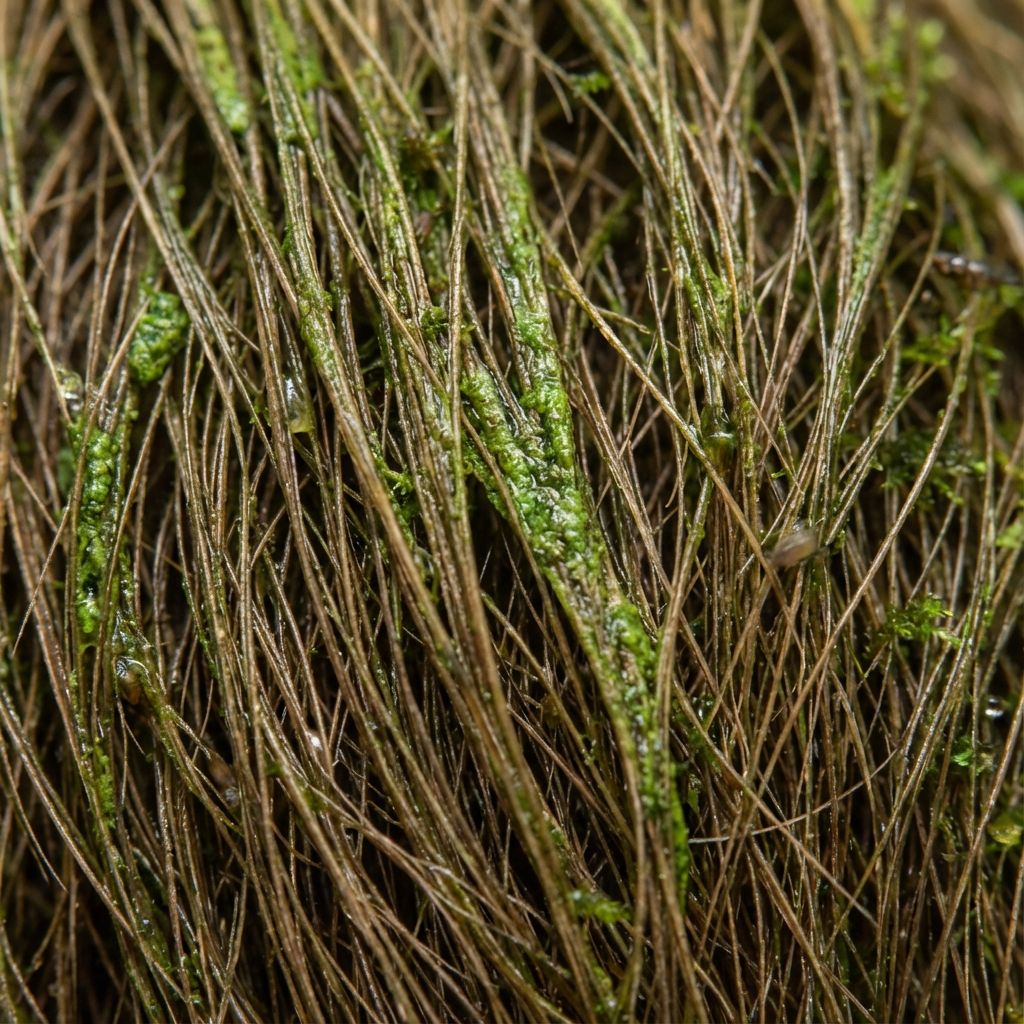
Because sloths stay still for so long, their fur becomes a habitat for other living things. In the wild, sloths often appear green. This color comes from tiny plants called algae that grow on their thick, coarse hair. This relationship helps both the sloth and the algae. The green color acts as camouflage, helping the sloth blend in with the rainforest leaves to hide from predators like harpy eagles and jaguars. In return, the algae gets a safe place to grow. The sloth’s fur is also home to beetles, cockroaches, and a specific type of moth known as the sloth moth. A single sloth can carry over 900 moths and beetles on its body at one time.
Built to Hang
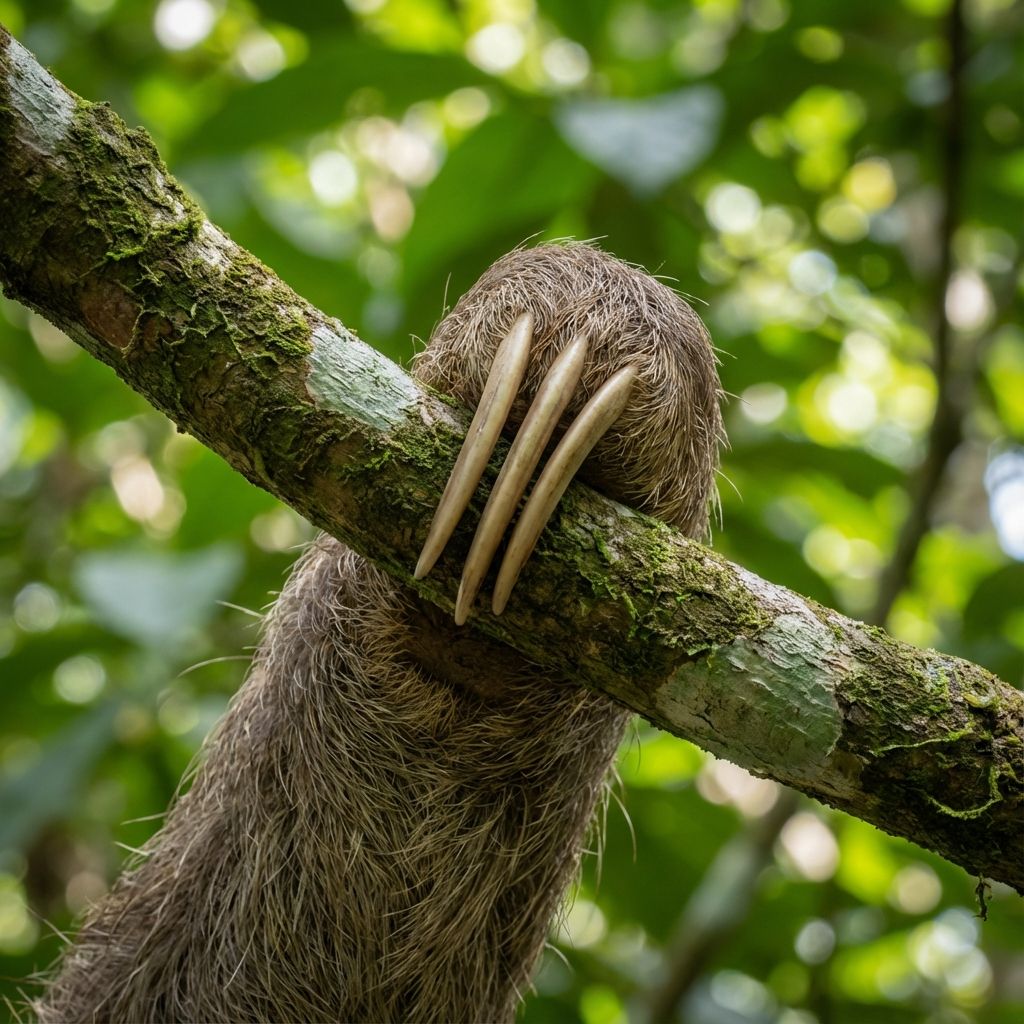
Sloth bodies are perfectly adapted for hanging upside down. Their long arms end in curved claws that are 3 to 4 inches (8 to 10 centimeters) long. These claws act like strong hooks. A sloth does not need to use muscle power to hold onto a branch; the claws lock into place, allowing the animal to hang effortlessly, even while sleeping. Their grip is so strong that sloths sometimes remain hanging from a branch even after they have died.
Movement on Land and Water
While they are graceful in the trees, sloths are clumsy on the ground. Their back legs are weak, so they must drag themselves forward using their front arms. They usually only come down from the canopy once a week to go to the bathroom. However, sloths are surprisingly good swimmers. They can drop from a branch into a river and use their long arms to do a breaststroke, moving three times faster in water than they do on land.
Read Land Animals & Water Animals here or in the app
Read every story in both shelves right here on the web, or open them in Encyclopedia: Kids Learning with narration you control. The full 1,000+ topics come with the app, covering space, the human body, history and more. Ad-free, ages 5–12.