Reptiles 101
Did you know some crocodiles can survive for months on just one meal? From seed-sized chameleons to armored giants, reptiles are the ultimate solar-powered survivors.

Solar-Powered Monsters
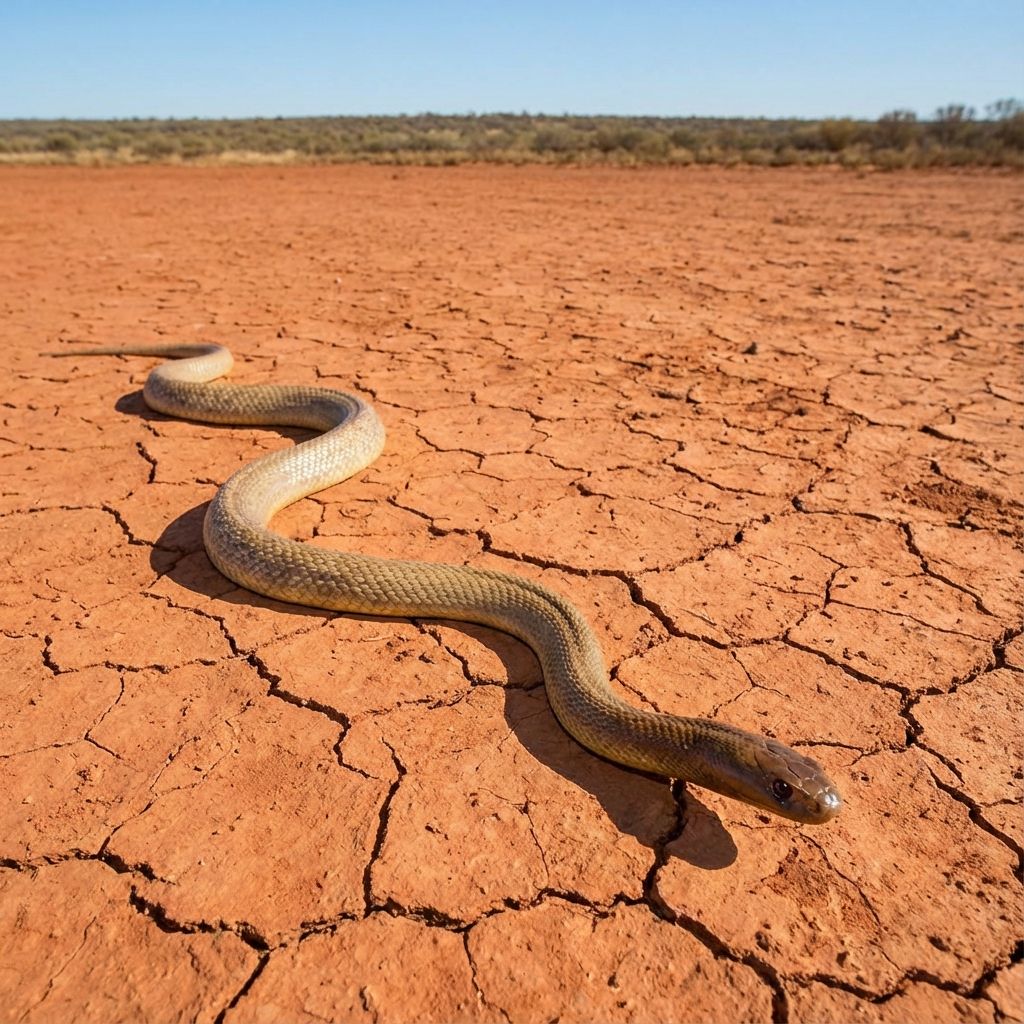
If you were a reptile, you wouldn’t be able to move your legs in the morning until you sat under a giant heat lamp. That is daily life for a reptile. Unlike humans, who generate their own body heat from the food they eat, reptiles are ectothermic (ek-toe-THER-mik). This means they rely on their environment to warm up and cool down.
A lizard does not eat a big breakfast to get energy; it parks itself on a sunny rock to charge its physical batteries. If it gets too hot, it slides into the shade. This solar-powered lifestyle is highly energy-efficient. Because they do not waste fuel keeping their bodies warm, a large crocodile can survive for months on a single heavy meal.
Built-In Space Suits
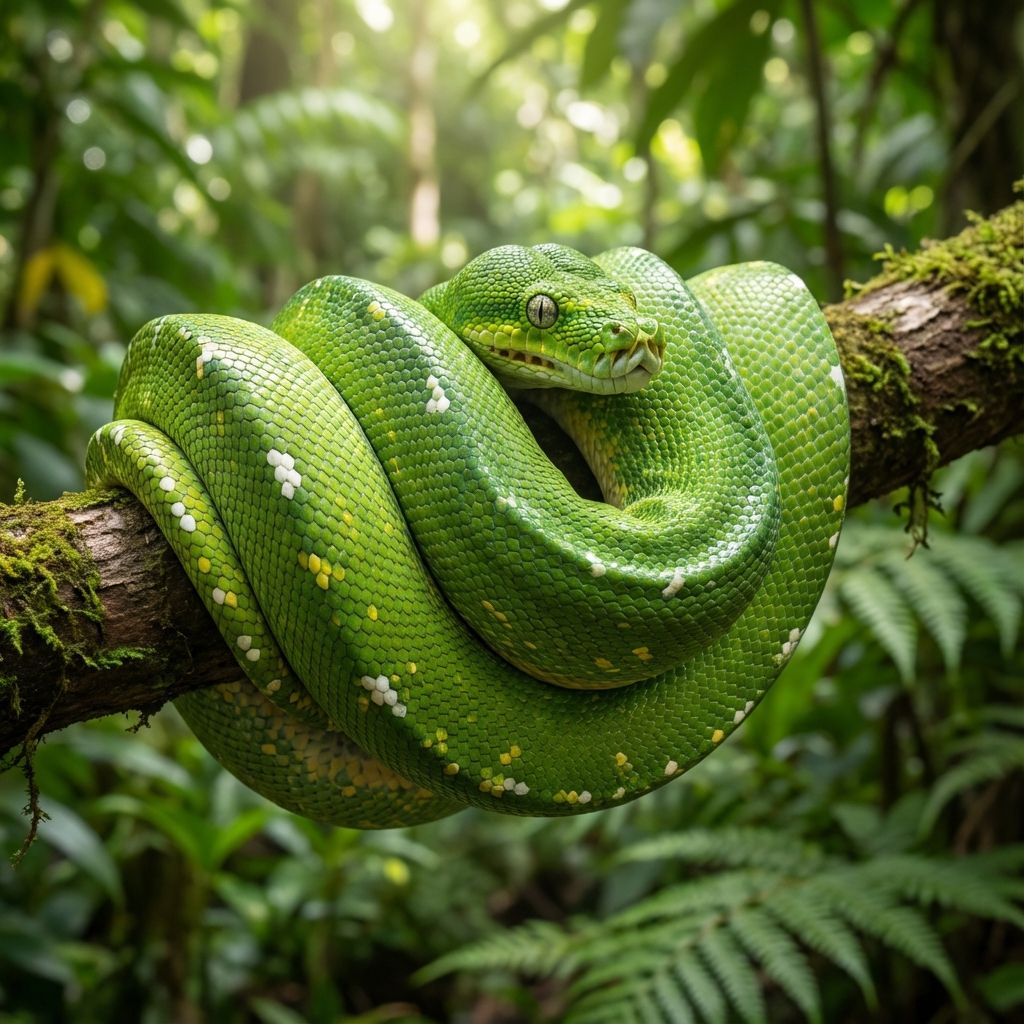
Instead of soft skin or fluffy fur, reptiles wear a suit of water-tight armor made of scales. These scales are made of keratin—the exact same tough material that makes up a rhino’s horn. This armor acts like a sealed space suit, trapping moisture inside so the animal does not dry out in baking deserts or dry forests.
Because this armor does not stretch as the animal grows, reptiles must regularly shed their old skin. Snakes slide out of their old skin in one complete piece, looking like a foot peeling out of a tight, transparent sock. Many lizards shed in patches, and some even eat their own peeled-off skin to recycle the nutrients and leave zero clues for predators.
Asteroid-Proof Armor
Reptiles have been running the planet for over 300 million years. They are so durable that ancestors of modern turtles and crocodiles survived the giant asteroid impact that wiped out the dinosaurs.
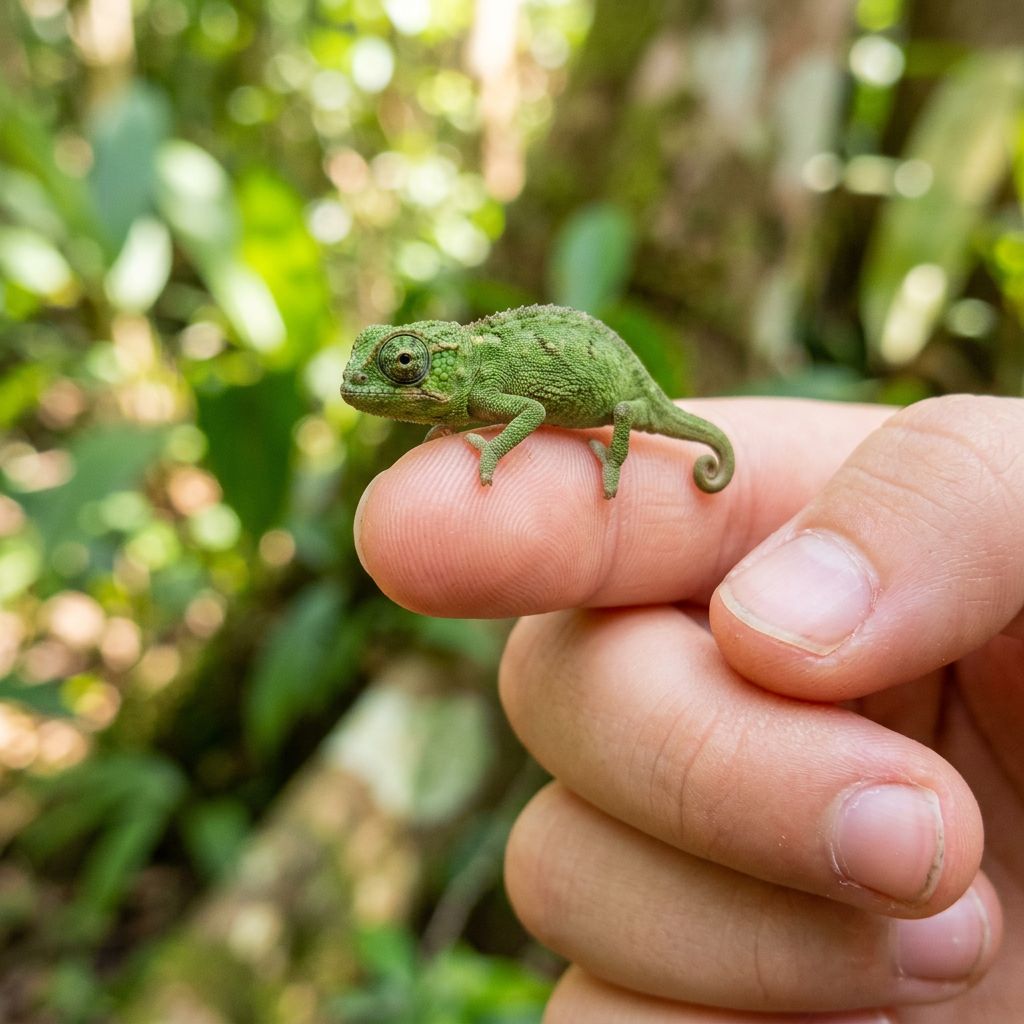
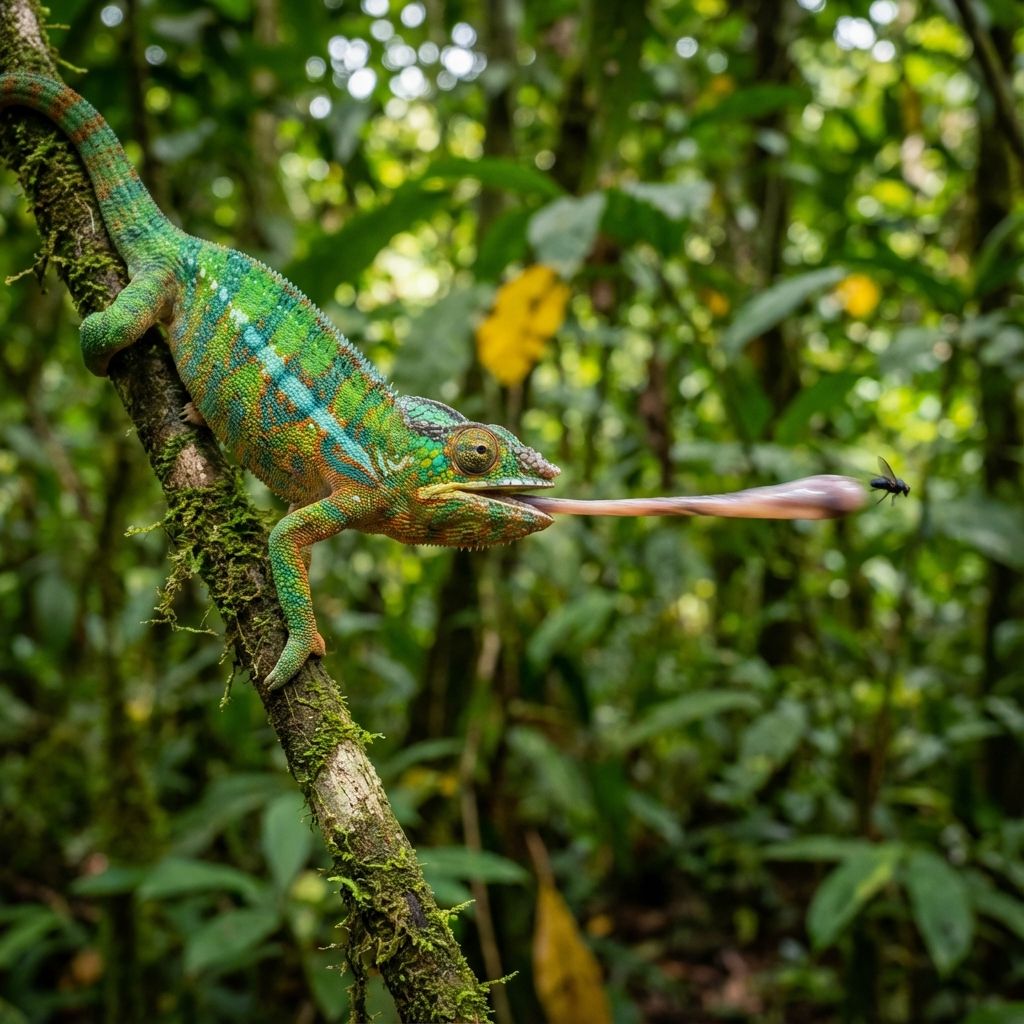
Today, they come in extreme packages. The tiny Nano-Chameleon of Madagascar is smaller than a single sunflower seed, while the saltwater crocodile can grow longer than a pickup truck and snap its jaws with the force of a hydraulic press. Whether they are gliding through tree canopy gaps like the flying dragon lizard or diving into the deep ocean like sea turtles, these ancient survivors are still finding wild ways to rule the modern world.
Read Land Animals & Water Animals here or in the app
Read every story in both shelves right here on the web, or open them in Encyclopedia: Kids Learning with narration you control. The full 1,000+ topics come with the app, covering space, the human body, history and more. Ad-free, ages 5–12.