Raccoons
Raccoons have hands that can practically see when they dip them in water, letting them feel a mental picture of their food! They can also rotate their ankles backward to climb down walls headfirst.
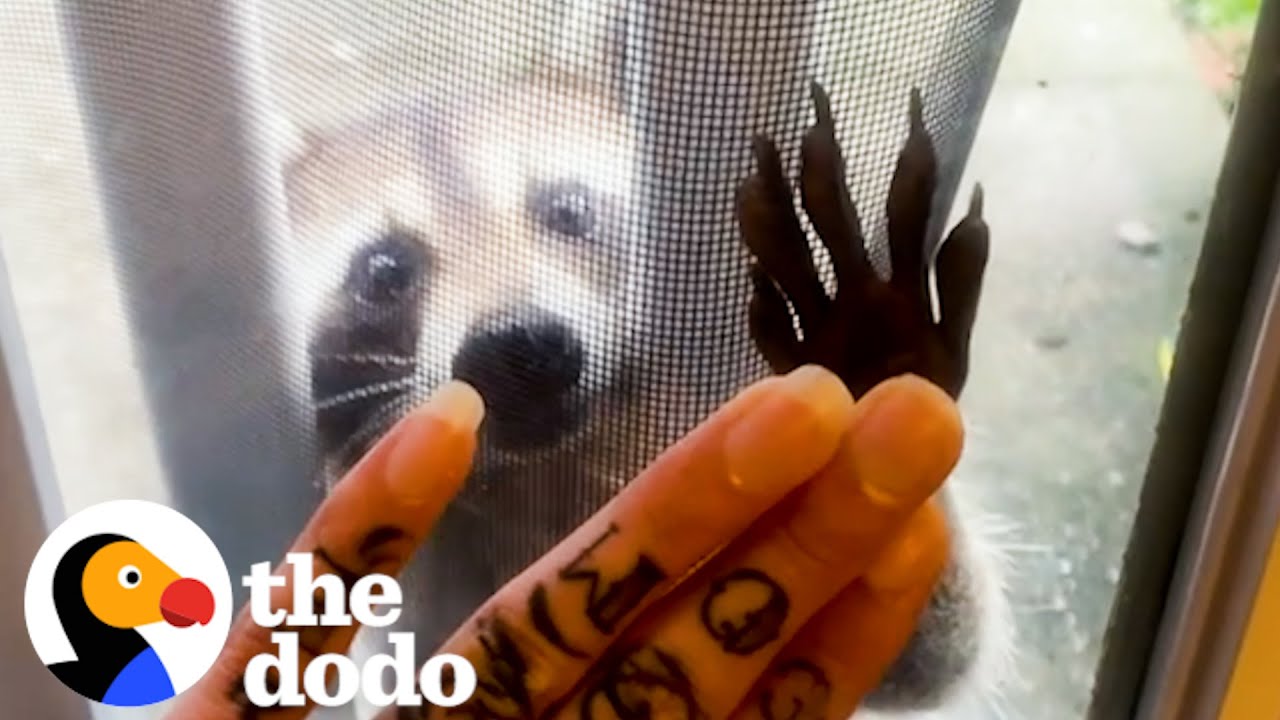
Hands That “See”
A raccoon doesn’t just touch an object—it reads it like a screen. A raccoon’s front paws are packed with four to five times more sensory receptors (nerve endings that detect touch) than most other mammals. When a raccoon dips its paws in water, the moisture softens the tough skin on its pads. This dramatically boosts its sensitivity, allowing it to “see” a picture of the object in its mind using touch alone. This is why they constantly dunk their food in water; they aren’t washing it, they are analyzing it.

Built-In Sunglasses
That famous black “bandit mask” across a raccoon’s eyes isn’t for hiding. It works exactly like the black grease-paint athletes smear under their eyes. The dark fur absorbs bright light, reducing glare from streetlights or the moon. This helps the raccoon see high-contrast shapes in the dark, giving them a distinct advantage when navigating shadowy alleyways or murky riverbanks.
Backward-Facing Ankles
Raccoons can climb down a tree—or a brick wall—headfirst. Most animals have to back down, but raccoons can swivel their hind feet completely backward. This lets their sharp claws hook into tree bark or brick walls like climbing anchors, allowing them to descend vertical surfaces face-first. This rare physical trait gives them total control, making them look like furry, gravity-defying acrobats.

Urban Locksmiths
If you secure your trash can with a latch, a raccoon will likely treat it like a puzzle game. In laboratory tests, these masked mammals cracked complex mechanical locks in fewer than ten tries, and they remembered how to open them three years later. Their brains are highly adapted for problem-solving. While they once nested strictly in hollow trees, they now use their flexible collarbones and lock-picking skills to turn chimneys, attics, and sewers into cozy, warm apartments.
Read Land Animals & Water Animals here or in the app
Read every story in both shelves right here on the web, or open them in Encyclopedia: Kids Learning with narration you control. The full 1,000+ topics come with the app, covering space, the human body, history and more. Ad-free, ages 5–12.