Kangaroo Rat: The Animal That Never Drinks Water
Kangaroo rats create their own water by digesting seeds - they never need to drink! Their super-kidneys produce paste instead of liquid, and they can leap 9 feet to escape snakes.

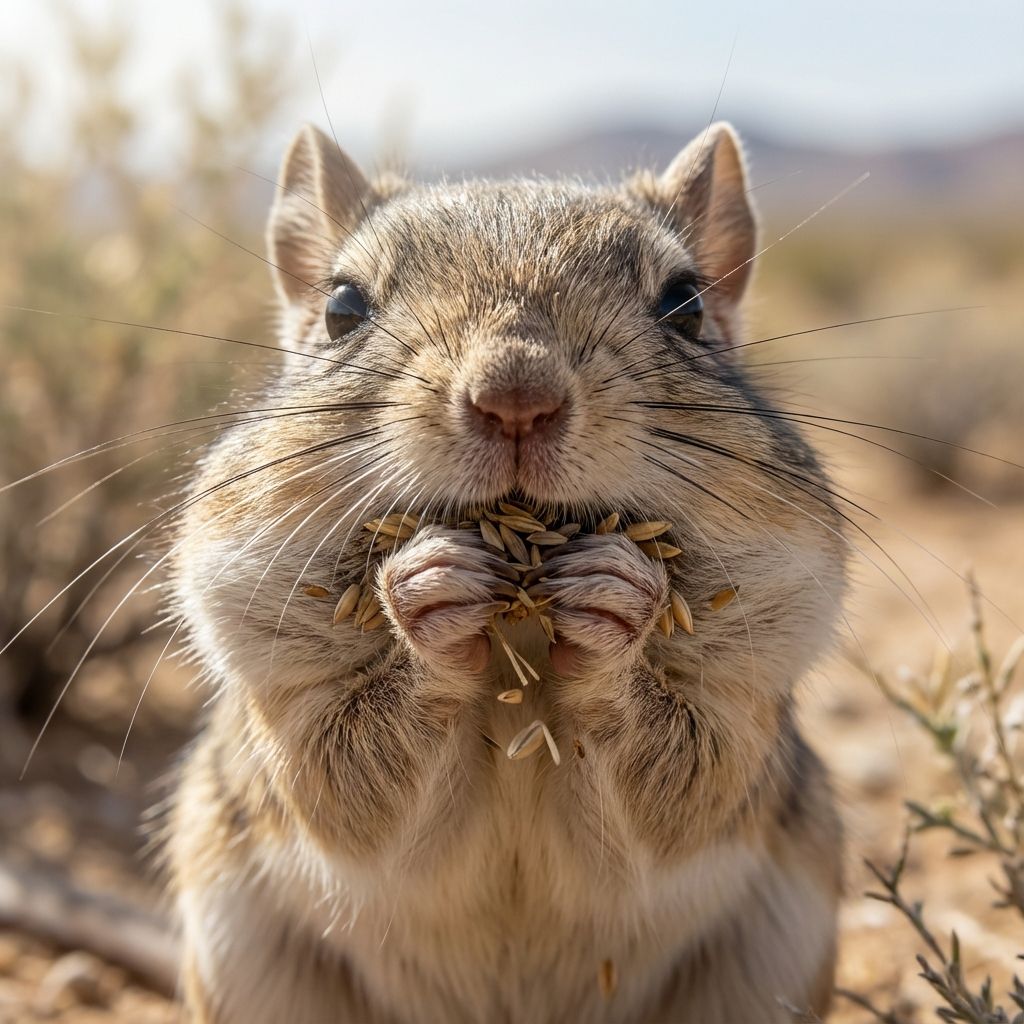
Kangaroo rats are small rodents found in the hot, dry deserts of North America. While most animals must drink fresh water to stay alive, the kangaroo rat has adapted to survive its entire life without ever taking a sip of liquid water. They obtain all the moisture they need directly from their food.
Creating Water from Seeds
The main diet of a kangaroo rat consists of dry seeds from desert grasses and mesquite bushes. When the rat eats these seeds, its body digests them to create energy. During this digestion, a chemical process occurs that produces water as a byproduct. This is called metabolic water. One gram of seeds can produce half a gram of water, which is enough to keep the animal healthy.
Conserving Moisture
Because water is so scarce, the kangaroo rat’s body is designed to save every drop. Its kidneys are extremely efficient, about four times more powerful than human kidneys. This allows the animal to produce urine that is thick and pasty rather than liquid. They also have dry droppings and do not sweat. Special passages in their nose cool down the air they breathe out, trapping moisture inside the body before it can escape into the dry air.
Underground Living
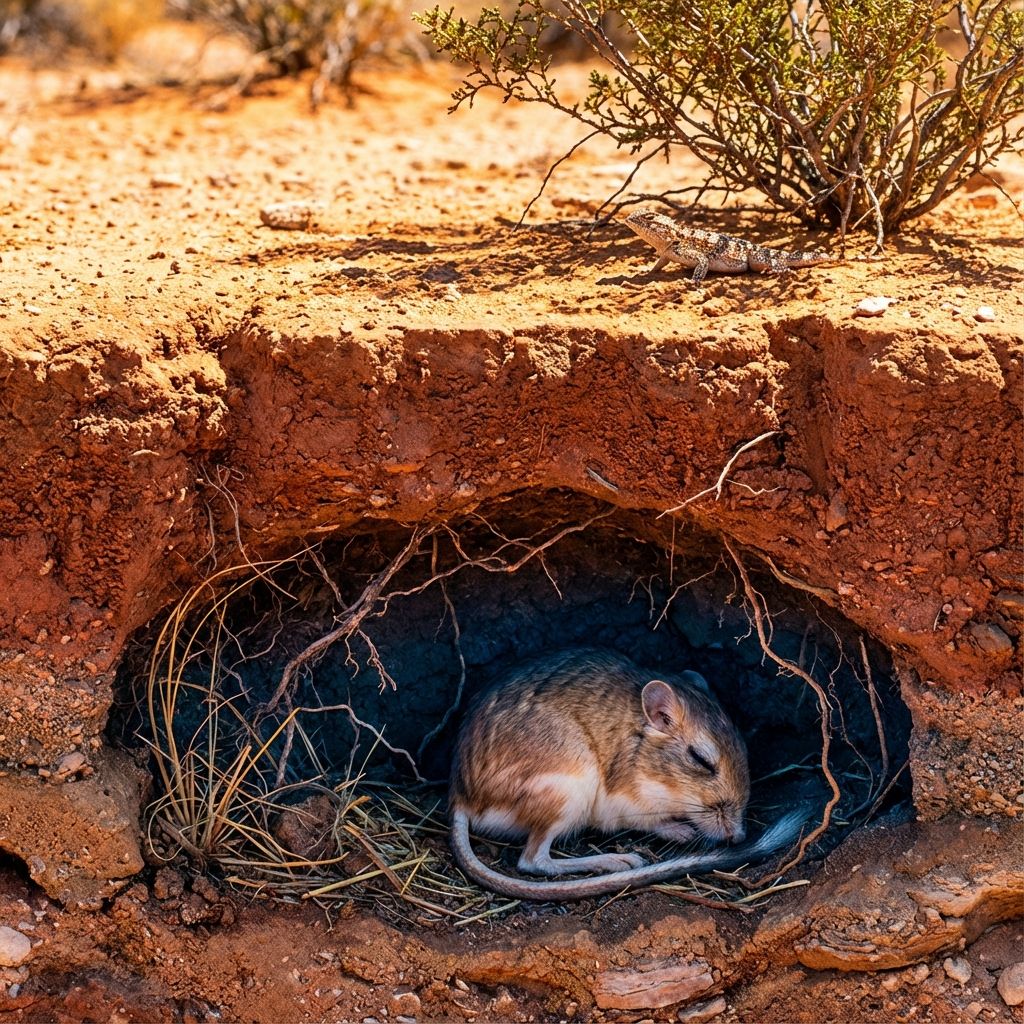
To avoid the scorching heat of the sun, kangaroo rats are nocturnal (active at night). They spend the day deep underground in complex burrows. They often plug the entrance with soil to trap moisture inside, creating a humid room that prevents their bodies from drying out while they sleep.
Leaping Legs
Despite their name, these animals are not related to kangaroos. They are named for their large hind legs and long tails, which they use to move around. These powerful legs allow them to jump up to 9 feet (2.7 meters) in a single bound to escape predators like snakes and owls. Their long tail acts as a balance, helping them change direction quickly in mid-air.
Read Land Animals & Water Animals here or in the app
Read every story in both shelves right here on the web, or open them in Encyclopedia: Kids Learning with narration you control. The full 1,000+ topics come with the app, covering space, the human body, history and more. Ad-free, ages 5–12.