How Do Some Birds Sleep While Flying?
The Alpine Swift can fly for six months without landing! These birds sleep in the air by turning off half their brain at a time, keeping one eye open to avoid crashing.

Some birds spend almost their entire lives in the air. The Alpine Swift can fly for over six months without ever landing on the ground or a tree. To survive without stopping, these birds have developed the ability to sleep while they are flying. They do not sleep deeply like humans do in a bed. Instead, they take hundreds of tiny naps that last only a few seconds or minutes at a time.
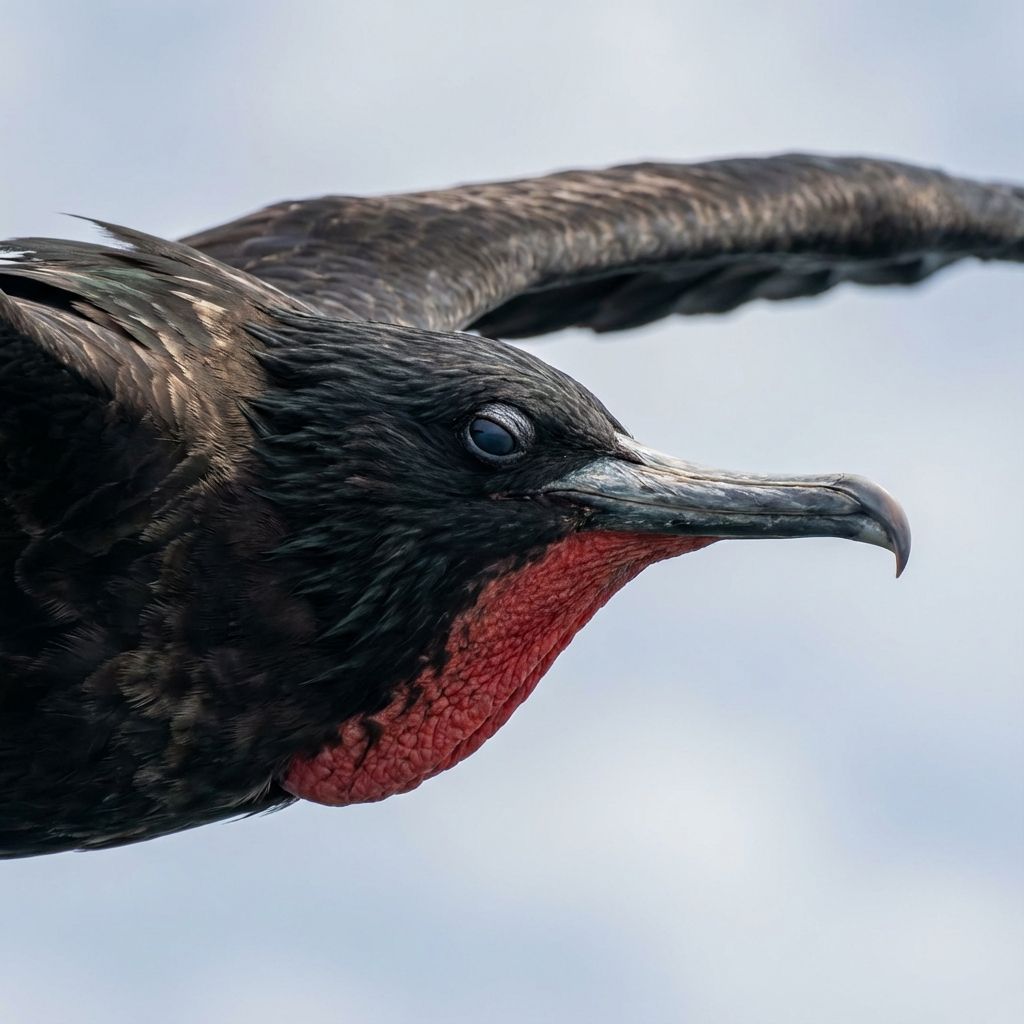
Half-Brain Sleep
Scientists call this special ability “unihemispheric slow-wave sleep.” This means the bird rests only one half of its brain at a time. The other half of the brain stays awake to control the bird’s flight and watch for danger.
This physical adaptation affects the bird’s eyes as well. When the left side of the brain is asleep, the right eye closes. The left eye stays open because it is connected to the awake right side of the brain. This allows the bird to see where it is going and avoid crashing into other birds while it rests. Sometimes, if the bird is high enough and safe, it might put both halves of the brain to sleep for a few seconds, but this is rare.
Riding the Wind
Great Frigatebirds are experts at sleeping on the wing. These large seabirds fly over the ocean for weeks looking for fish. Unlike other water birds, their feathers are not waterproof, so they cannot land on the ocean to rest. If they land, they might drown.
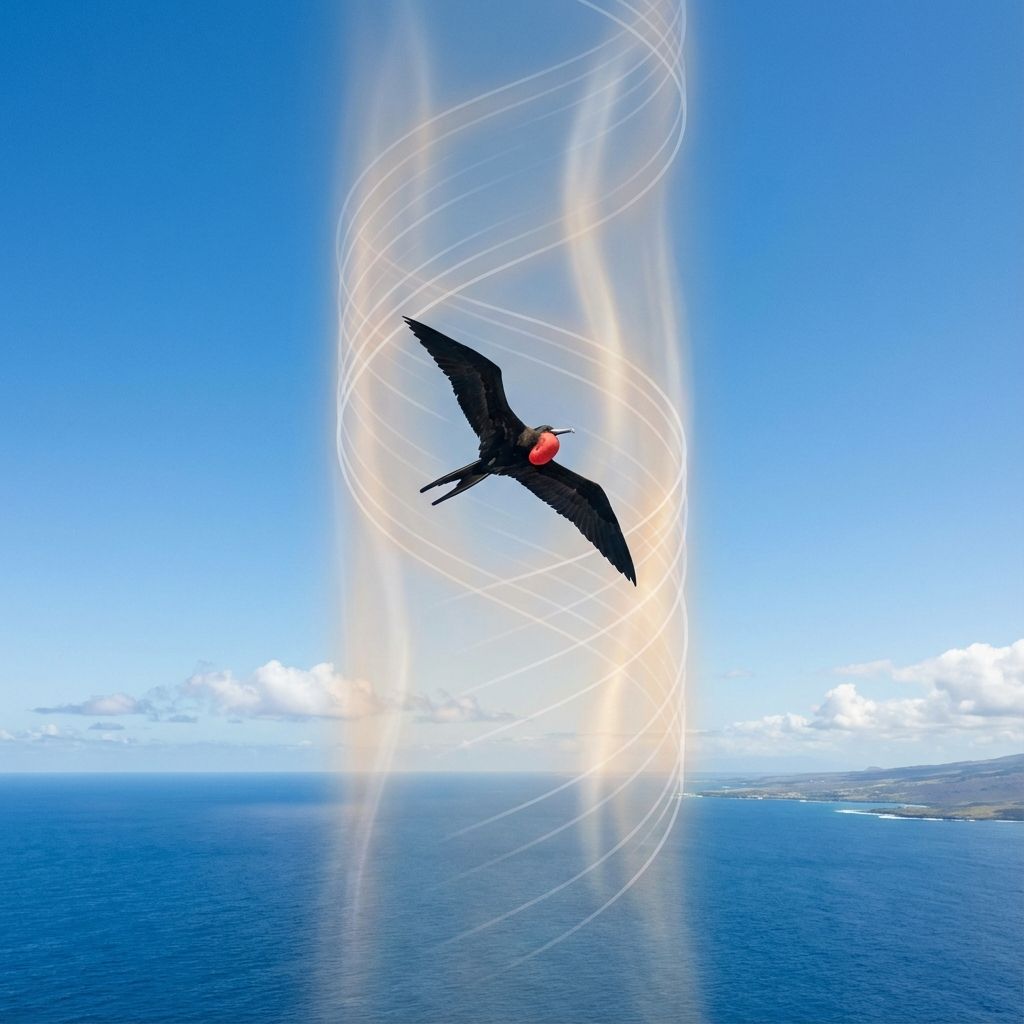
To sleep safely, frigatebirds fly high up into the clouds using rising currents of warm air called thermals. Once they reach a high altitude, they stop flapping and glide. During this smooth glide, they take quick naps. They usually sleep for only about 40 minutes a day while flying, compared to over 12 hours a day when they are on land.
Read Land Animals & Water Animals here or in the app
Read every story in both shelves right here on the web, or open them in Encyclopedia: Kids Learning with narration you control. The full 1,000+ topics come with the app, covering space, the human body, history and more. Ad-free, ages 5–12.