How Do Polar Bears Survive -50°F Weather?
Polar bear fur is actually transparent, not white, and their skin underneath is black! With 4 inches of blubber, they're so well insulated that heat-detecting cameras can barely see them.

Polar bears are the largest land predators on Earth, and they survive in the freezing Arctic where temperatures can drop to -50°F (-45°C). Their bodies are built to keep heat inside and cold out through a combination of specialized fur, skin, and fat.
Fur and Skin
A polar bear appears white to blend in with snow and ice, but its fur is actually transparent (clear) and pigment-free. The long outer hairs, called guard hairs, are hollow tubes. These hollow hairs reflect light, making the bear look white, and they trap warm air. Underneath the guard hairs is a thick layer of dense underfur that acts like a wool sweater to hold heat close to the body.
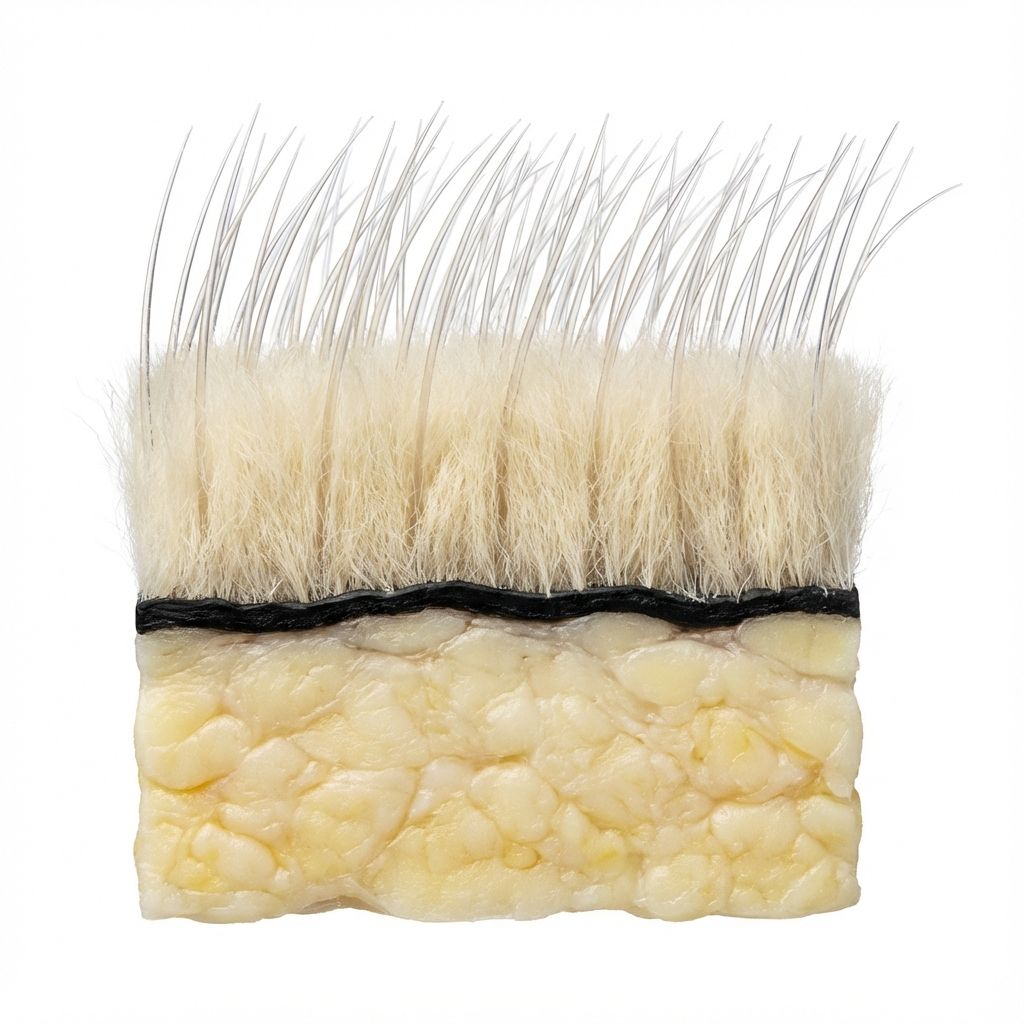
Beneath all this fur, a polar bear’s skin is black. Dark colors absorb heat from the sun better than light colors. The clear fur allows sunlight to pass through to the black skin, helping the bear absorb solar warmth.
A Blanket of Blubber
Under the skin lies a thick layer of fat called blubber. This fat can be up to 4 inches (10 centimeters) thick. Blubber acts as insulation, stopping body heat from escaping. It is so effective that polar bears give off almost no heat. In fact, infrared cameras, which detect heat, often cannot see polar bears well because their outer surface is nearly the same temperature as the cold snow.
Body Shape and Paws
Polar bears have small ears and short tails compared to other bears. Small body parts have less surface area, which means less heat is lost to the cold air. Their large paws are like snowshoes, spreading their weight so they do not sink into the snow.
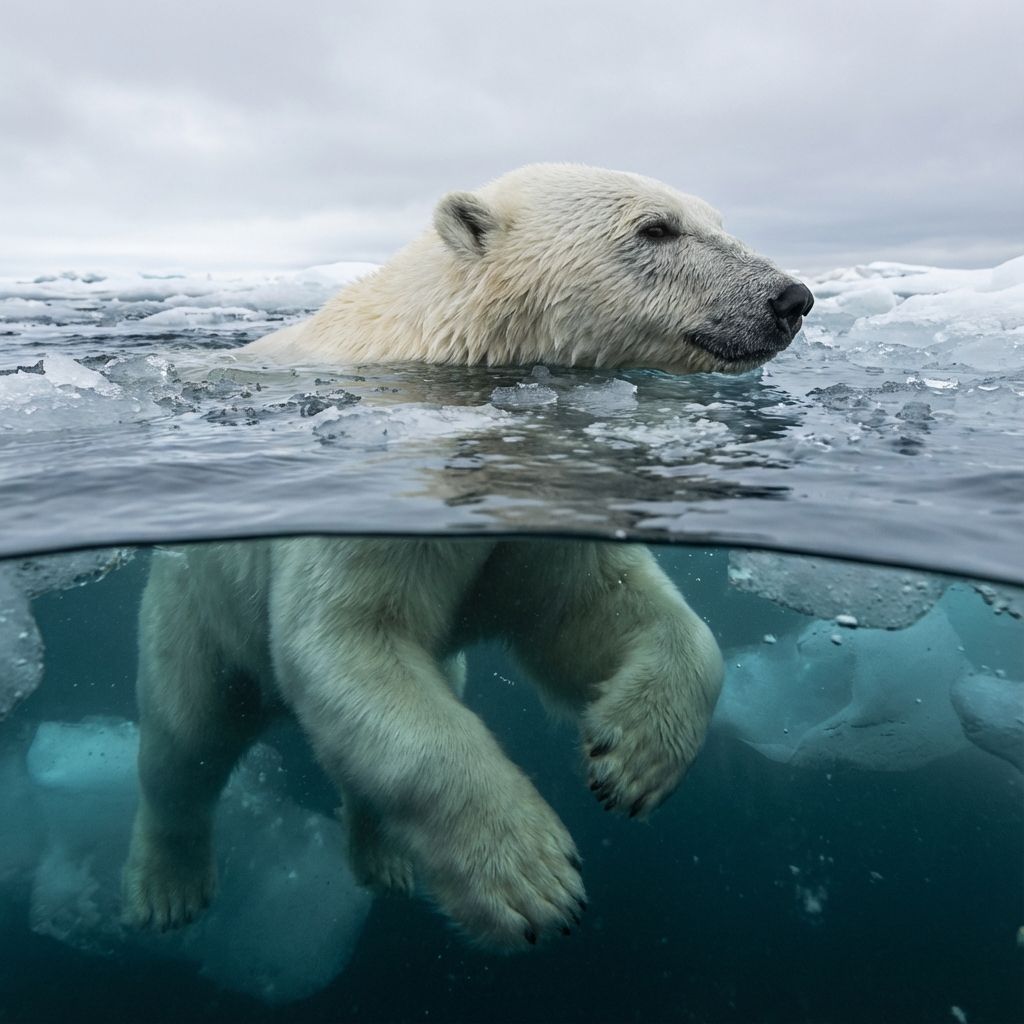
The bottoms of their paws are covered in small bumps called papillae and thick fur. This provides grip on slippery ice and keeps their feet warm while walking on frozen ground. When sleeping, polar bears often curl into a tight ball and cover their nose with a paw to conserve energy during storms.
Read Land Animals & Water Animals here or in the app
Read every story in both shelves right here on the web, or open them in Encyclopedia: Kids Learning with narration you control. The full 1,000+ topics come with the app, covering space, the human body, history and more. Ad-free, ages 5–12.