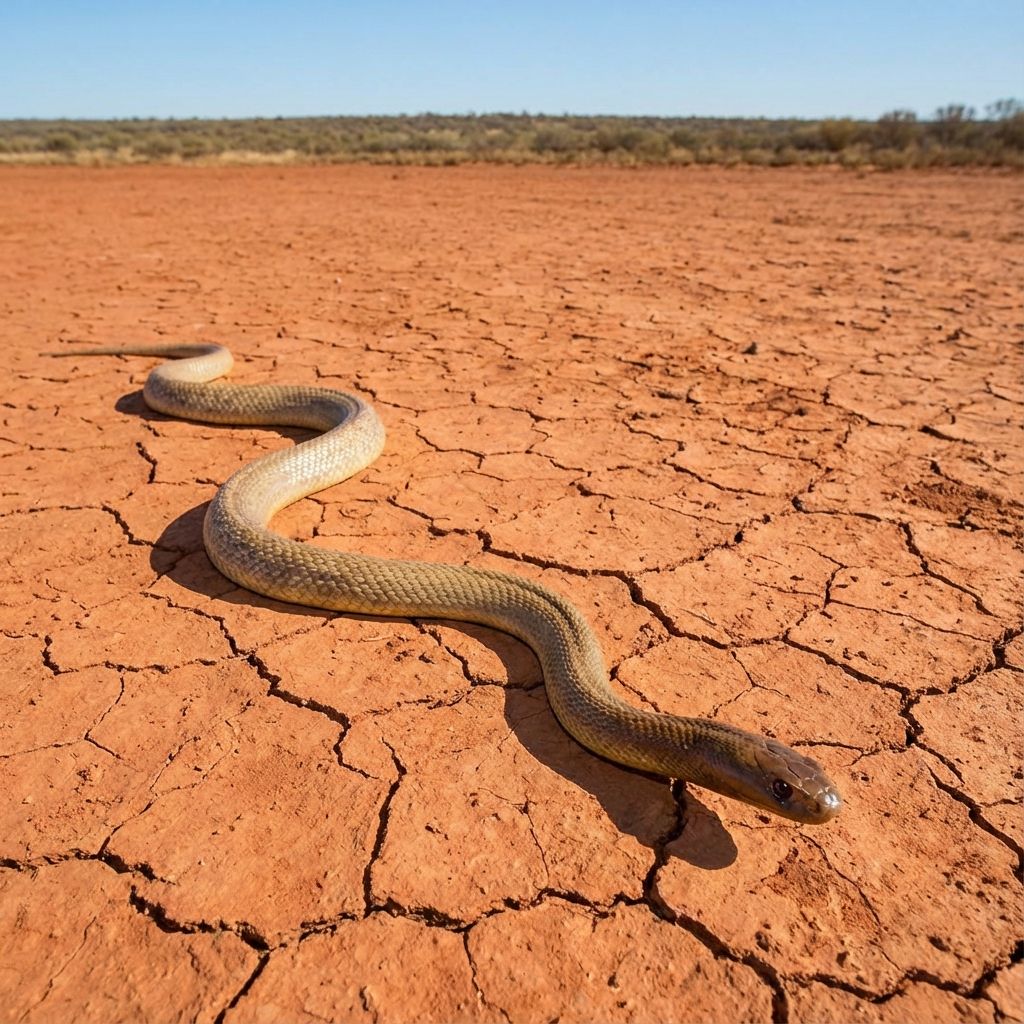
How Do Komodo Dragons Kill With Venom?
Komodo dragons have venom glands that stop blood from clotting - one bite makes prey bleed until they collapse! Scientists only discovered this secret weapon in 2009.

Komodo dragons are the largest lizards on Earth, and they have a secret weapon hidden inside their mouths. For a long time, scientists thought dirty bacteria in their saliva (spit) caused infections that killed their prey. In 2009, researchers discovered that these dragons actually produce a powerful venom to take down large animals.
Venom Glands
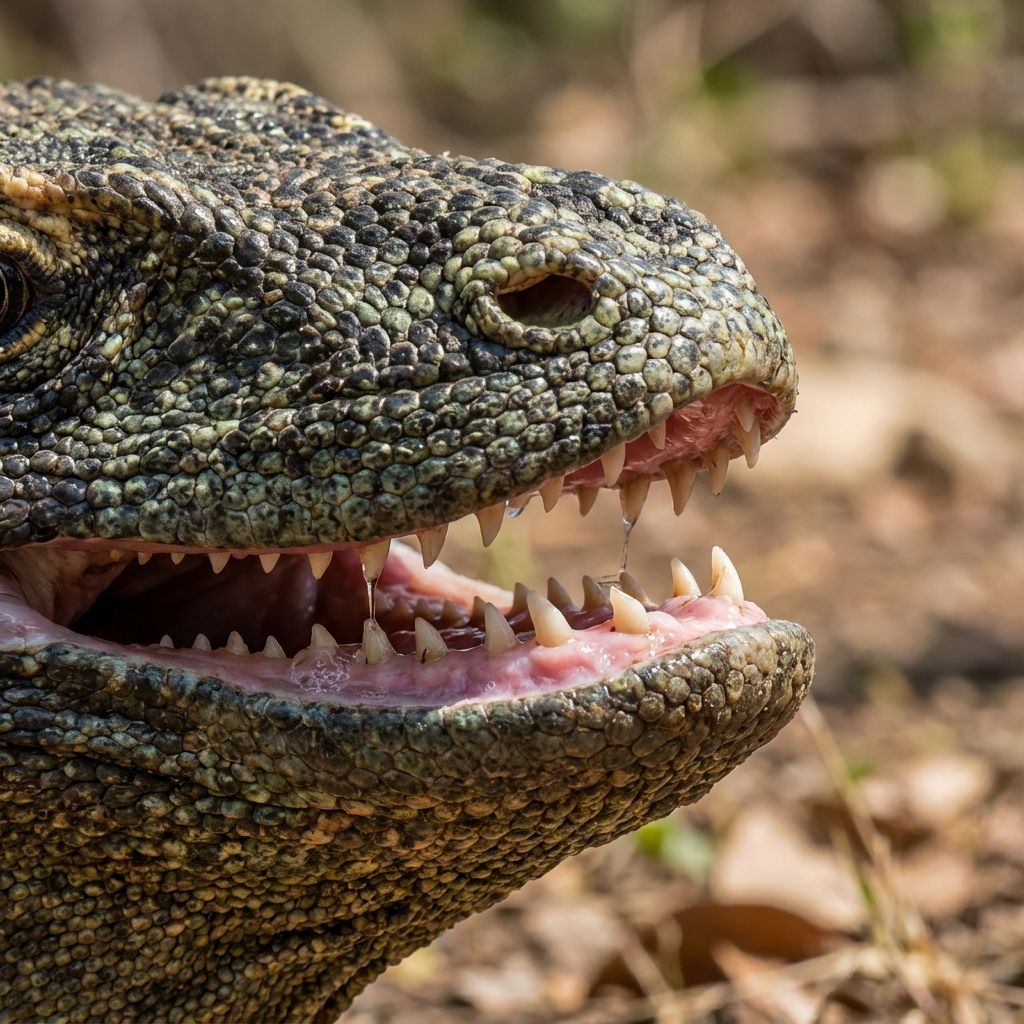
These reptiles have large venom glands located between their teeth and the jawbone in the lower jaw. When the dragon bites down, the pressure forces the venom out of the glands and into the wound. Unlike snakes, which inject venom through hollow fangs like needles, Komodo dragons have serrated (saw-like) teeth that tear open the skin. This creates a deep wound that allows the venom to soak rapidly into the prey’s body.
Ambush and Attack
Komodo dragons are heavy and cannot run fast for very long, so they rely on stealth. They use their brown and grey skin to blend in with the dry soil and rocks.

The dragon waits motionless in tall grass for hours. When an animal like a deer or water buffalo walks by, the dragon lunges out. It delivers one powerful bite to the animal’s leg or belly, then pulls back. It does not need to hold on; it lets the animal escape initially.
Effects on the Body
Once the venom enters the prey’s bloodstream, it attacks the body quickly. The toxic liquid contains proteins that stop blood from clotting (thickening to stop bleeding). This causes the wound to keep bleeding continuously, weakening the animal. The venom also causes muscle cramps and makes the blood pressure drop very low, sending the animal into shock. The prey becomes too dizzy and weak to fight or run away. The Komodo dragon uses its long, forked tongue to smell the weakened animal and follows it calmly until it collapses.
Read Land Animals & Water Animals here or in the app
Read every story in both shelves right here on the web, or open them in Encyclopedia: Kids Learning with narration you control. The full 1,000+ topics come with the app, covering space, the human body, history and more. Ad-free, ages 5–12.