Gorilla Doctors: Saving the Last 1,000 Mountain Gorillas
With only 1,000 mountain gorillas left, every one matters! 'Gorilla Doctors' dart sick animals in the forest to treat them - and wear masks so gorillas don't catch human colds.

Life in the Clouds
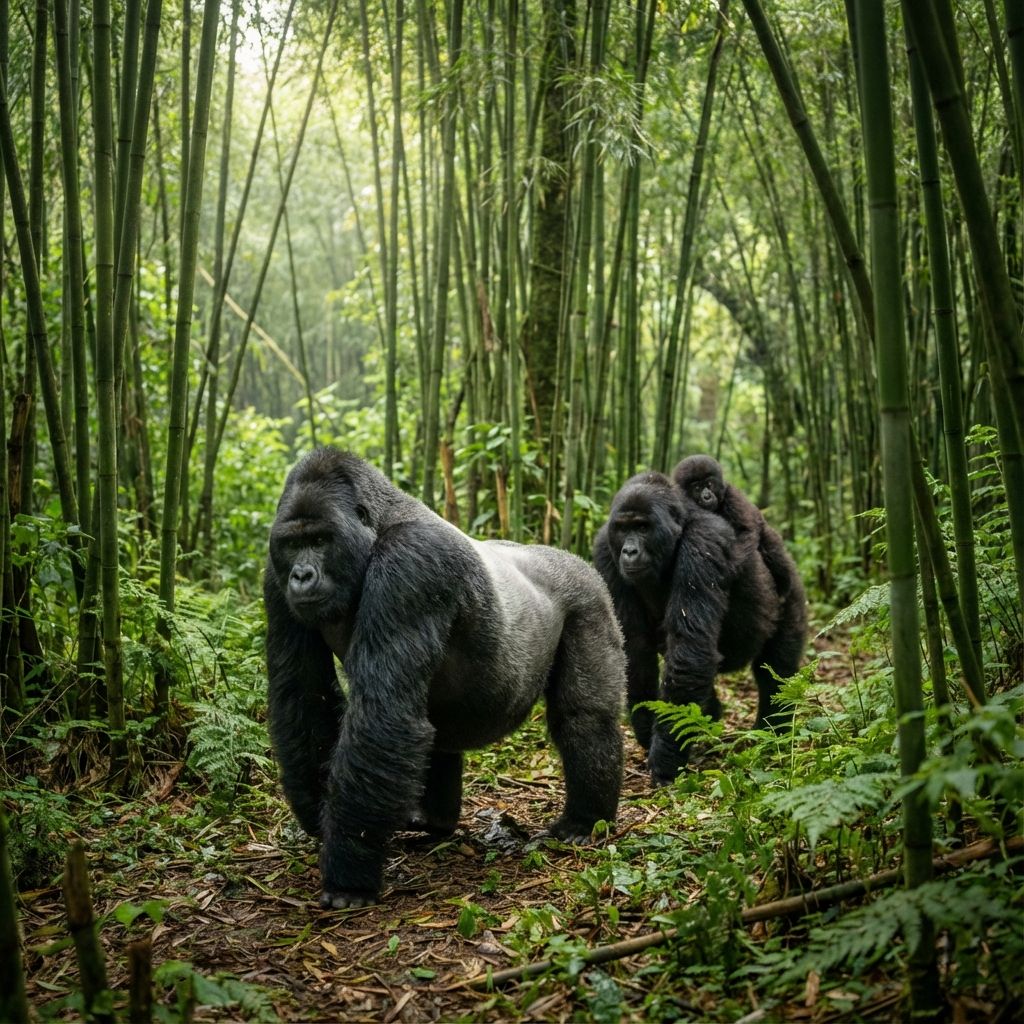
Mountain gorillas live in only two places on Earth: the Virunga Mountains and the Bwindi Impenetrable National Park in East Africa. These forests are high in the mountains, reaching elevations of up to 4,000 meters (13,000 feet). Because the air is misty and cold, mountain gorillas have developed thicker and longer fur than other gorilla species to keep warm. They live in family groups led by a dominant male called a silverback, named for the patch of silver hair on his back that appears when he matures.
Medical Care in the Wild
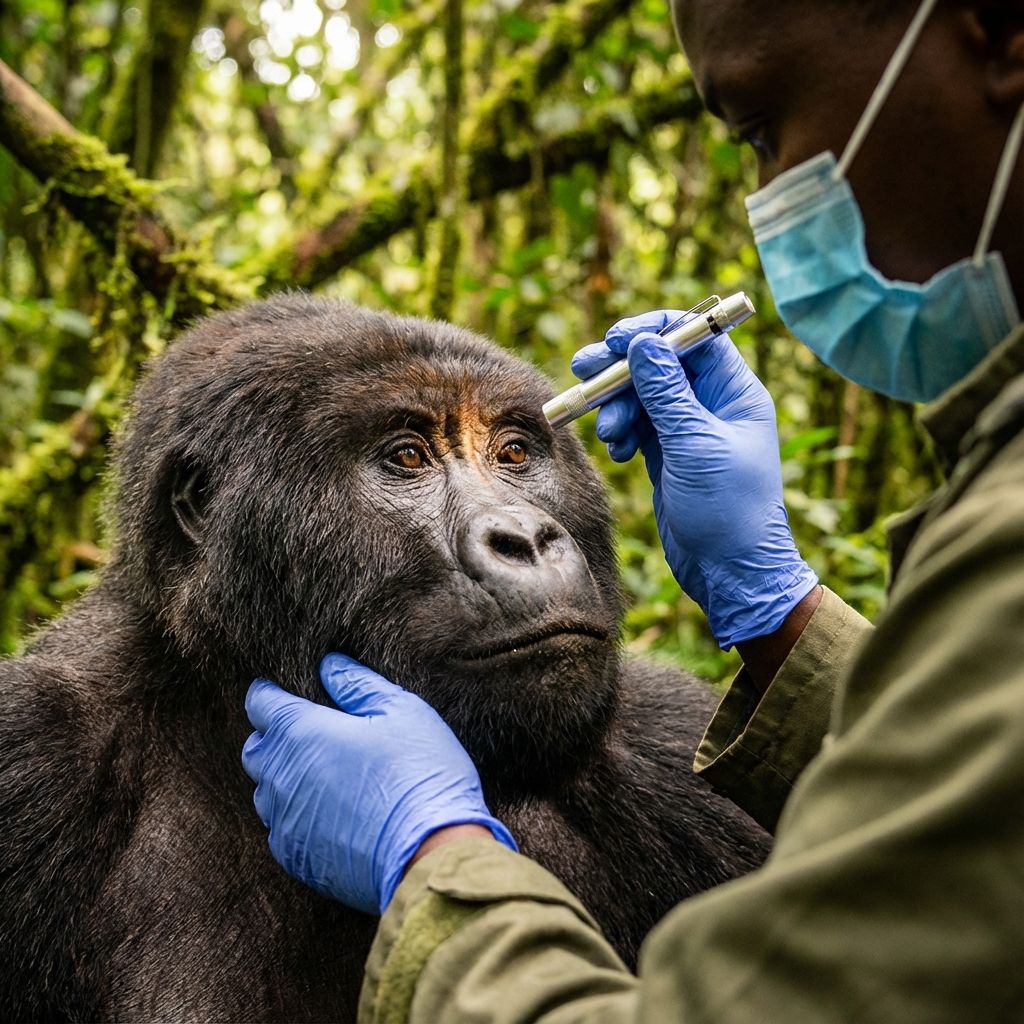
Usually, veterinarians do not treat wild animals, allowing nature to take its course. However, mountain gorillas are an exception. With only about 1,000 individuals left in the wild, the survival of every single gorilla is critical for the species. A specialized group of veterinarians, known as “Gorilla Doctors,” monitors these animals daily. If a gorilla is caught in a snare (a trap meant for antelope) or suffers from a severe illness, the doctors intervene. They often use a dart gun to deliver medicine or anesthesia (medicine that makes the animal sleep) so they can safely treat the patient right in the forest.
Preventing Human Disease
Gorillas share about 98 percent of their DNA with humans. This similarity means they can easily catch human illnesses, such as the flu or the common cold. Because gorillas do not have immunity to these human germs, a simple cold can become life-threatening. To keep them safe, park rangers and tourists must wear face masks and stay at least 7 meters (23 feet) away. The veterinarians also wear protective gear when performing procedures to ensure they do not accidentally make the gorillas sick while trying to help them.
Read Land Animals & Water Animals here or in the app
Read every story in both shelves right here on the web, or open them in Encyclopedia: Kids Learning with narration you control. The full 1,000+ topics come with the app, covering space, the human body, history and more. Ad-free, ages 5–12.