Donkey vs. Mule vs. Horse
Did you know that donkeys don't freeze out of stubbornness, but to think? They also use their giant ears as personal air conditioners to stay cool!
The Genetic Mashup
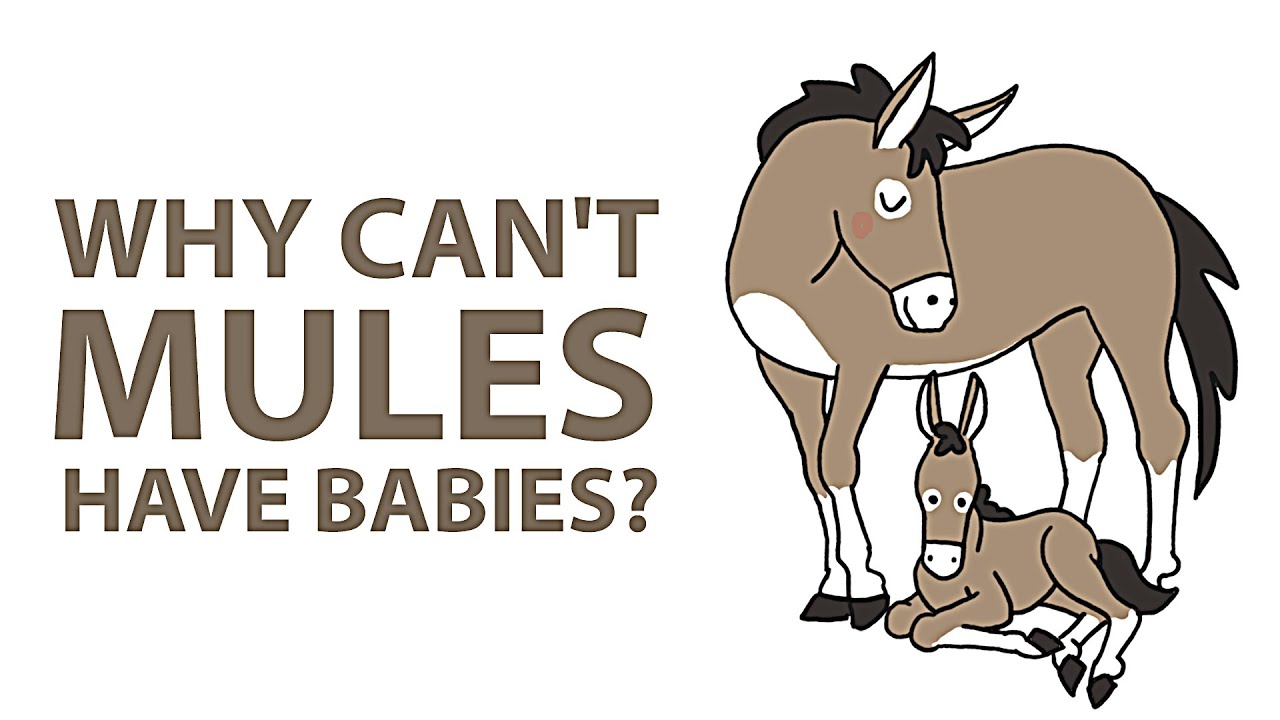
If horses, donkeys, and mules were characters in a video game, they would have completely different stat sheets. Horses and donkeys are close cousins, but a mule is a real-life hybrid—a genetic mashup created when a male donkey and a female horse have a baby. Because horses and donkeys have different numbers of chromosomes (the tiny biological instruction manuals inside cells), mules are almost always sterile, meaning they cannot have babies of their own. If the dad is a horse and the mom is a donkey, the baby is called a hinny, which is much rarer.
Flight vs. Freeze
Horses are built for high-speed getaways. When a horse gets scared, its brain instantly triggers its flight reflex, causing it to bolt at speeds up to 44 miles per hour.

Donkeys, which originally evolved in rocky deserts, cannot easily run away from predators. Instead of running, a donkey freezes. It stands perfectly still to calculate the safest move. While humans often mistake this pause for stubbornness, it is a sign of high intelligence. Donkeys also sport oversized ears that work like personal air conditioners, releasing body heat to keep them cool in scorching climates while picking up sounds from miles away.
All-Terrain Champions
The mule combines the best traits of both parents to become an all-terrain champion. It inherits the raw muscle and size of a horse, along with the intelligence, endurance, and tough hooves of a donkey.

Mule hooves are harder and more vertical than horse hooves, making them elite mountain climbers that rarely slip on loose gravel. Their skin is less sensitive than a horse’s, allowing them to carry heavy loads through thick brush without getting scratched. This is why park rangers still use mules to haul heavy gear down the steep, vertical cliffs of the Grand Canyon.
Read Land Animals & Water Animals here or in the app
Read every story in both shelves right here on the web, or open them in Encyclopedia: Kids Learning with narration you control. The full 1,000+ topics come with the app, covering space, the human body, history and more. Ad-free, ages 5–12.