Discovering 4 New Mammals in One Trip
Scientists hike for days through thick mud to reach 'sky islands' - isolated mountains where unique animals evolve. Discover how camera traps and DNA tests helped them find four new species in one trip!

To find new animals, scientists must travel to places humans rarely go. One of the best places to look is a “sky island.” This is a mountain range covered in rainforest that is cut off from other forests by low valleys. Animals on these mountains cannot leave, so they evolve (change over time) into unique species found nowhere else on Earth. Reaching these areas requires hiking for days through thick mud, carrying heavy tents and food.
Tools of Discovery
Scientists do not just rely on their eyes to find hidden creatures. They use technology to see in the dark and track movement.
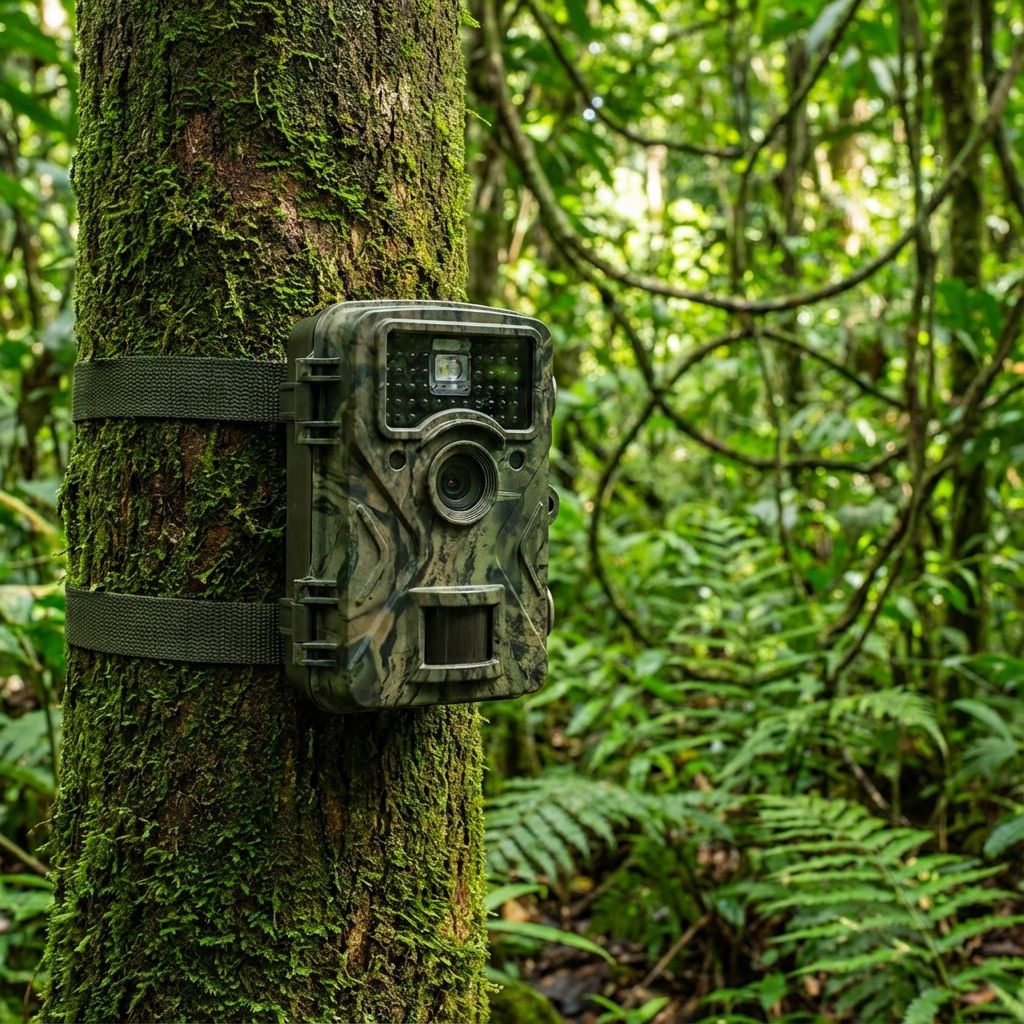
Camera Traps Researchers strap special cameras to trees along animal paths. These cameras have motion sensors that snap a photo whenever something moves past them. They can work day and night for weeks, capturing images of shy animals that would run away from humans.
Live Traps To study small animals like mice or shrews, scientists use box traps filled with bait, such as peanut butter or oats. These traps catch the animals without hurting them. This allows the team to measure the animal, check its fur color, and take a tiny sample for testing before releasing it back into the wild.
Confirming a New Species
Finding an animal that looks different is only the first step. To prove it is a new mammal, scientists must look at its DNA (the chemical instructions inside its body). They compare the DNA to every other known relative. They also study the shape of its skull and teeth. If the DNA and bones are different enough, the animal is named as a brand-new species.
What Did They Find?
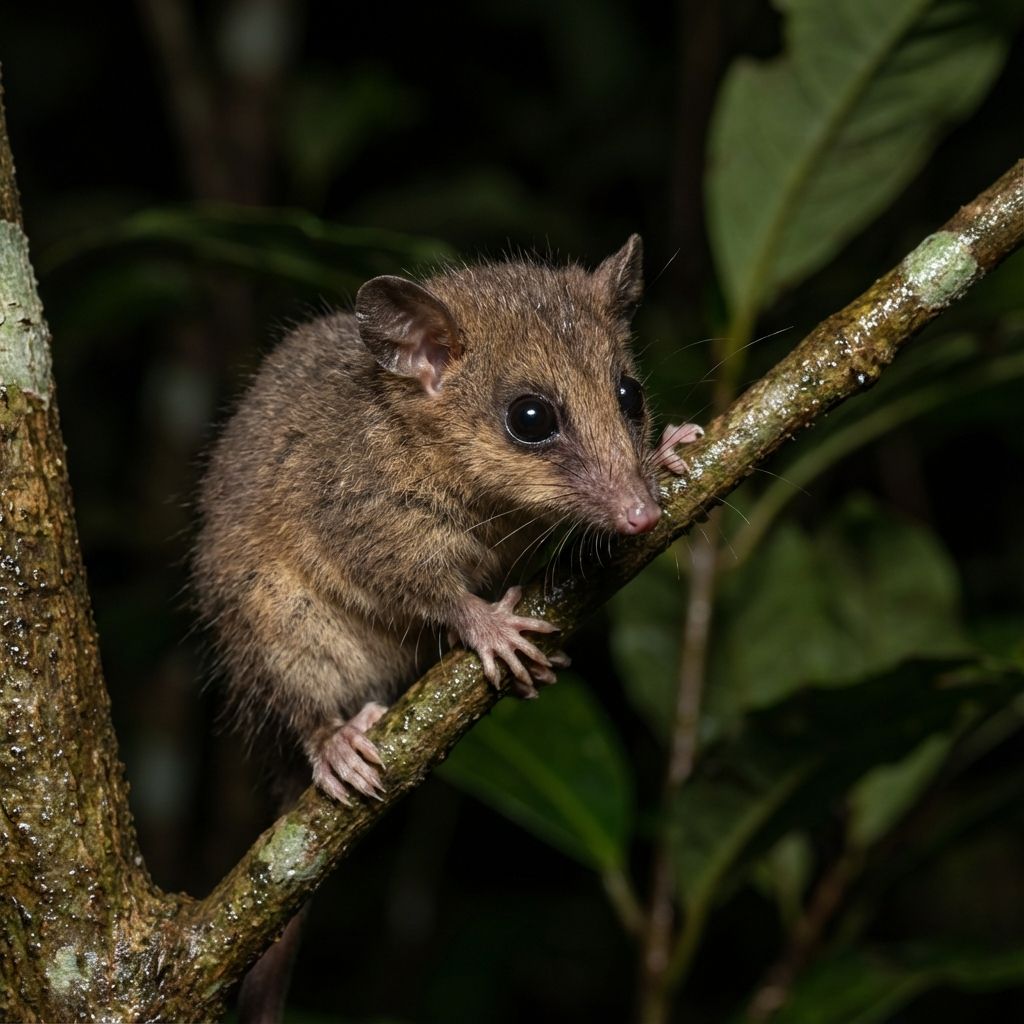
In recent expeditions to places like the Andes Mountains or the forests of Indonesia, scientists have found several new mammals in single trips. These are usually not large animals like tigers. Instead, they are often small, nocturnal (active at night) creatures. Discoveries have included grass mice, marsupials similar to opossums, and shrew-rats. Finding four new mammals in one location shows how much of the natural world is still waiting to be discovered.
Read Land Animals & Water Animals here or in the app
Read every story in both shelves right here on the web, or open them in Encyclopedia: Kids Learning with narration you control. The full 1,000+ topics come with the app, covering space, the human body, history and more. Ad-free, ages 5–12.