Why Do Sharks Swim While Sleeping?
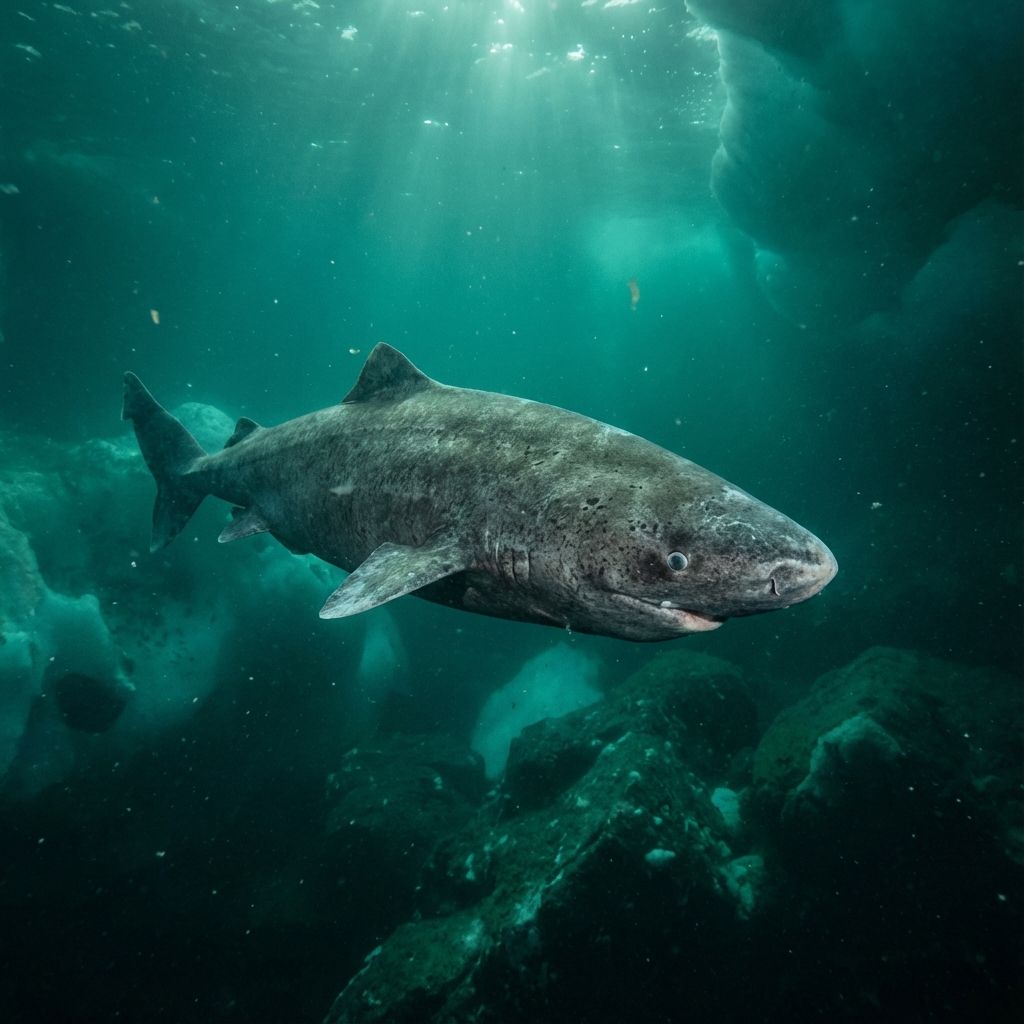
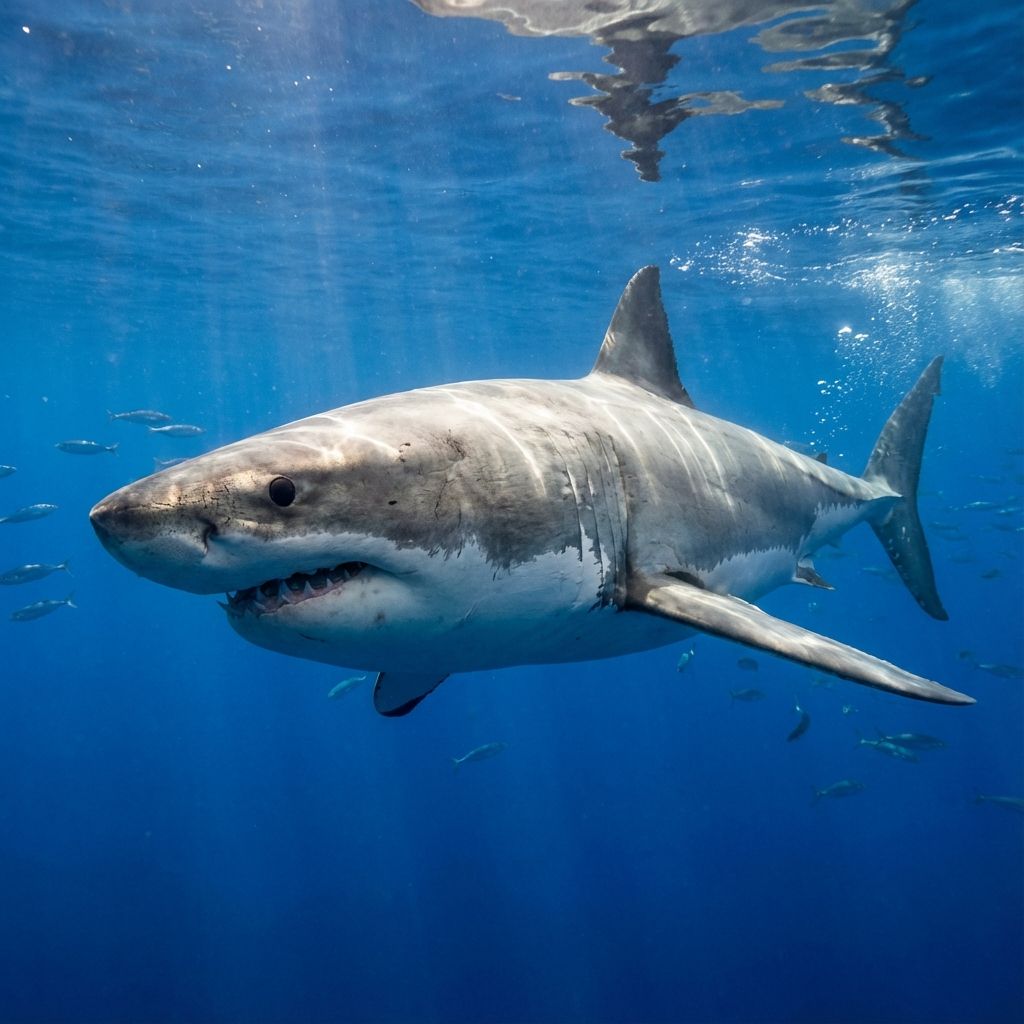
Great white sharks can't stop swimming or they'll suffocate! They must keep moving to push water over their gills. Their brains rest while their spinal cord keeps them cruising.

Breathing Underwater
Sharks live underwater, but they still need oxygen to survive. Instead of using lungs like humans, sharks use gills. Gills are slits located on the sides of a shark’s head. As water flows over these gills, the shark takes oxygen from the water into its blood.
For this process to work, water must constantly move over the gills. If the water stops moving, the shark cannot get oxygen. Different sharks have developed different ways to keep this water flowing.
Moving to Breathe
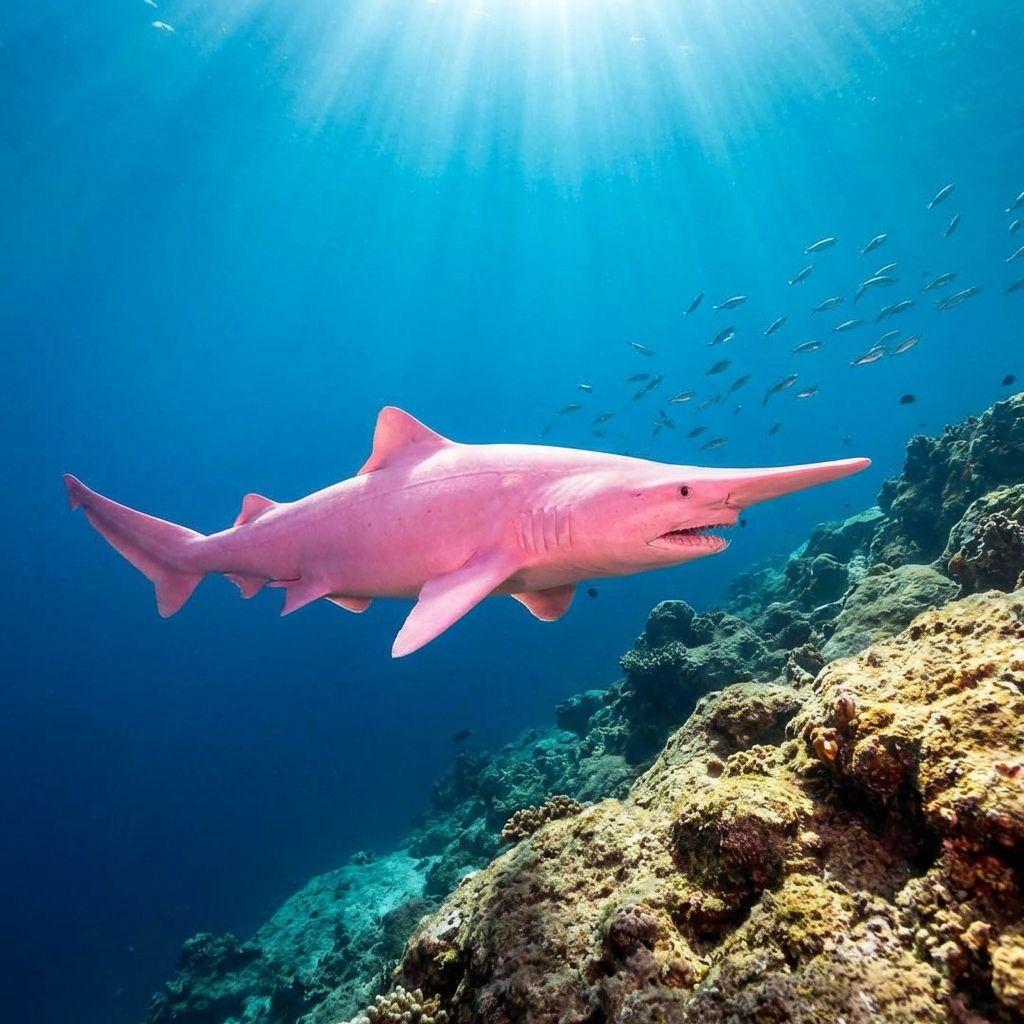
Many famous sharks, such as the great white shark, the mako shark, and the whale shark, use a method called ram ventilation. This means they swim forward with their mouths slightly open. As they move, water is “rammed” or pushed into the mouth and out through the gills.
Because they rely on this forward motion to breathe, these sharks cannot stop swimming completely. If they stopped moving, water would stop flowing over their gills, and they would not be able to breathe. When these sharks rest, they do not go into a deep sleep like humans. Instead, they enter a restful state where their brain is less active, but their spinal cord keeps their swimming muscles working. They continue to cruise slowly through the water while they rest.
Sharks That Can Stop
Not all sharks need to swim constantly. Some species, like nurse sharks, wobbegongs, and angel sharks, can lie perfectly still on the ocean floor. These sharks use a method called buccal (buck-al) pumping. They have strong cheek muscles that pull water into their mouths and pump it over their gills.
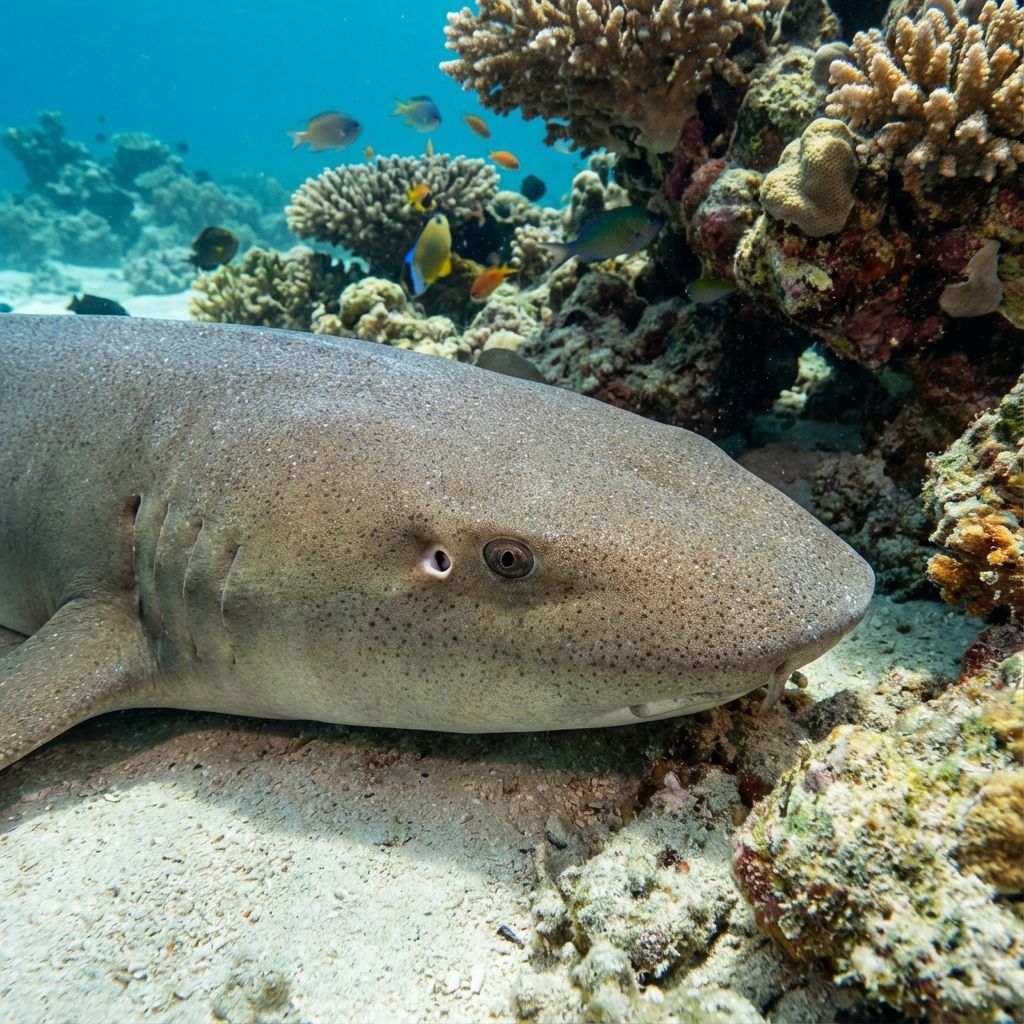
Many of these bottom-dwelling sharks also have spiracles. Spiracles are small openings directly behind the eyes. They act like snorkels, allowing the shark to pull in clean water to breathe even when its mouth is buried in the sand. This allows them to sleep without moving at all.
Read Land Animals & Water Animals here or in the app
Read every story in both shelves right here on the web, or open them in Encyclopedia: Kids Learning with narration you control. The full 1,000+ topics come with the app, covering space, the human body, history and more. Ad-free, ages 5–12.