The Shark That Lives 500 Years
Greenland sharks can live over 500 years - one swimming today might have been born when Leonardo da Vinci was alive! They don't become adults until they're 150 years old.
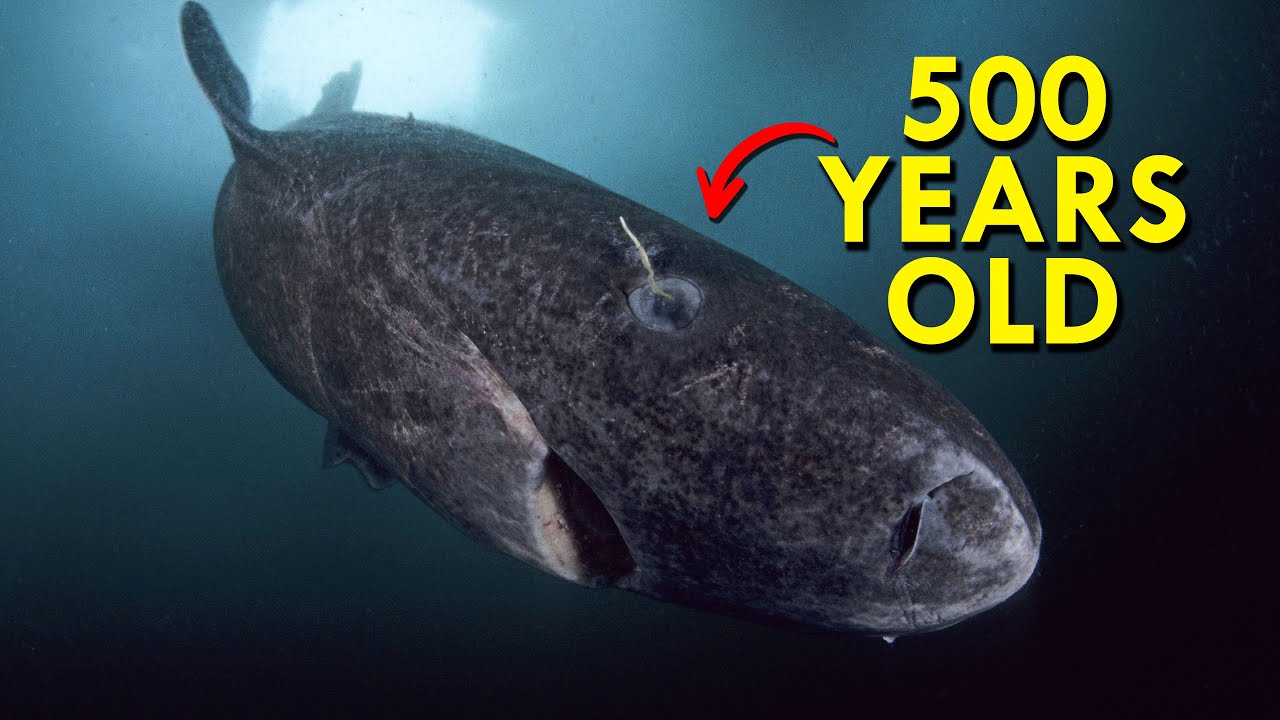
The Greenland shark is the longest-living vertebrate (animal with a backbone) on Earth. Scientists discovered that these sharks can live for at least 272 years, and the oldest ones may reach over 500 years of age. This means a shark swimming today could have been born around the time Leonardo da Vinci was painting the Mona Lisa.
Measuring Age
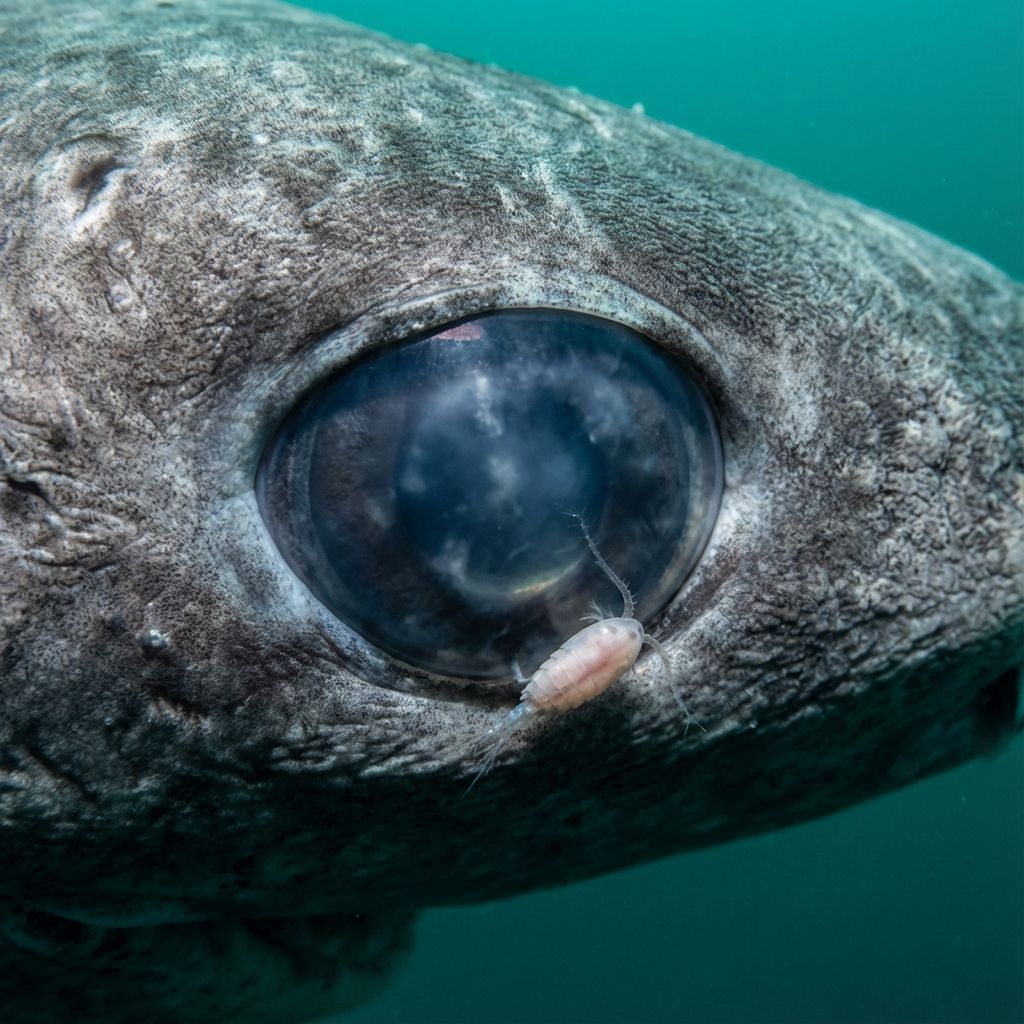
Unlike trees, sharks do not have growth rings in their bones that are easy to count. To find a Greenland shark’s age, scientists study the lenses in their eyes. The proteins in the center of the lens form before the shark is born and do not change throughout its life. By analyzing carbon in these proteins, researchers can calculate how long the shark has been alive.
Life in Slow Motion
These sharks live in the freezing, deep waters of the Arctic and North Atlantic oceans. The extreme cold slows down their body functions to save energy. A Greenland shark cruises at about 0.7 miles (1.2 kilometers) per hour, earning them the nickname “sleeper sharks.”
Their growth rate is incredibly slow. They grow only about 0.4 inches (1 centimeter) per year. Because of this slow pace, they stay in a childhood stage for a very long time. Females do not become adults able to have babies until they are around 150 years old.
Diet and Survival
Despite moving slowly, Greenland sharks are successful predators and scavengers (animals that eat dead leftovers). They eat fish, seals, and even reindeer that fall into the water. Their meat contains high levels of urea and a chemical that acts like antifreeze. This keeps ice crystals from forming in their blood, but it also makes their flesh poisonous to humans unless it is prepared in a specific way.
Many Greenland sharks are mostly blind. A pinkish-white parasite called a copepod often attaches itself to the shark’s eye. Since the deep ocean is very dark, the shark relies on its powerful sense of smell rather than sight to find food.
Read Land Animals & Water Animals here or in the app
Read every story in both shelves right here on the web, or open them in Encyclopedia: Kids Learning with narration you control. The full 1,000+ topics come with the app, covering space, the human body, history and more. Ad-free, ages 5–12.