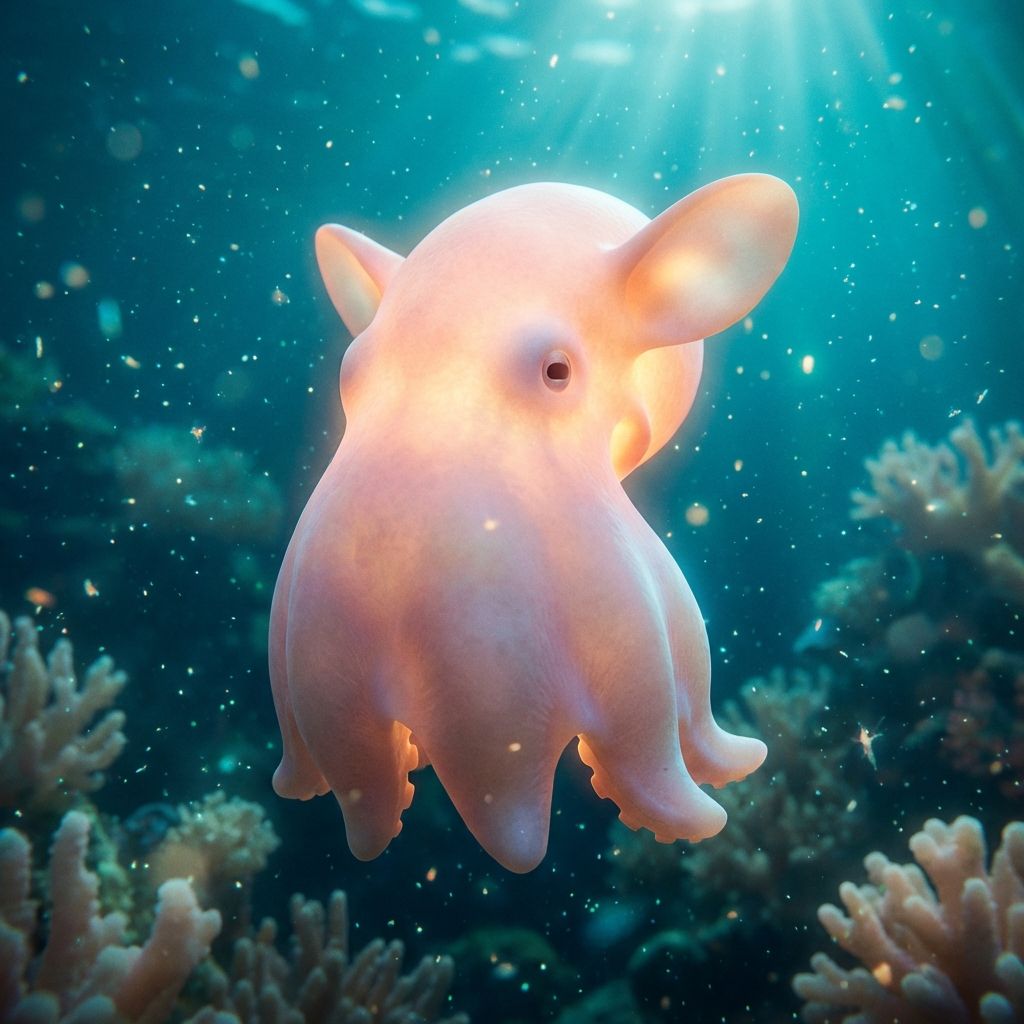
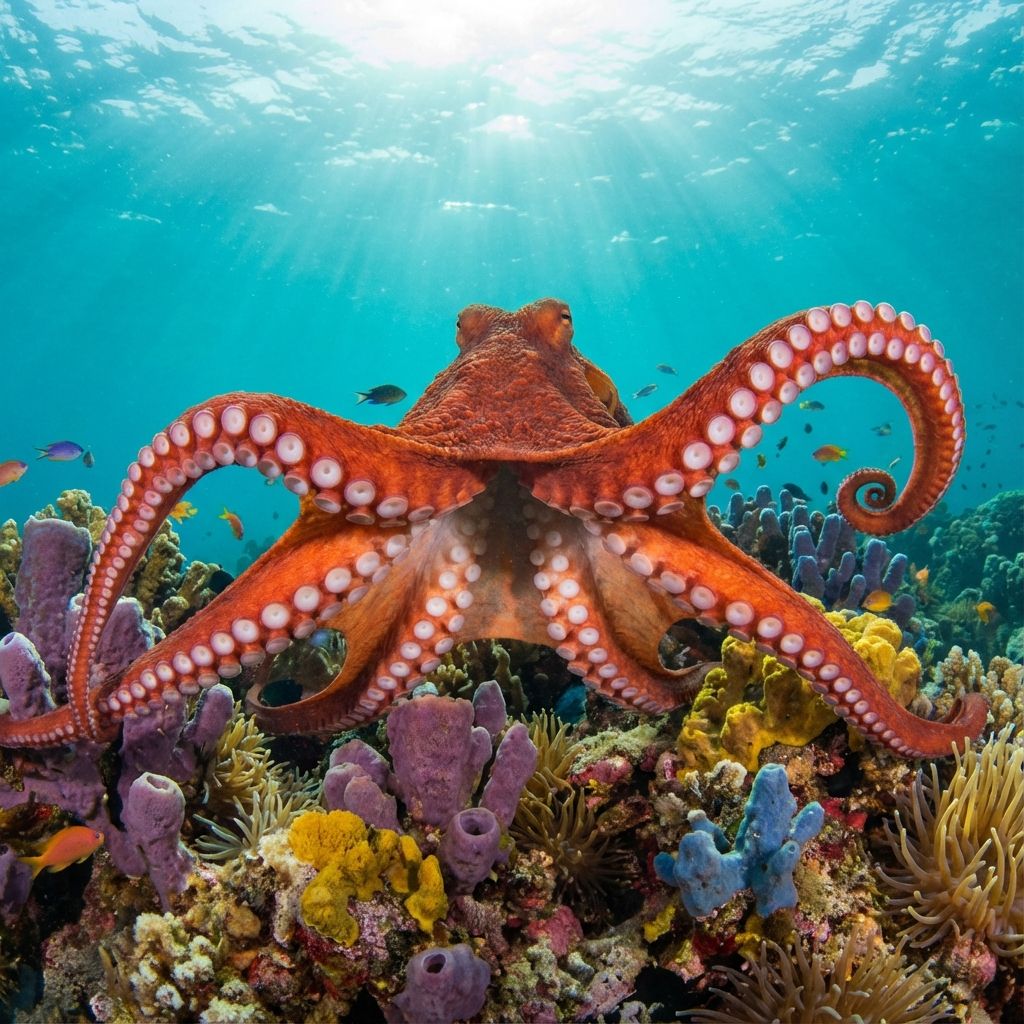
The Octopus That Mimics Other Animals
The mimic octopus can transform into 15 different animals! It chooses which creature to copy based on what's attacking it - turning into a sea snake to scare fish away.

Most octopuses are experts at camouflage. They change color and texture to blend into rocks or coral, hiding from predators by becoming invisible. The mimic octopus, however, uses a bolder strategy. Instead of hiding, it changes its shape and behavior to look like dangerous or poisonous animals. This behavior acts as a warning to hungry predators to stay away.
Habitat and Discovery
Scientists only discovered this species in 1998 off the coast of Sulawesi, Indonesia. These animals live in the shallow, muddy waters of river mouths in the Indo-Pacific region. Because their habitat is mostly open sand or mud, there are few places to hide. This lack of shelter likely forced the mimic octopus to develop its unique skills to survive in the open.
The Art of Transformation
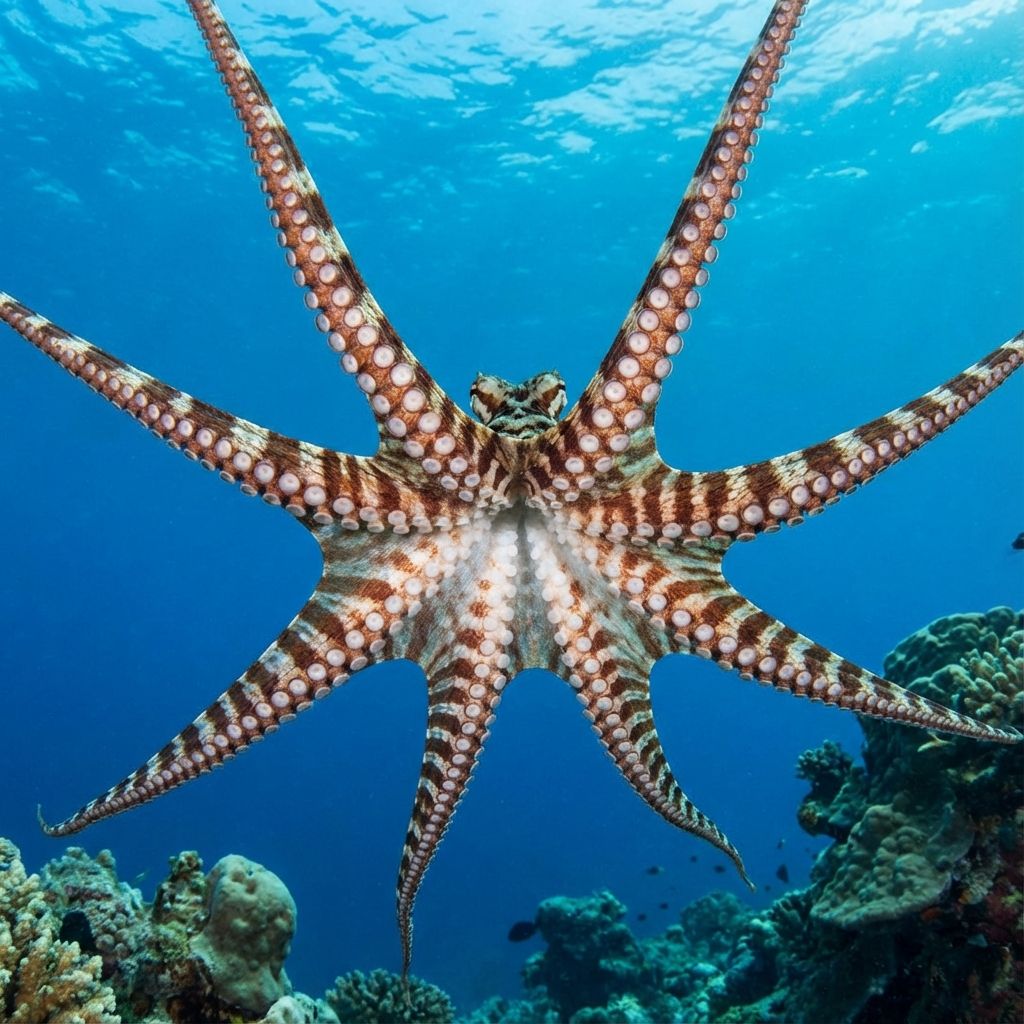
The mimic octopus grows to about 2 feet (60 centimeters) long. Its natural coloring consists of brown and white stripes. Like other octopuses, it has specialized skin cells called chromatophores (color sacs) that allow it to change patterns instantly. By combining color changes with flexible arm movements, it can impersonate up to 15 different species.
The Sole (Flatfish): To look like a poisonous flatfish, the octopus pulls all its arms backward and flattens its body into a leaf shape. It then drifts along the seafloor using a wave-like motion, exactly like a swimming sole.
The Lionfish: When threatened, the octopus may spread its arms wide and float in the water column. Its brown and white stripes look remarkably like the poisonous spines of a lionfish. This scares away animals that might otherwise eat an octopus but fear the lionfish’s sting.
The Sea Snake: Perhaps its most dramatic disguise involves the octopus burying its entire body and six of its arms in the sand. It leaves two striped arms visible, waving them in opposite directions. This mimics the appearance of the banded sea snake, a highly venomous reptile.
Intelligent Choices
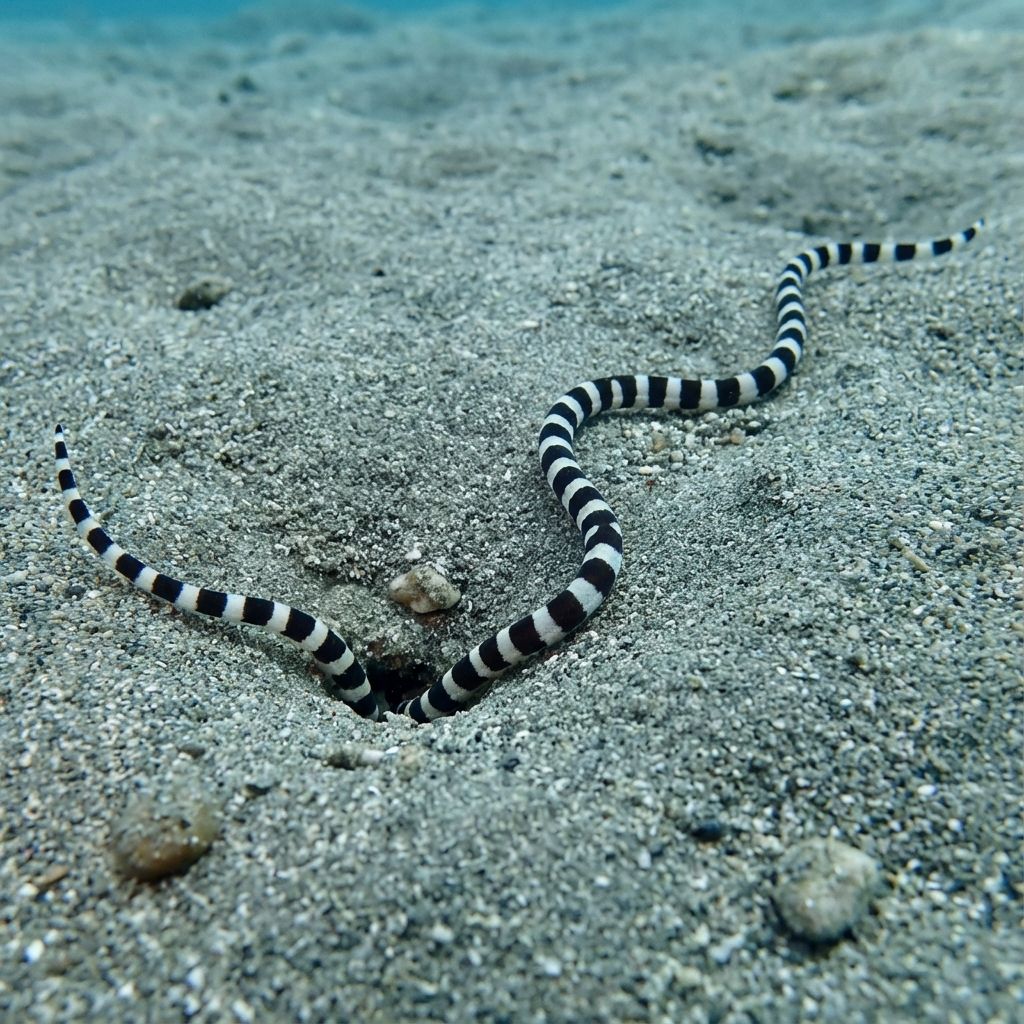
The mimic octopus does not choose its disguises randomly. Researchers have observed the octopus deciding which animal to impersonate based on the specific threat it faces. When attacked by damselfish, the octopus mimics a sea snake, which is a known predator of the damselfish. This ability to assess a threat and choose the correct defense demonstrates a high level of intelligence.
Read Land Animals & Water Animals here or in the app
Read every story in both shelves right here on the web, or open them in Encyclopedia: Kids Learning with narration you control. The full 1,000+ topics come with the app, covering space, the human body, history and more. Ad-free, ages 5–12.