The 507-Year-Old Clam
A clam named Ming was 507 years old - born before Columbus reached America! Scientists count growth rings on clam shells like tree rings to discover their age.

The Longest-Lived Animal
The ocean quahog (pronounced ko-hog) is a type of clam found in the cold waters of the North Atlantic Ocean. It is a bivalve mollusk, meaning it has a two-part hinged shell that protects a soft body inside. While many animals live only a few years, the ocean quahog is the longest-living animal in the world that is not a colony like coral.
One famous ocean quahog was named “Ming.” Scientists discovered that Ming was 507 years old when it was found off the coast of Iceland in 2006. This means Ming was born in 1499, during the Ming Dynasty in China. This clam was alive before the invention of the lightbulb, the telephone, or cars.
Reading the Rings
Scientists determine a clam’s age by looking at its shell. As a quahog grows, its shell gets bigger by adding new layers of hard material called calcium carbonate. These layers form rings, very similar to the growth rings found inside tree trunks. By counting the rings under a microscope, researchers can calculate exactly how many years the clam has lived.
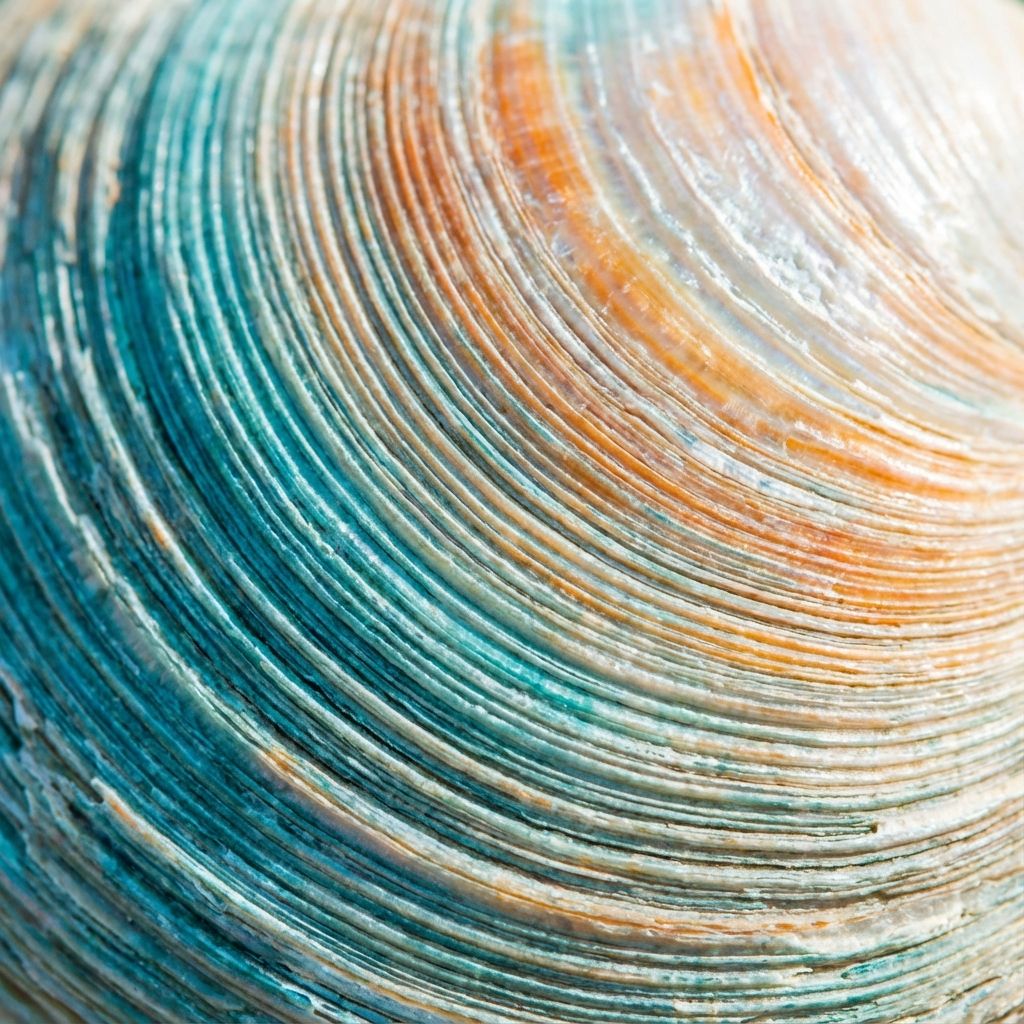
Because ocean quahogs live in very cold water, they grow extremely slowly. In some years, the growth is so small that the rings are barely visible without special equipment. This slow growth is one of the secrets to their incredibly long lives.
Life on the Ocean Floor
These clams live buried in the sandy seabed, often deep underwater where the temperature stays stable and cold. They use a strong, muscular foot to dig into the sand to hide from predators like crabs and fish. To eat, the quahog extends a tube called a siphon up through the sand into the water. It sucks in water to filter out tiny bits of food (plankton) and oxygen.
Ocean quahogs have a very slow metabolism, which means their bodies burn energy at a low rate. This allows them to survive for centuries without aging the way other animals do. Their cells stay healthy and functioning for hundreds of years.
Read Land Animals & Water Animals here or in the app
Read every story in both shelves right here on the web, or open them in Encyclopedia: Kids Learning with narration you control. The full 1,000+ topics come with the app, covering space, the human body, history and more. Ad-free, ages 5–12.