Salmon
Salmon can navigate thousands of miles back to their birthplace using the Earth's magnetic field and their super-sensitive sense of smell. They even change colors from silver to bright red!
Super-Scent GPS
A salmon can swim thousands of miles across the open ocean and still find its way back to the exact gravel bed in the tiny stream where it was born. That is the life mission of a salmon. These fish are nature’s premier endurance athletes, performing a circular journey that connects the depths of the ocean to high mountain forests.
How does a salmon navigate a giant, trackless ocean? They use a two-part navigation system. First, salmon can detect the Earth’s magnetic field, using it like a built-in compass to steer toward their home coast. Once they get close to land, they switch to their superpower: an ultra-sensitive sense of smell. To a salmon, every river has its own unique “perfume” made of dissolved dirt, plants, and pebbles. They can smell a single drop of their home stream water diluted in a giant water park. By following this scent trail, they sniff their way back to their birthplace.
Extreme Upgrades
Salmon are born in quiet freshwater rivers, but they spend most of their adult lives in the salty ocean. Living in both worlds is a massive challenge. When a salmon transitions between fresh and salt water, its kidneys and gills undergo a complete chemical rewrite to handle the change in salt levels.
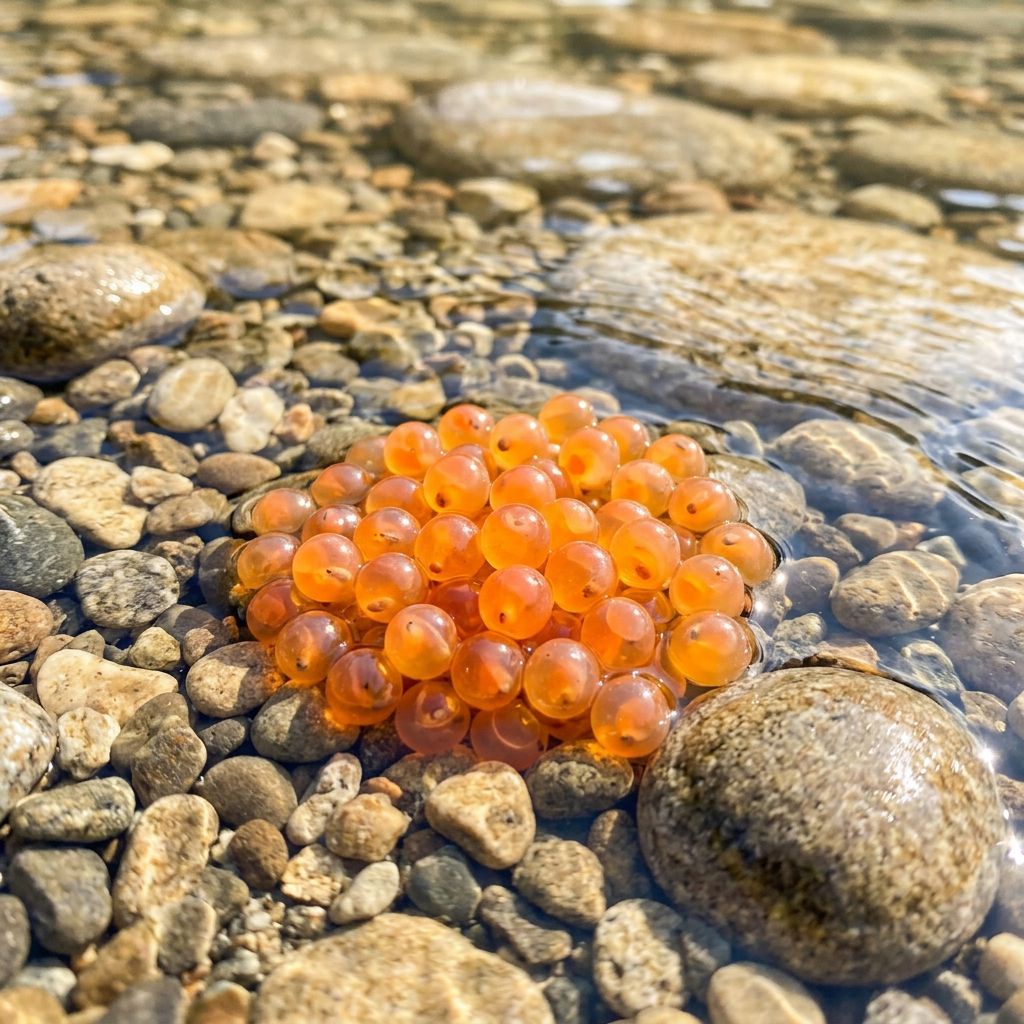
But their wildest transformation happens when they return home to spawn (lay eggs). Some species, like Sockeye salmon, change from shimmering silver to bright fire-engine red with lime-green heads. Male salmon even grow giant, hooked noses and humped backs.
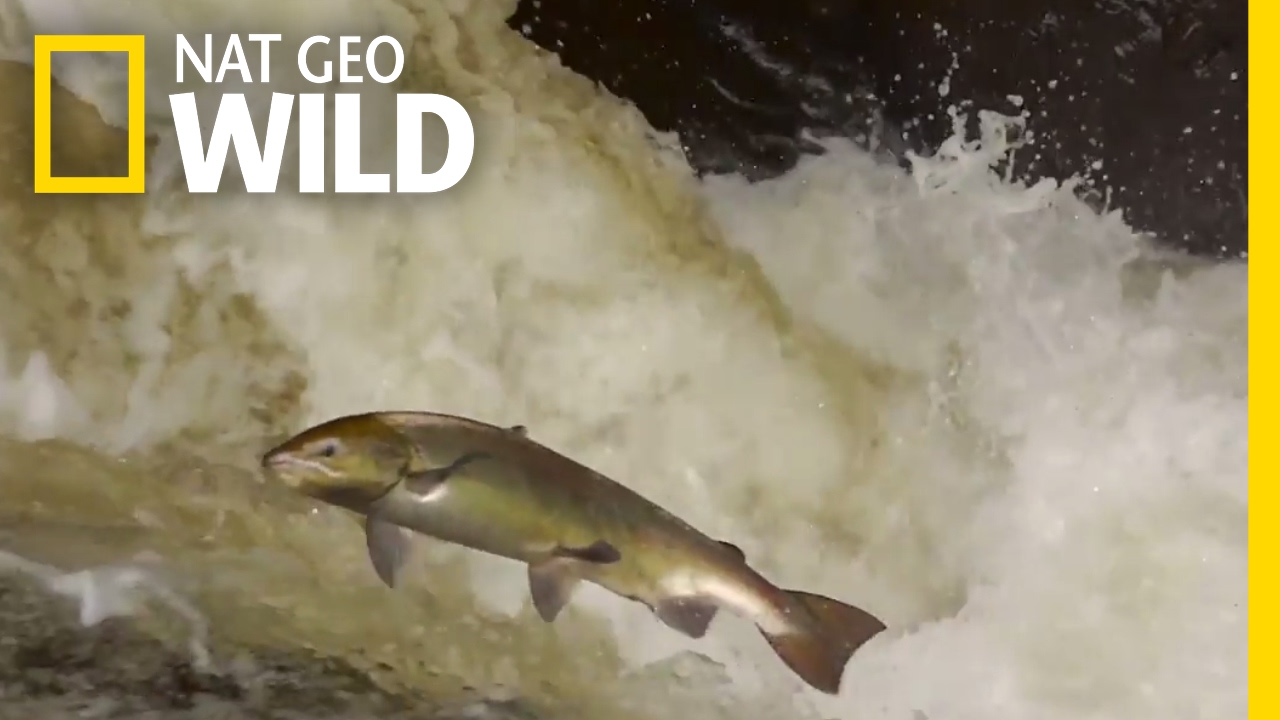
This journey is a brutal, uphill obstacle course. Salmon swim against raging river currents and launch themselves over waterfalls up to 12 feet (3.6 meters) high—all while skipping meals. Once they enter freshwater, they stop eating entirely, running on pure, stored body fat.
Feeding the Forest
After traveling thousands of miles and overcoming waterfalls, salmon lay their eggs and die. But this is not just an ending. Bears, eagles, and wolves feast on the salmon and carry their remains deep into the woods. Scientists have tracked the specific nutrients from salmon bodies inside the leaves of giant evergreen trees miles away from the water. Salmon are the life force that grows the forest.
Read Land Animals & Water Animals here or in the app
Read every story in both shelves right here on the web, or open them in Encyclopedia: Kids Learning with narration you control. The full 1,000+ topics come with the app, covering space, the human body, history and more. Ad-free, ages 5–12.