Lobsters
Lobsters communicate by spraying urine from nozzles under their eyes and taste food with hairs on their legs. They also grow forever and can live to be over 100 years old!

Walking Tongues and Face-Hoses
Lobsters do not experience the world the way humans do. Picture living in a world where your taste buds are on your toes and your nose is on your hands. That is daily life for a lobster. Lobsters use thousands of these microscopic hairs to “smell” and taste prey crawling through the dark mud. When they want to communicate, they do not make sounds. Instead, they spray urine at each other from nozzles located right below their eyes. This chemical message tells other lobsters who is boss, who is looking for a mate, or who is ready for a fight.
The Heavy-Duty Toolbelt
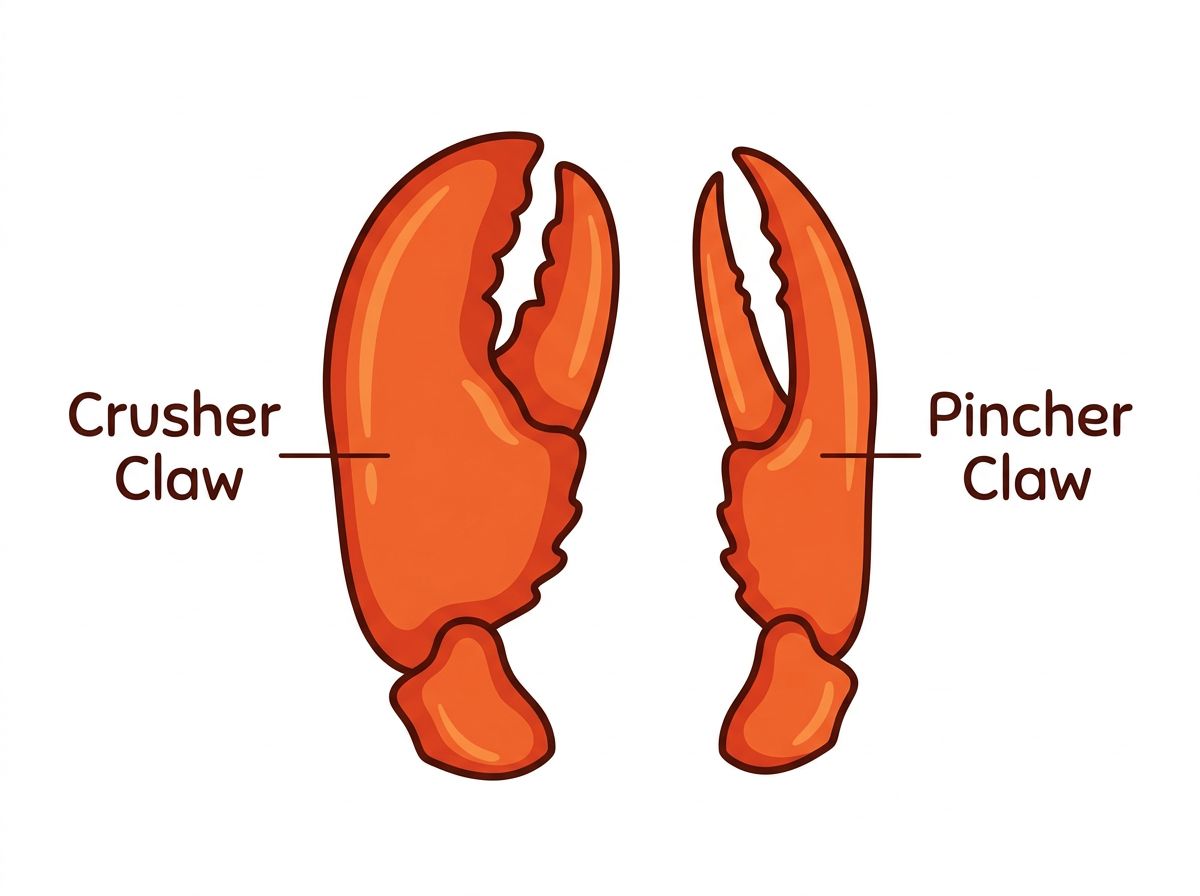
A lobster’s front claws are not twins. They are customized tools. One is the “crusher,” a thick, heavy club designed to smash open hard snail shells and clams. It can squeeze with a force of 100 pounds per square inch—strong enough to break a human finger. The other claw is the “pincher” or “cutter.” This claw is slender, sharp, and lightning-fast, perfect for grabbing speedy fish or slicing up soft prey. If a lobster loses one of these vital tools in a battle with a predator, it can simply grow a brand-new claw the next time it sheds its shell.
The Secret to Long Life
Unlike humans, lobsters do not get weaker or slower as they age. They have an enzyme (a chemical assistant inside their bodies) called telomerase that repairs their DNA constantly. This means their cells do not easily wear down. They keep growing larger and stronger their entire lives, only stopping when they get too big to successfully climb out of their own old shells. The largest lobster ever caught weighed 44 pounds—about the same weight as an average five-year-old kid. Scientists believe some giant lobsters hiding in the deep ocean could be over 100 years old.
Read Land Animals & Water Animals here or in the app
Read every story in both shelves right here on the web, or open them in Encyclopedia: Kids Learning with narration you control. The full 1,000+ topics come with the app, covering space, the human body, history and more. Ad-free, ages 5–12.