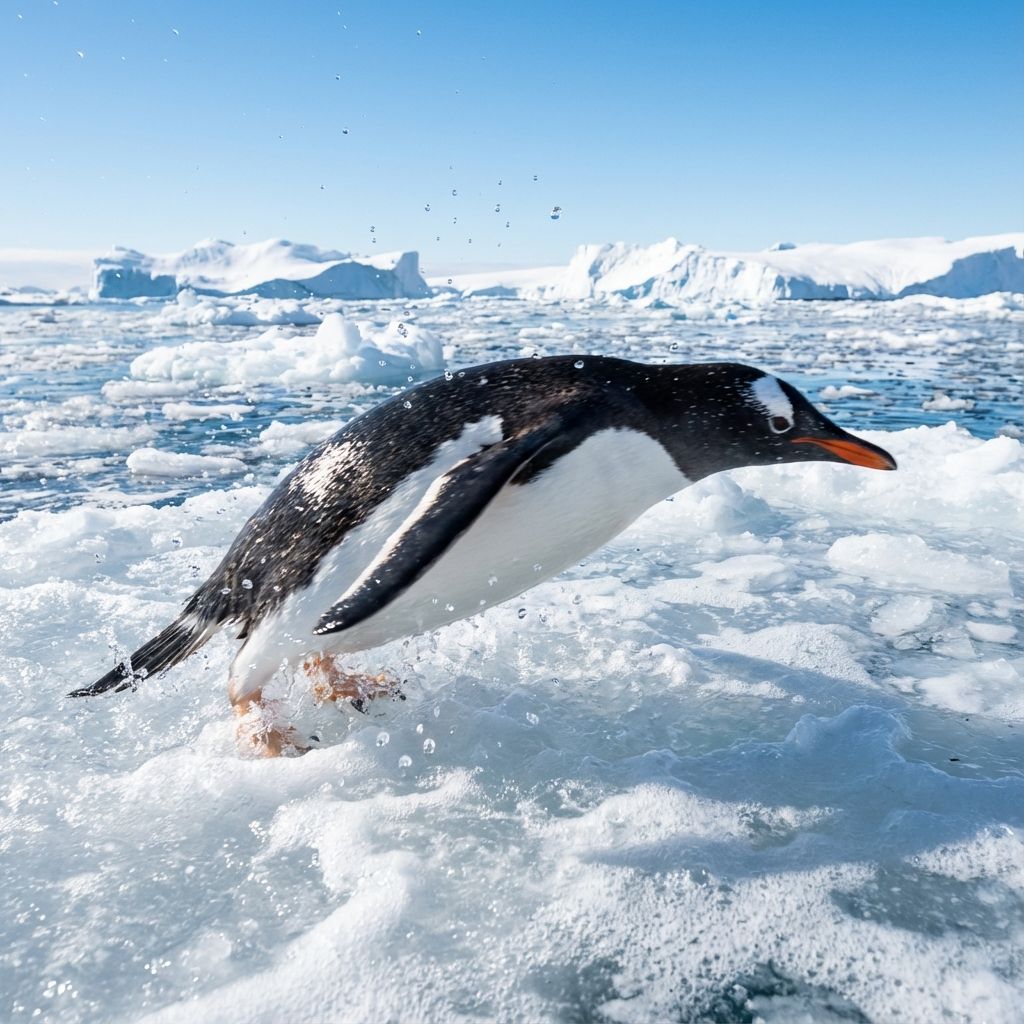
How Emperor Penguins Survive Winter
Emperor penguins survive -76°F by huddling together - the center can reach 98°F! Dads balance eggs on their feet for 2 months without eating while moms hunt at sea.

Emperor penguins are the only animals that breed during the Antarctic winter. While other animals leave to find warmer places, these birds stay on the open ice. They face winds up to 120 miles per hour (193 kilometers per hour) and temperatures that drop to -76°F (-60°C). To stay alive, they use specialized body parts and teamwork.
Built for Freezing Temperatures
The Emperor penguin has the highest feather density of any bird, with about 100 feathers per square inch. These feathers provide excellent insulation (protection against cold). The outer feathers are stiff, oily, and waterproof. They overlap like shingles on a roof to seal out icy water and wind.
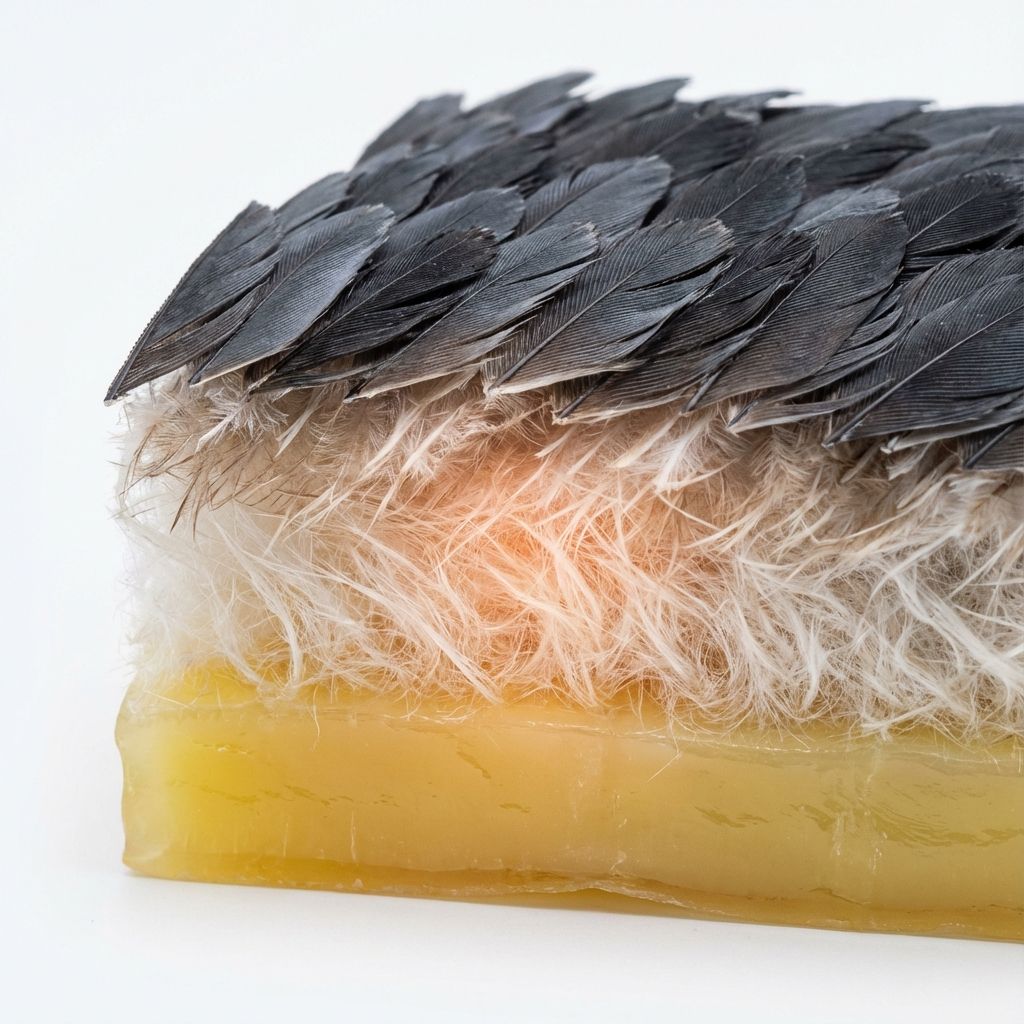
Underneath the outer shell, soft down feathers trap a layer of warm air against the skin. Beneath the skin, a thick layer of fat called blubber adds more warmth and stores energy. This fat layer can be up to 1.2 inches (3 centimeters) thick. The penguin can also tip its toes up to reduce contact with the frozen ice, resting on its heels and stiff tail feathers.
The Great Huddle
Body fat and feathers are not enough to survive the worst winter storms alone. Male penguins, who stay behind to care for the eggs, form a large group called a huddle. Thousands of birds stand shoulder-to-shoulder to share body heat. The temperature inside the center of the huddle can be as warm as 98°F (37°C), even when it is freezing outside.
This formation is not still. The penguins perform a slow, continuous movement. Birds on the cold, windy outside edge slowly shuffle toward the warm center. The warm birds in the middle gradually move toward the outside. This rotation ensures that every bird gets a turn to warm up and no single bird freezes on the edge.
The Brood Pouch
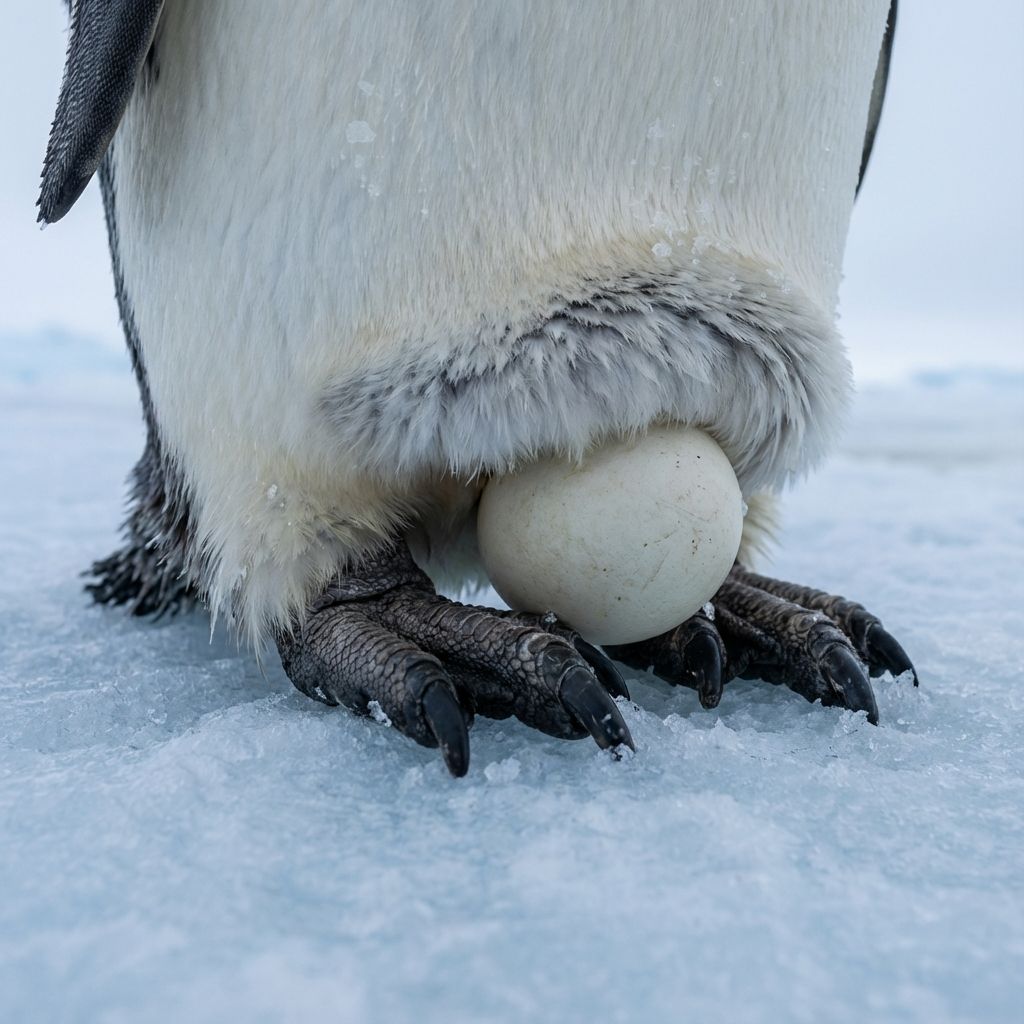
During the winter, the female lays one egg and leaves to hunt at sea. The male takes charge of the egg. He cannot place the egg on the ice, or it will freeze instantly. Instead, he balances the egg on top of his feet. A special fold of featherless skin on his belly, called a brood pouch, hangs over the egg. This pouch acts like a warm blanket, keeping the egg at a cozy temperature while the father stands on the ice for two months without eating.
Read Land Animals & Water Animals here or in the app
Read every story in both shelves right here on the web, or open them in Encyclopedia: Kids Learning with narration you control. The full 1,000+ topics come with the app, covering space, the human body, history and more. Ad-free, ages 5–12.