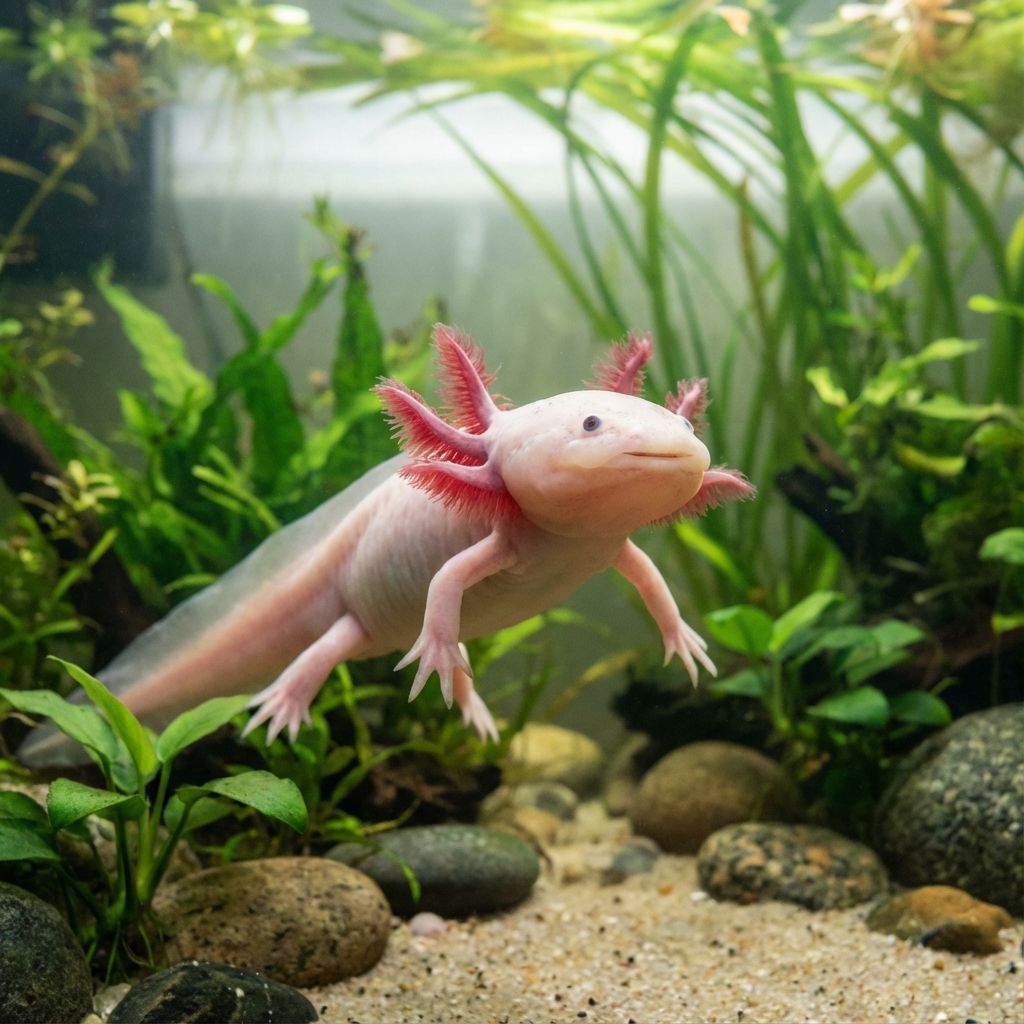
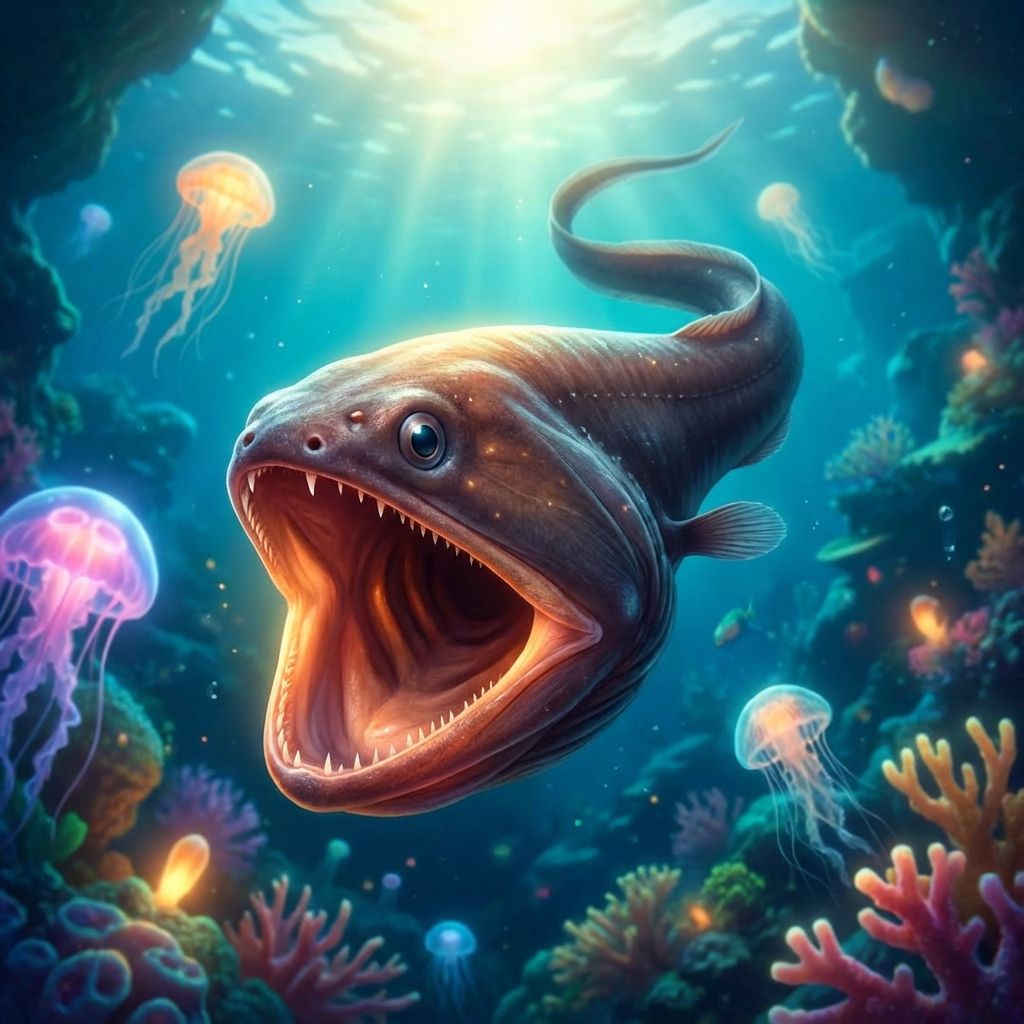
Glass Frogs: The Frogs With See-Through Skin
Glass frogs have see-through bellies - you can watch their hearts beat! Poison dart frogs are the opposite: their bright colors warn predators that one lick could kill.

Drinking Through Skin
Frogs do not drink water with their mouths like dogs or humans. Instead, they absorb moisture directly through their skin. Most frogs have a special area on their belly and the undersides of their thighs called a “drinking patch.” When a frog sits on a wet leaf, in dew, or in a puddle, water soaks straight into its body. This thin, permeable (leaky) skin also allows frogs to breathe. Oxygen passes from the water or air directly into their blood. Because their skin is so open to the outside world, frogs are very sensitive to pollution. If the water is dirty, the chemicals go right into the frog.
See-Through Camouflage
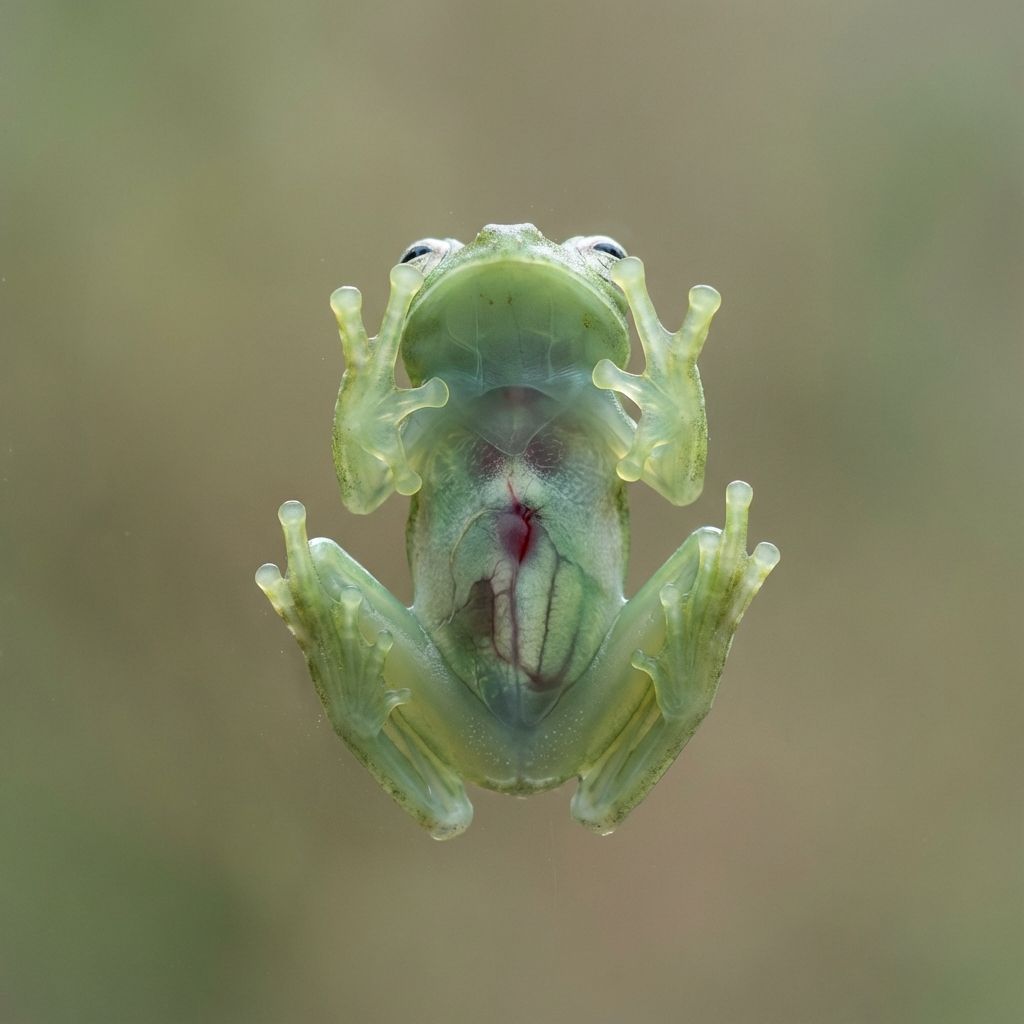
Glass frogs live in the humid rainforests of Central and South America. While their backs are usually lime green to blend in with leaves, the skin on their stomach is transparent (clear). If you look at a glass frog from underneath, you can see its beating heart, liver, and intestines working inside its body. This transparency acts as a powerful type of camouflage. When a glass frog sleeps on the underside of a leaf, its outline becomes blurry. This makes it difficult for hungry birds or snakes to spot the frog’s shape against the light coming through the leaves.
Warning Colors
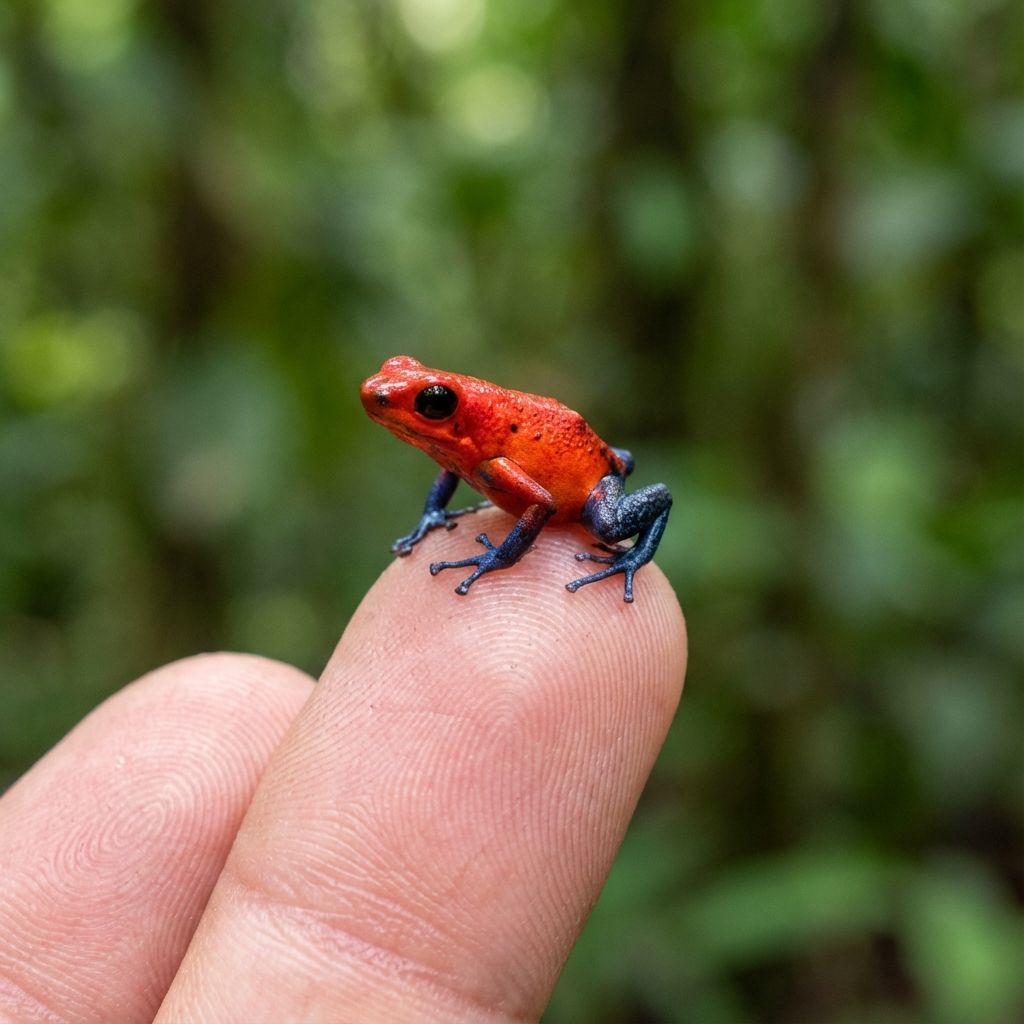
Most animals try to hide, but poison dart frogs want to be seen. These frogs display bright skin patterns in electric blue, yellow, red, or orange. These flashy colors act as a warning sign to predators. The colors signal that the frog tastes terrible and is dangerous to eat. In the wild, poison dart frogs eat specific ants and mites that contain chemicals. The frogs’ bodies turn these chemicals into a strong poison that coats their skin. Interestingly, poison dart frogs raised in zoos do not eat these specific insects, so they do not produce poison.
Read Land Animals & Water Animals here or in the app
Read every story in both shelves right here on the web, or open them in Encyclopedia: Kids Learning with narration you control. The full 1,000+ topics come with the app, covering space, the human body, history and more. Ad-free, ages 5–12.