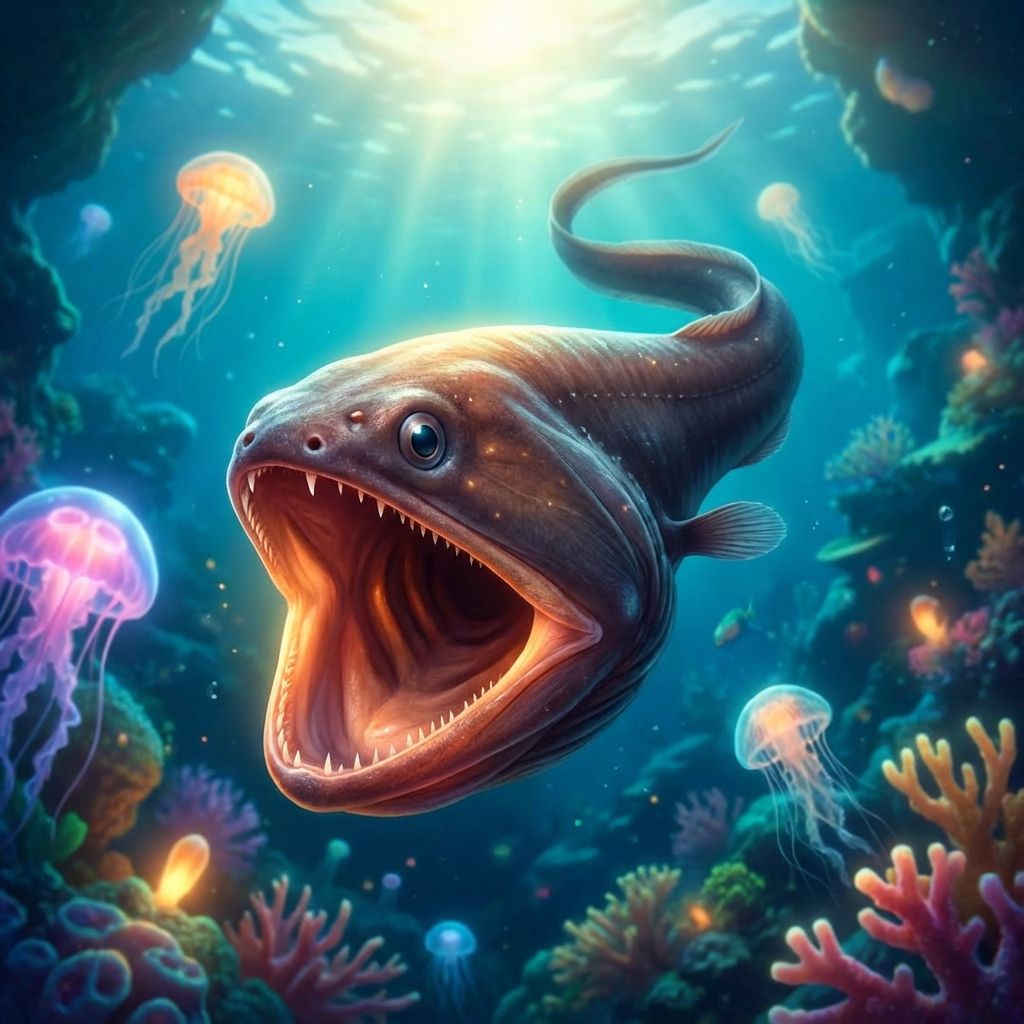
Electric Eels: 860 Volts of Power
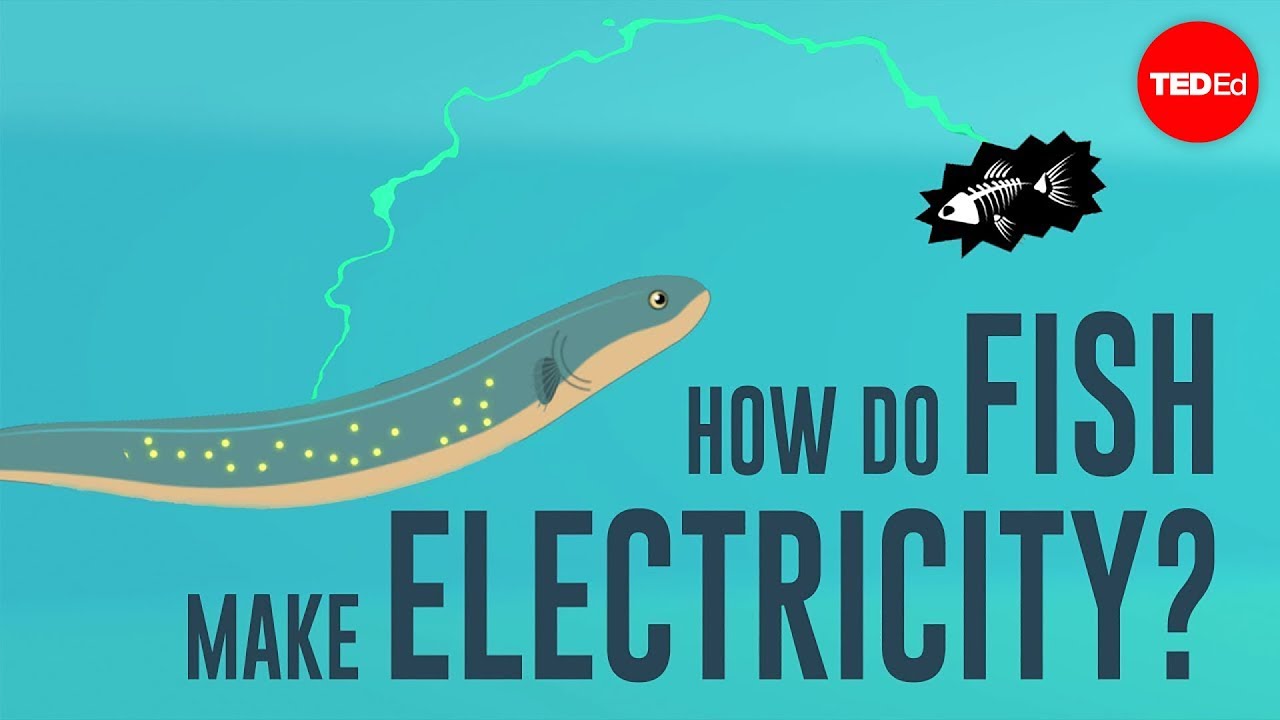
Electric eels aren't actually eels - they're knife fish! They generate 860 volts (stronger than a wall outlet) but don't shock themselves because the current flows away through the water.
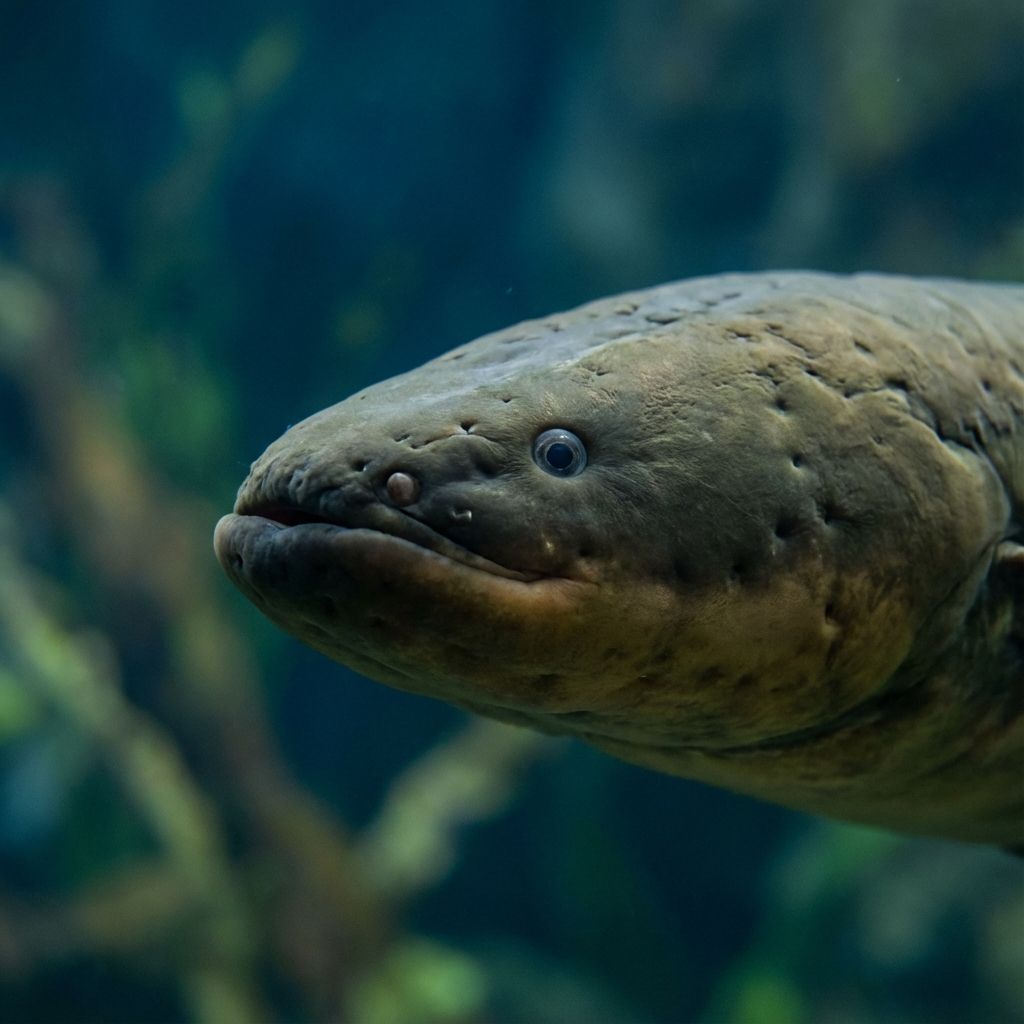
Despite their name, electric eels are not true eels. They are actually a type of knifefish, more closely related to catfish and carp. These long, snake-like animals live in the murky freshwater rivers of the Amazon and Orinoco basins in South America. They have cylindrical bodies that can grow up to 8 feet (2.5 meters) long and weigh as much as 44 pounds (20 kilograms). Unlike most fish, they do not have scales. Their skin is thick, slime-covered, and usually dark gray or brown, which helps them hide in muddy water.
The Living Battery
An electric eel’s body is a biological power plant. Three pairs of special organs take up about 80 percent of its body space. These organs contain thousands of specialized cells called electrocytes. Electrocyte cells work like tiny batteries. When the eel’s brain sends a signal through its nervous system, these cells open ion channels. This allows charged particles to flow through the cell membrane, creating an electrical current.
By stacking thousands of these cells together, the eel can generate a discharge of up to 860 volts. This is stronger than the electricity in a standard wall outlet. The eel uses this high-voltage shock to stun prey or defend itself against large predators like caimans. The shock causes the muscles of the prey to cramp instantly, stopping them from moving.
Navigation and Breathing
Electric eels have poor eyesight, but they do not need to see to find food. They constantly emit a low-voltage hum to scan their surroundings. This process is called electrolocation. It works like radar, allowing the eel to detect solid objects and other animals in the dark, muddy water.
Another unusual feature is how they breathe. While they have gills, the water they live in often has very little oxygen. To survive, electric eels must surface every few minutes to gulp air into their mouths. They get about 80 percent of their oxygen this way.
Protection From the Current
Scientists have studied why electric eels do not electrocute themselves when they attack. Several factors protect the animal:
- Current Flow: Electricity follows the path of least resistance. When an eel is underwater, the current flows out of its skin and into the water quickly, rather than traveling through its own body.
- Insulation: The eel’s vital organs, such as the heart and brain, are located near the head. They are surrounded by layers of fat and connective tissue that act as insulators (protective shields) to block the shock.
- Size: The eel’s large body size helps it handle the charge better than the much smaller fish it hunts.
Read Land Animals & Water Animals here or in the app
Read every story in both shelves right here on the web, or open them in Encyclopedia: Kids Learning with narration you control. The full 1,000+ topics come with the app, covering space, the human body, history and more. Ad-free, ages 5–12.