Dumbo Octopus: Flying Underwater
It has fins like elephant ears and lives deeper than any other octopus. Meet the ghostly drifter of the midnight zone that swallows its prey whole.
Not a Cartoon
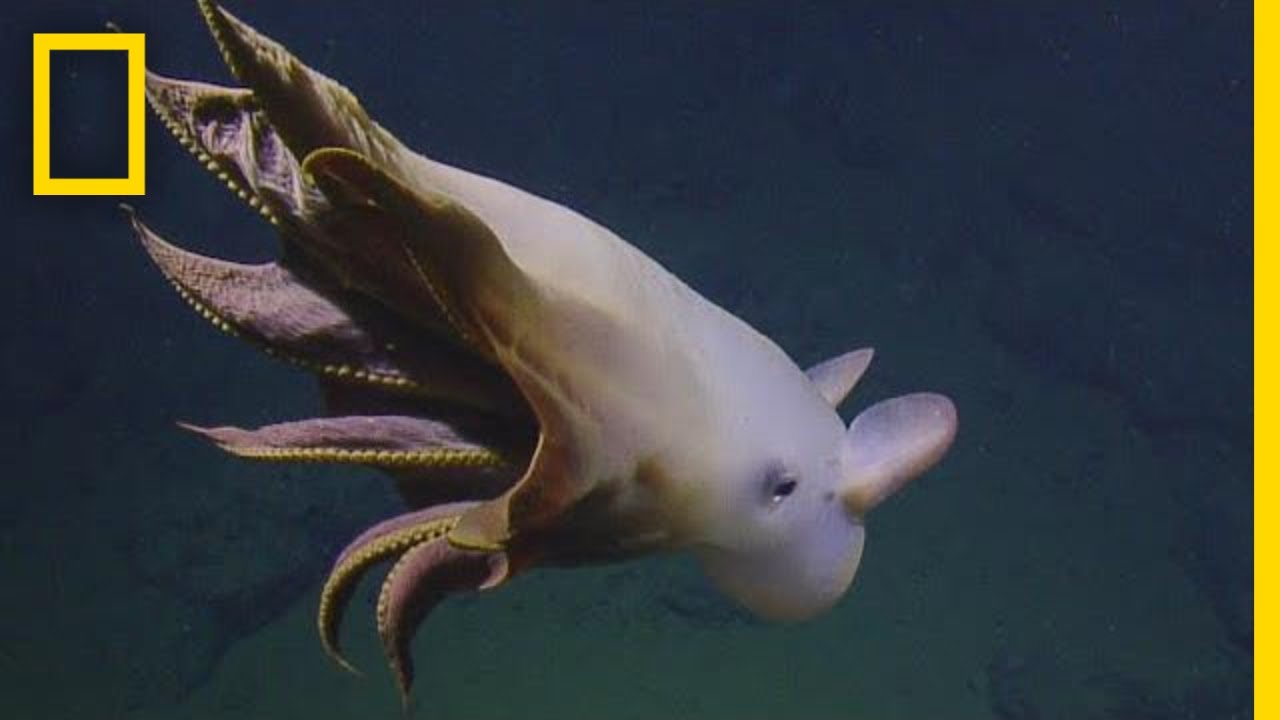
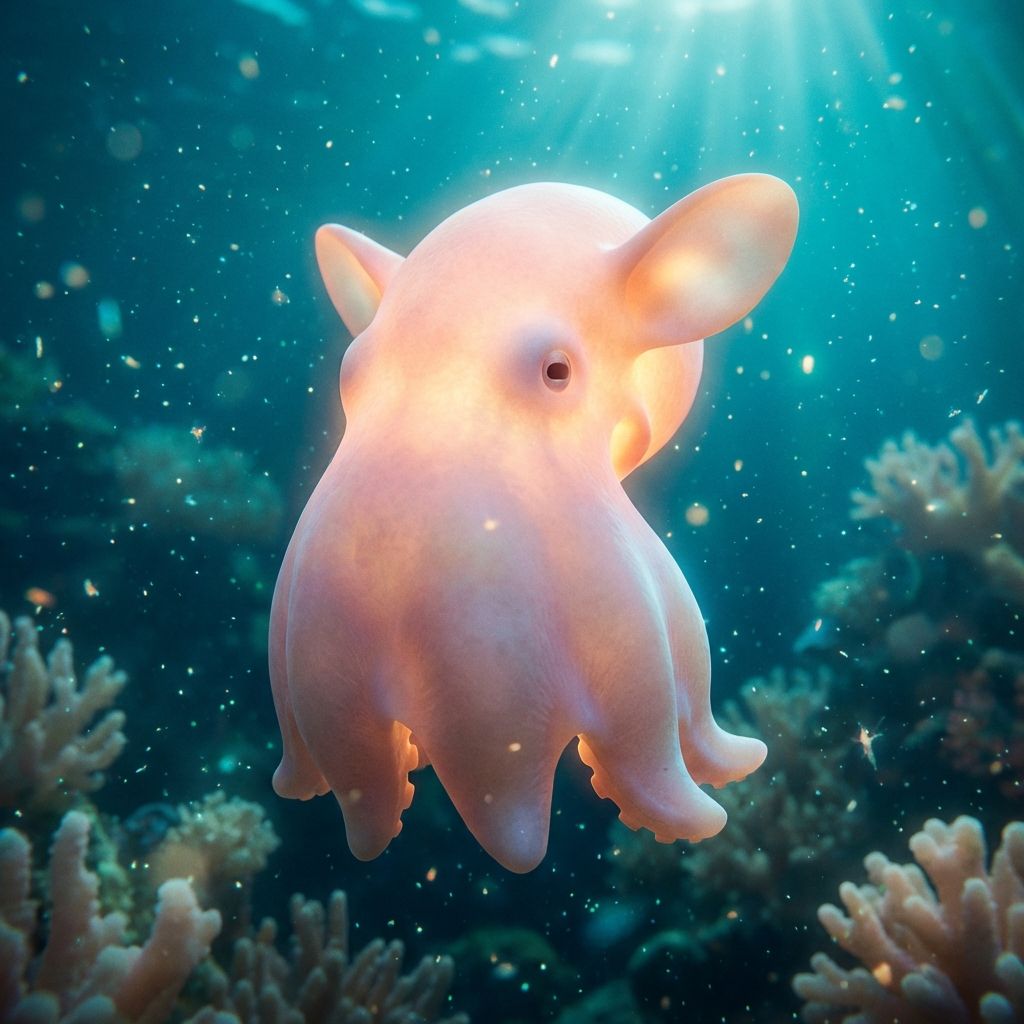
Deep in the ocean, where the water is freezing and sunlight never reaches, a ghostly shape glides through the dark. It has eight arms, but your eyes go straight to the top of its head. There, flapping slowly like a pair of oversized wings, are two large fins. They look exactly like the ears of a famous flying elephant, earning this creature the nickname “Dumbo.”
But this isn’t a movie character. It is the deepest-living octopus on Earth, and those “ears” are its secret to survival.
The Deepest Diver
Most octopuses prefer coral reefs or shallow coastal waters. The Dumbo octopus goes where few explorers dare—the abyss. These squishy explorers have been spotted over 7,000 meters (23,000 feet) down. That is deeper than 16 Empire State Buildings stacked upside down.
At this depth, the water pressure is crushing. It would flatten a car instantly. The Dumbo octopus survives because its body is soft and jelly-like. It has no bones or air pockets to get crushed. Instead of fighting the heavy water, it simply becomes part of it.
Flying Fins
Those famous ear-like fins are actually powerful swimming tools. While other octopuses zoom around using jet propulsion (shooting water out of a tube), the Dumbo octopus prefers to hover.
By slowly flapping its fins, it can steer, float, and crawl just above the ocean floor without using much energy. Energy is hard to find in the deep sea, so every movement counts. It looks less like swimming and more like flying in slow motion.
The No-Chew Diet
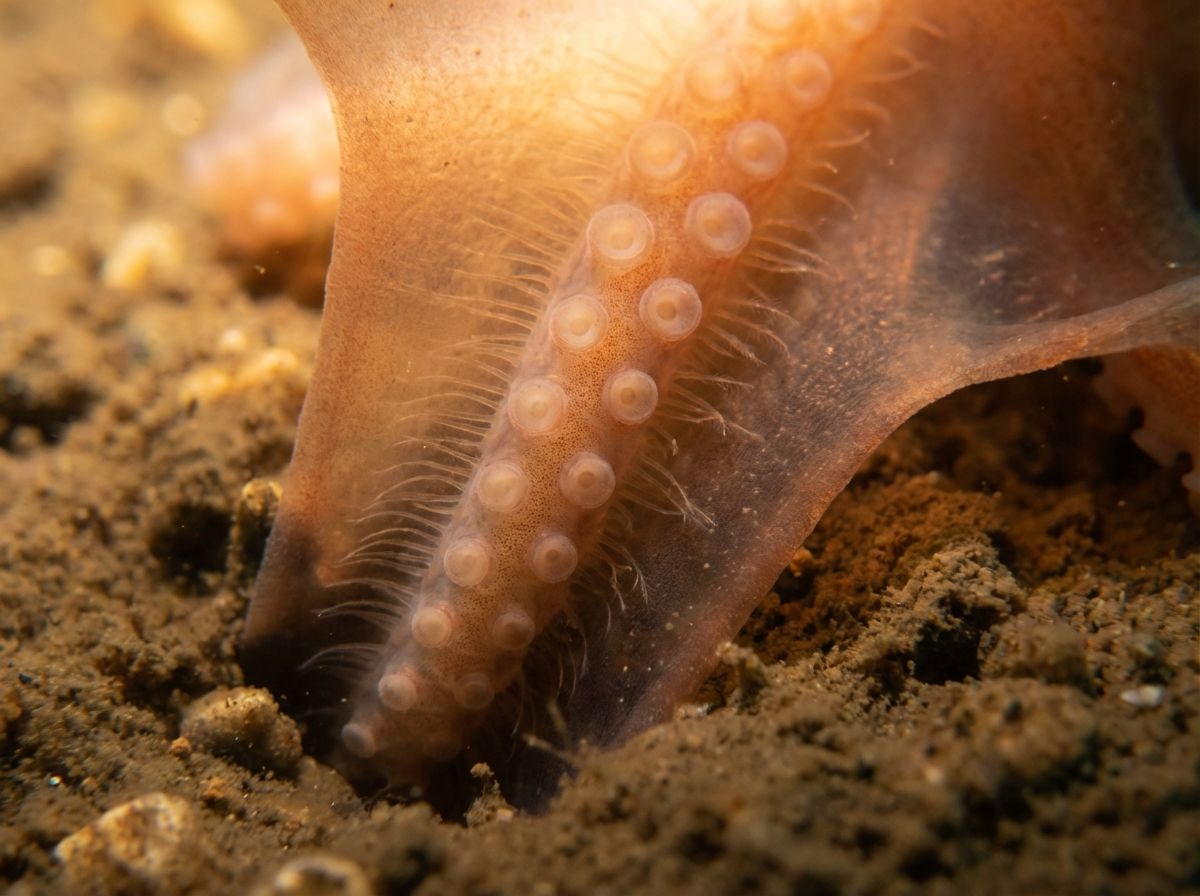
If you look closely at the Dumbo’s arms, you won’t find the long rows of sticky suckers used by its shallow-water cousins. Instead, it has small hair-like strands called cirri. In the dark, the octopus uses these sensitive strands to feel for food in the mud.
When it finds a worm or a copepod (a tiny shrimp-like creature), it doesn’t tear it apart. Most octopuses have sharp beaks to rip up crabs, but the Dumbo octopus usually swallows its prey in one giant gulp. It then creates a balloon of webbed skin around the food to keep it from escaping before digestion begins.
Missing Ink
Because it lives in total darkness, the Dumbo octopus lacks a classic defense trick: ink. Shooting a cloud of black ink is useless when nobody can see it anyway. Instead, this silent drifter relies on its small size—usually no bigger than a guinea pig—and its ability to change color to vanish into the deep-sea gloom.
Read Land Animals & Water Animals here or in the app
Read every story in both shelves right here on the web, or open them in Encyclopedia: Kids Learning with narration you control. The full 1,000+ topics come with the app, covering space, the human body, history and more. Ad-free, ages 5–12.