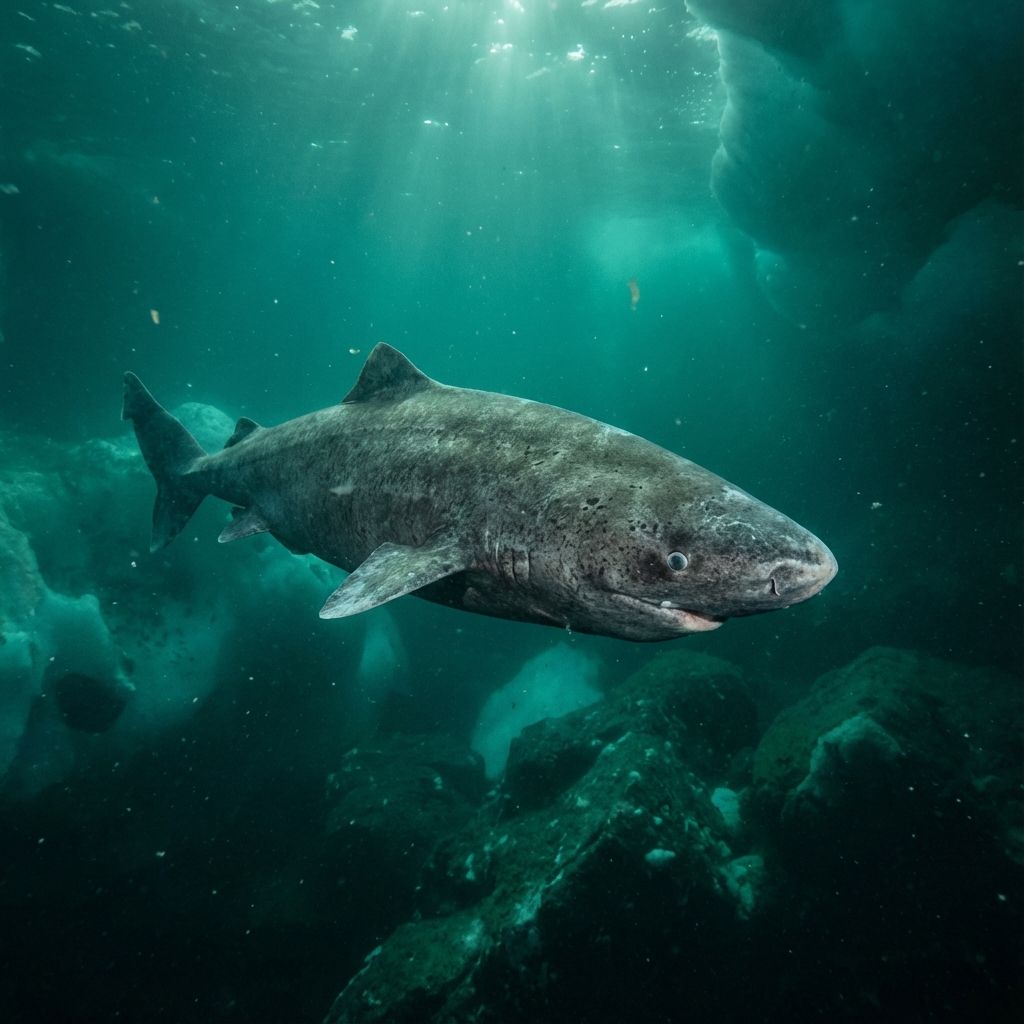
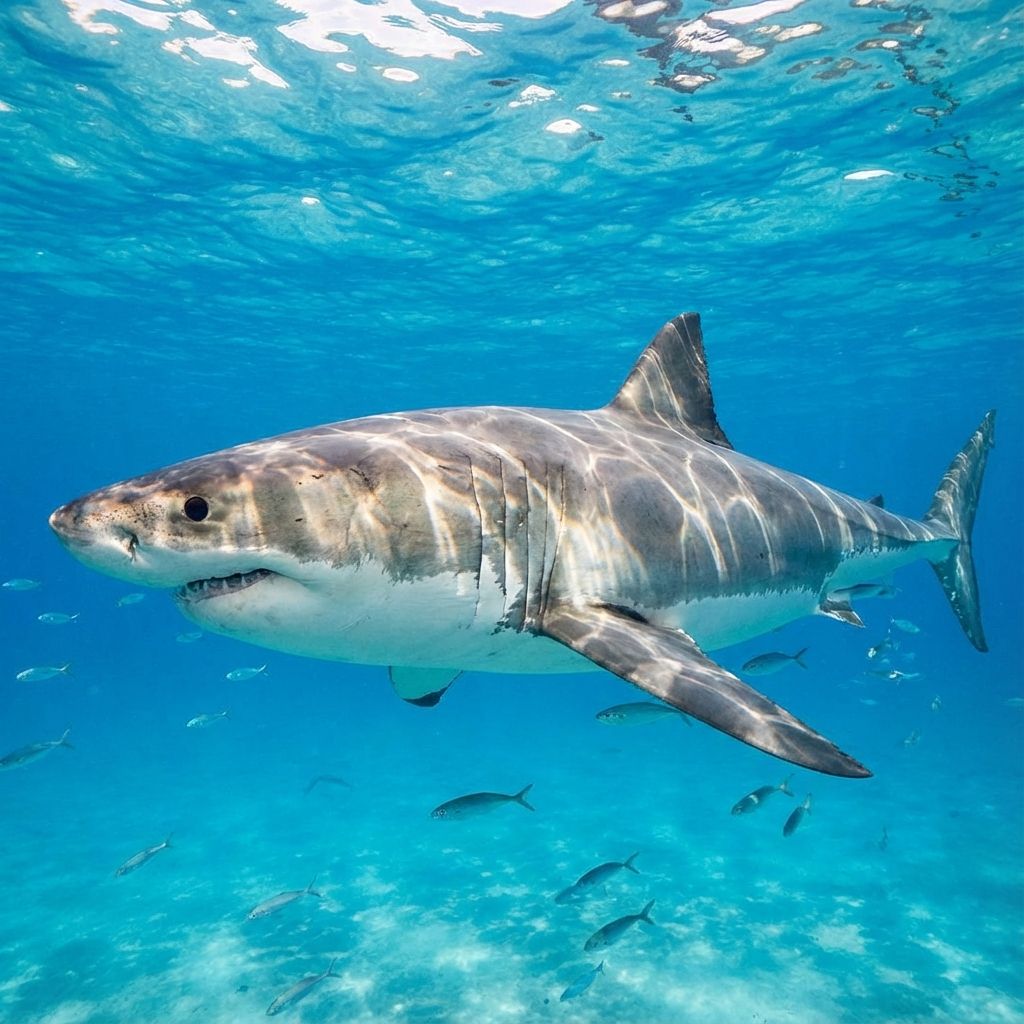
Can Sharks Smell a Drop of Blood Miles Away?
Sharks can smell one drop of blood in a swimming pool! Two-thirds of their brain is dedicated to smell, and they zigzag toward prey by comparing scents in each nostril.

Sharks possess an incredible sense of smell. They use this ability to find food, mates, and safe areas in the vast ocean. While the idea that a shark can smell a single drop of blood from miles away is a popular myth, the truth is still impressive. Most sharks can detect blood at one part per million. This is roughly the same as putting one drop of blood into a large backyard swimming pool.
How Sharks Smell
Unlike humans, sharks do not use their noses to breathe. They have two openings under their snouts called nares (nostrils). As the shark swims, water flows into the nares and over sensitive skin folds inside. These folds contain special cells that detect chemicals in the water.
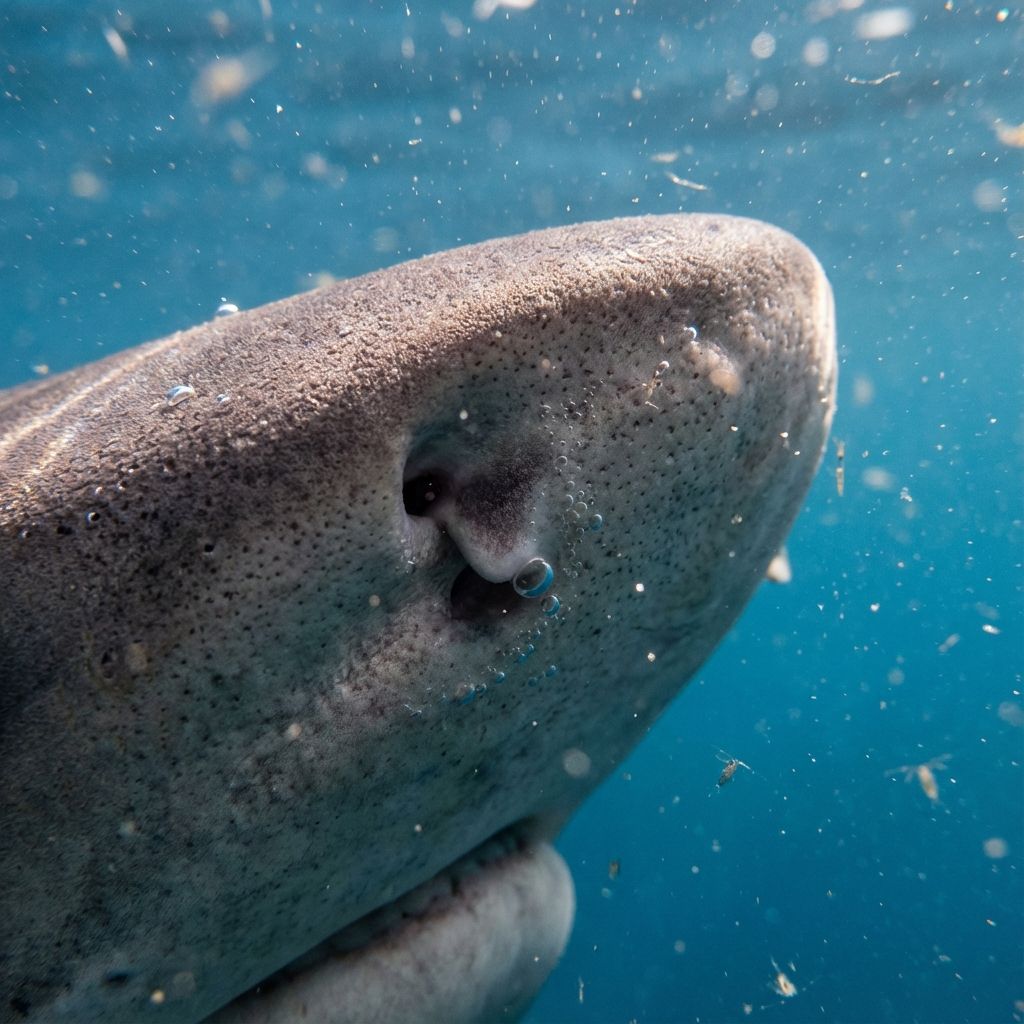
The information travels immediately to the brain. In some sharks, the olfactory bulb (the part of the brain that handles smell) takes up two-thirds of the total brain weight. This allows them to identify very faint chemical signals in the water.
Tracking the Source
A shark cannot smell something instantly if it is far away. The scent must travel physically through the water to reach the shark. Ocean currents carry smells just like the wind carries smoke. If the current is moving quickly, the smell travels faster. If the water is still, the scent takes longer to spread.
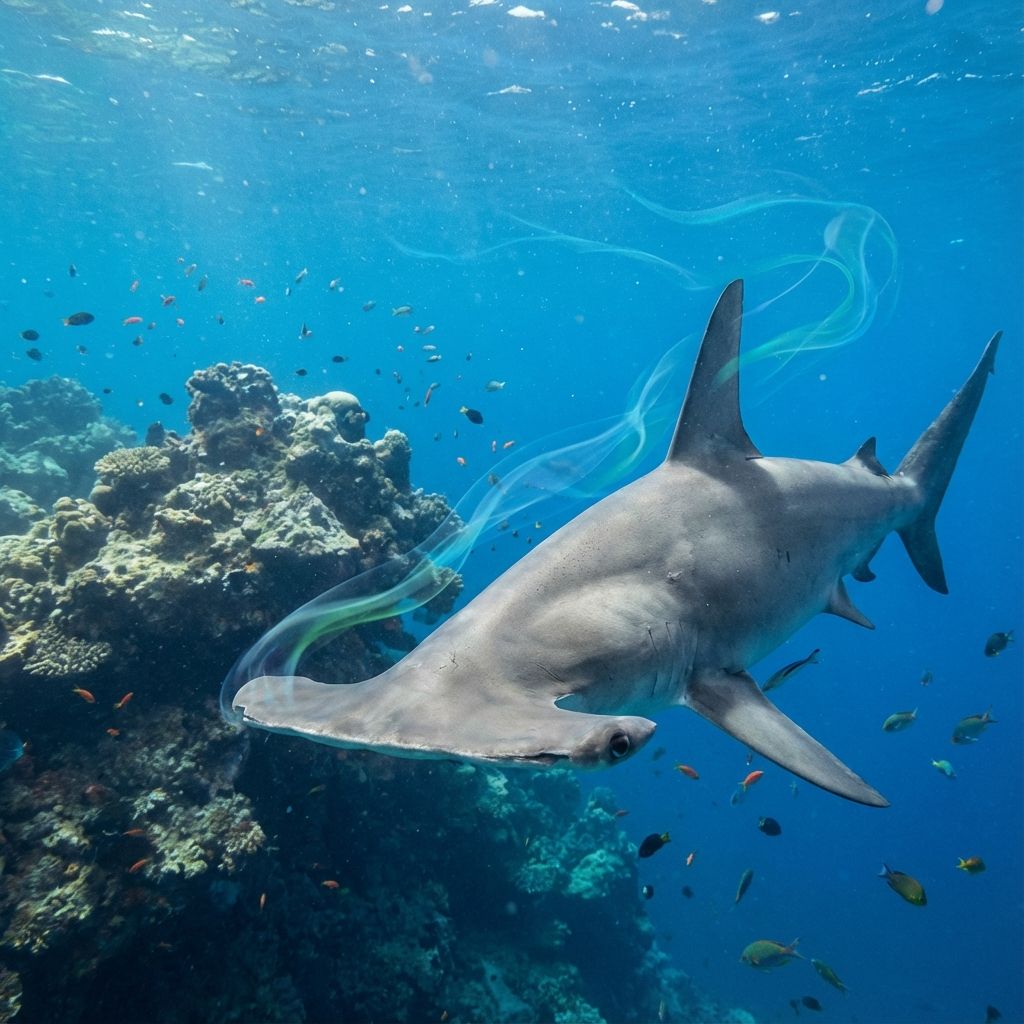
Once a shark detects a scent, it swims toward the source. It compares the strength of the smell entering its left nostril versus its right nostril. If the smell is stronger on the left, the shark turns left. This causes the shark to swim in a zigzag pattern as it follows the invisible trail through the water currents.
Combining Senses
Smell is often the first sense a shark uses to find prey from a distance. As it gets closer, it uses hearing and sight. Finally, at close range, it uses special pores on its snout called ampullae of Lorenzini. These pores detect the tiny electrical signals made by the heartbeat and muscle movements of other animals.
Read Land Animals & Water Animals here or in the app
Read every story in both shelves right here on the web, or open them in Encyclopedia: Kids Learning with narration you control. The full 1,000+ topics come with the app, covering space, the human body, history and more. Ad-free, ages 5–12.