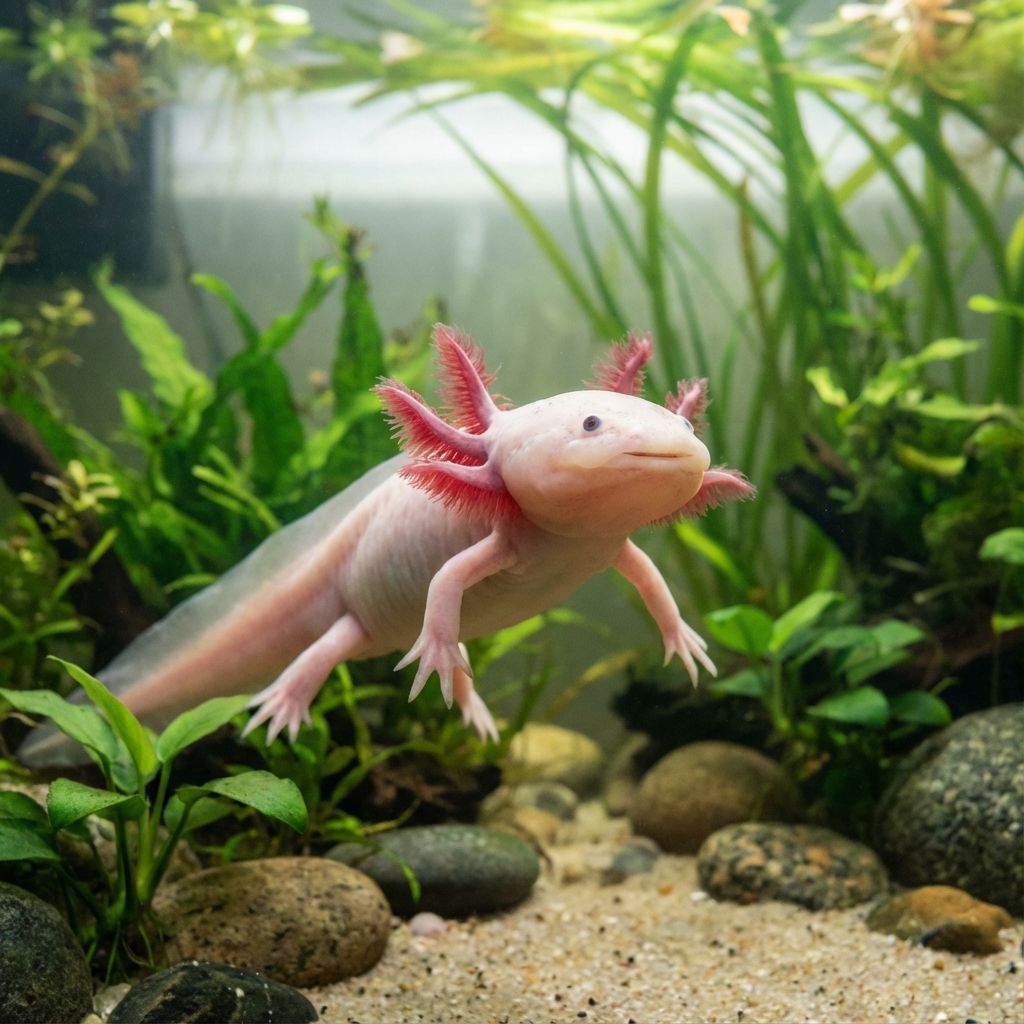
Can Salamanders Regrow Lost Limbs?
Salamanders can regrow perfect new legs, tails, even parts of their heart! Their cells 'forget' what they are and rebuild the missing part from scratch - no scar, no problem.

The Champions of Regrowth
Yes, salamanders are capable of amazing feats of healing. While humans can only heal cuts or mend broken bones, salamanders can grow back entire body parts. If a salamander loses a leg, a tail, or even parts of its heart or eye, it can build a perfect replacement. This ability is found in all salamander species, including newts and axolotls. Unlike some animals that only regenerate when they are young, salamanders keep this power for their entire lives.
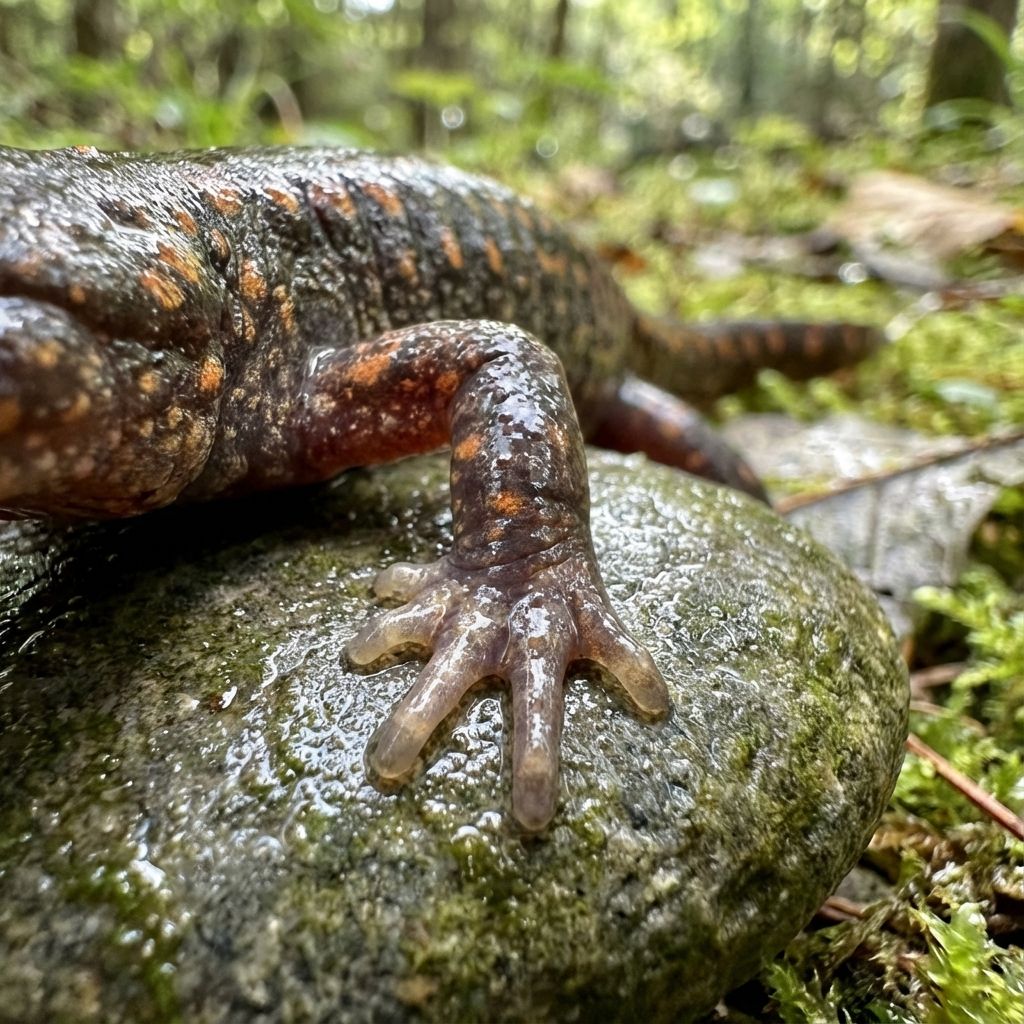
How Regeneration Works
The process begins almost immediately after an injury. A special layer of skin cells quickly covers the wound to protect it. Underneath this layer, a bump called a “blastema” forms. The blastema is made of cells that have gone back to a raw state. Instead of staying as bone or muscle cells, they act like the cells in a developing egg.
Over the next few weeks, the blastema grows and the cells decide what they need to become. They turn into new bone, muscle, nerves, and skin in the exact right arrangement. Eventually, the new limb looks and works exactly like the lost one, often leaving no scar at all.
Survival Tactics
This ability is crucial for survival in the wild. Salamanders have many predators, including fish, birds, and snakes. Some species can drop their tails on purpose if grabbed by an attacker. The tail wiggles on the ground to distract the predator while the salamander escapes. This defense is called autotomy. Although growing a new limb takes a lot of energy, it allows the salamander to survive and eventually return to full health.
Read Land Animals & Water Animals here or in the app
Read every story in both shelves right here on the web, or open them in Encyclopedia: Kids Learning with narration you control. The full 1,000+ topics come with the app, covering space, the human body, history and more. Ad-free, ages 5–12.