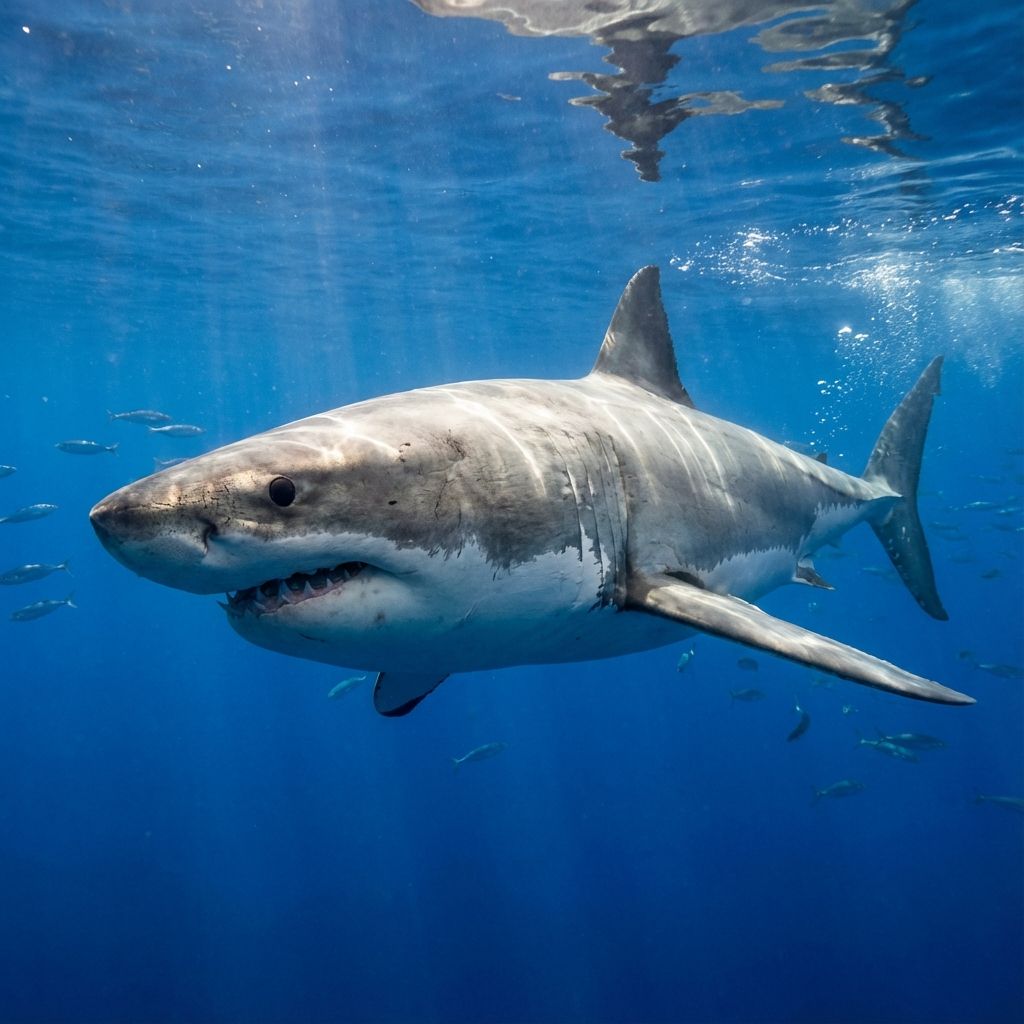
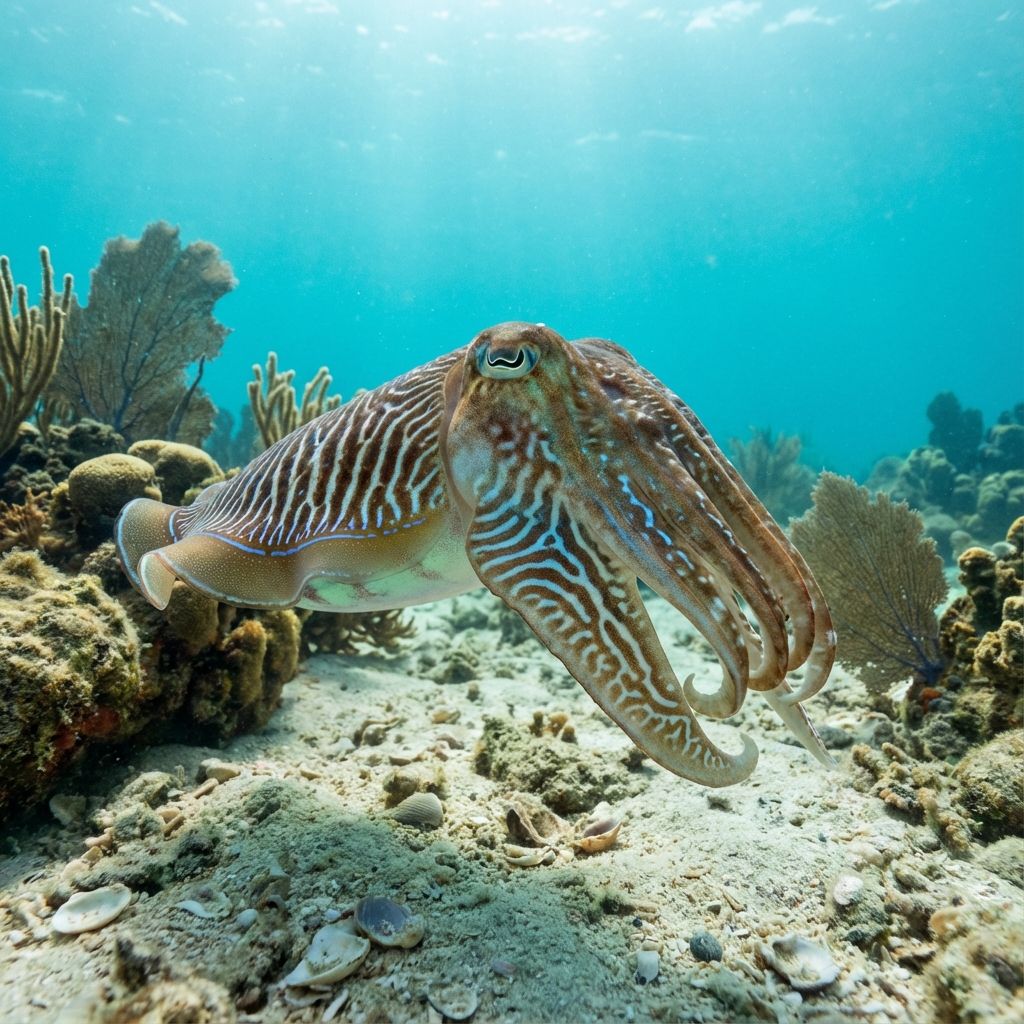
Box Jellyfish: One Drop Kills 20,000 Mice
One box jellyfish has enough venom to kill 60 humans! Unlike other jellyfish, they have 24 actual eyes and can swim on purpose instead of just drifting.
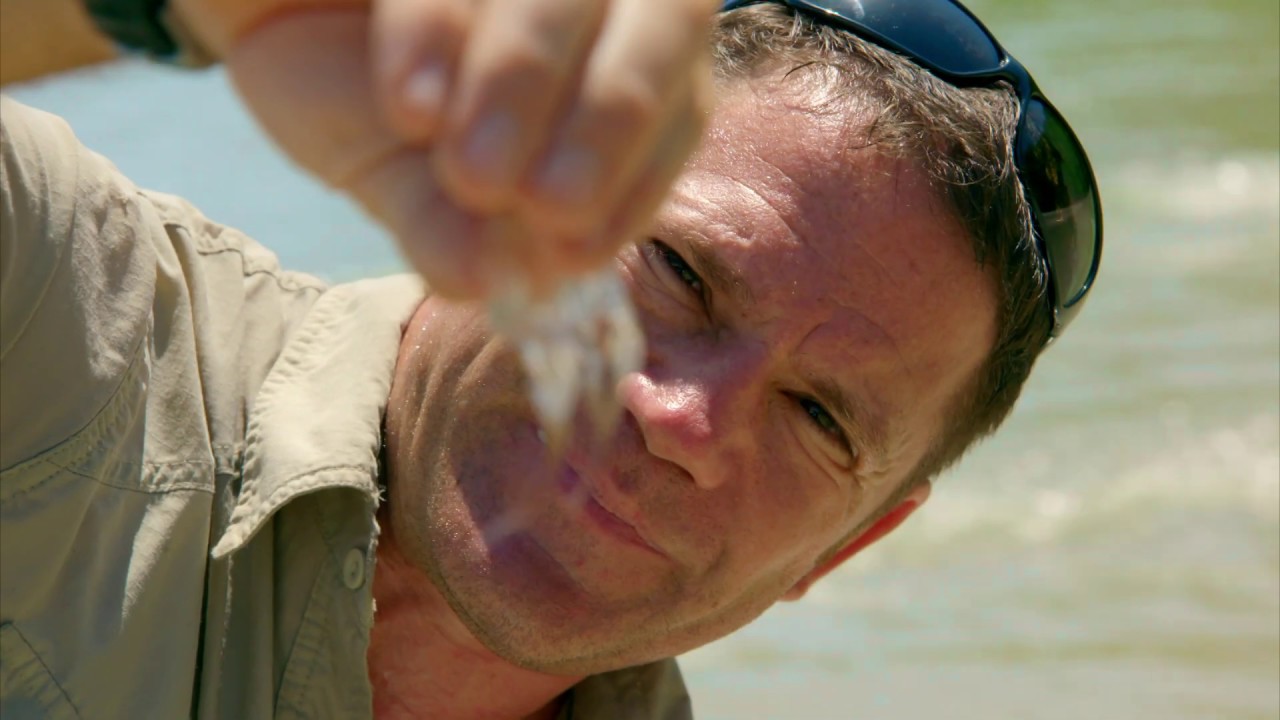
The box jellyfish is widely considered the most venomous marine animal on Earth. It gets its name from the distinct cube or box shape of its bell (body). Unlike common jellyfish that drift aimlessly with ocean currents, box jellyfish are active swimmers. They live primarily in the warm coastal waters of Northern Australia and the Indo-Pacific region.
Stinging Tentacles
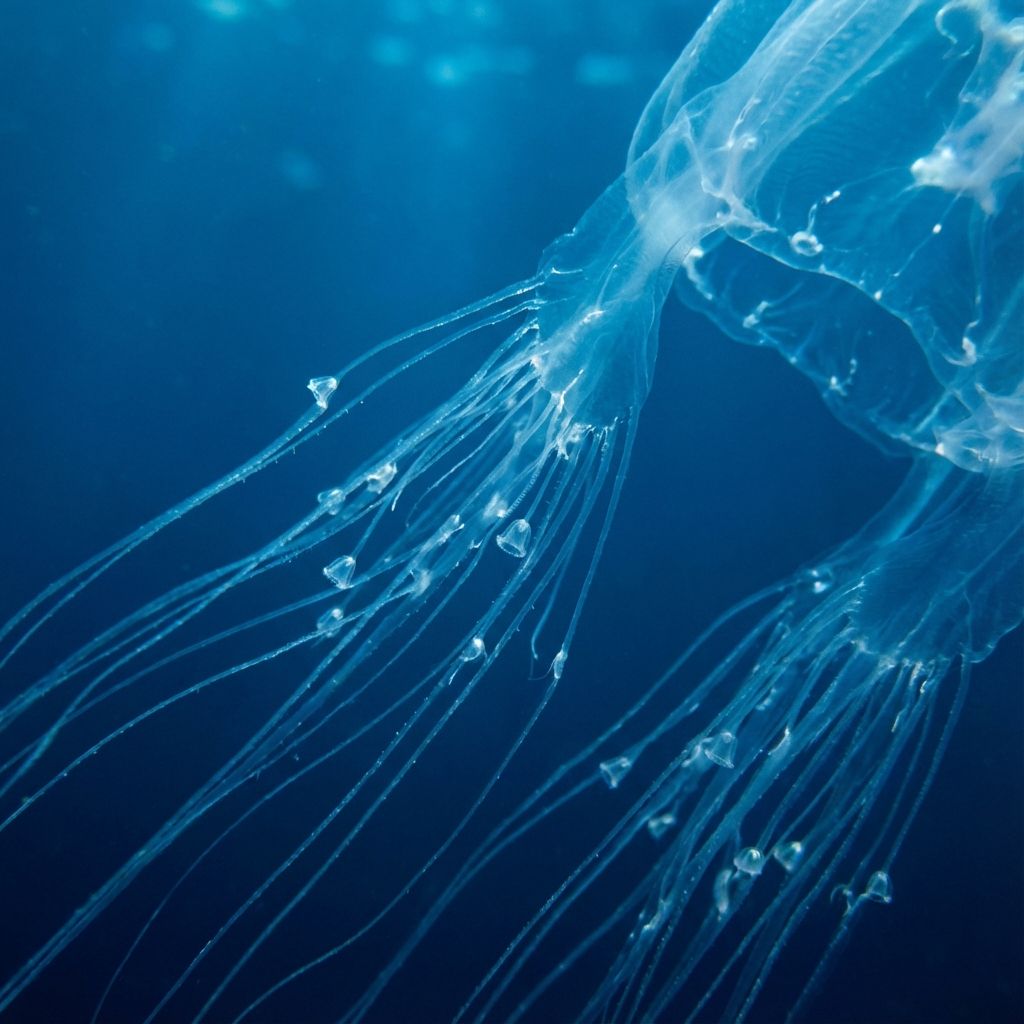 Bundles of pale blue tentacles hang from the corners of the box-shaped body. An adult may have up to 60 tentacles, each growing as long as 10 feet (3 meters). These tentacles are covered in millions of microscopic stinging cells called nematocysts. When a fish or human touches a tentacle, these cells act like tiny, pressurized springs. They fire microscopic darts into the skin at speeds faster than a blink of an eye to deliver their payload.
Potency and Effects
The venom carried by the Australian box jellyfish is incredibly powerful. Scientists estimate that the venom found in a single jellyfish is enough to kill 60 adult humans. To put this in perspective, a single drop has enough toxicity to end the lives of 20,000 mice.
The toxin is complex and attacks three areas at once: the heart, the nervous system, and skin cells. For small prey like shrimp and fish, the shock is immediate. This stops the prey from struggling, which prevents the delicate jellyfish from getting torn. For humans, the sting causes intense pain and marks the skin with whip-like red welts.
Vision and Movement
Box jellyfish are unique among jellies because they have a sophisticated visual system. They possess 24 eyes grouped in clusters called rhopalia on the sides of their bell. Some of these eyes are simple light sensors, but others have lenses and corneas, similar to human eyes. This vision allows them to see obstacles and navigate around mangrove roots while hunting, rather than just bumping into things blindly.
Read Land Animals & Water Animals here or in the app
Read every story in both shelves right here on the web, or open them in Encyclopedia: Kids Learning with narration you control. The full 1,000+ topics come with the app, covering space, the human body, history and more. Ad-free, ages 5–12.